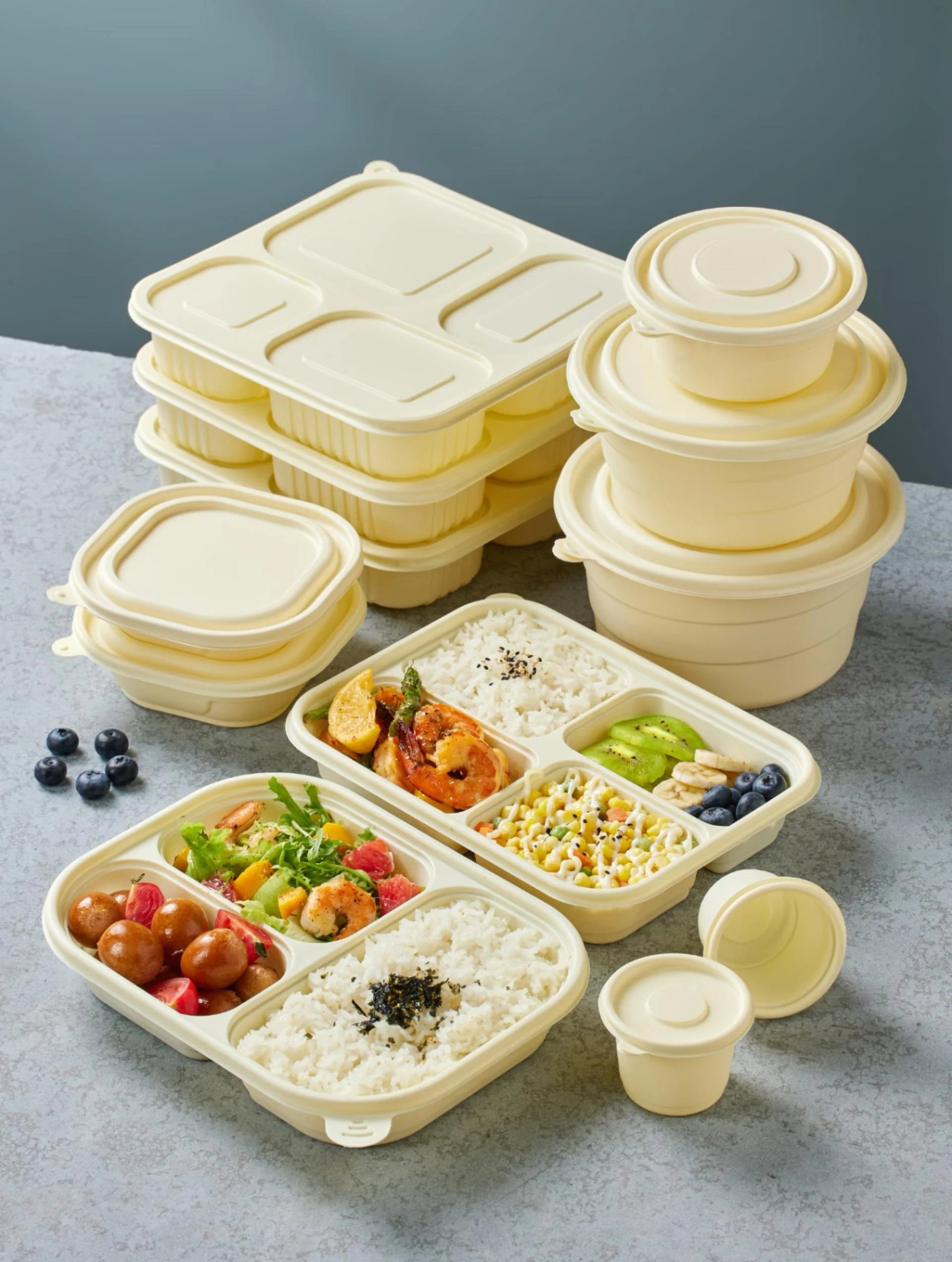

In 2025, sustainable foodservice isn’t just a buzzword—it’s a business requirement. Whether you run a catering business, a delivery-first kitchen, or a coffee shop that prides itself on environmental responsibility, your packaging choices speak louder than your brand slogan.
Amid the wide range of biodegradable options, cornstarch tableware is quickly gaining ground. It’s plant-based, practical, cost-effective, and increasingly regulatory-compliant—a true triple threat in the food packaging industry.
So what makes this biopolymer-based solution the new favorite for eco-conscious companies around the world?
What Exactly Is Cornstarch Tableware?
Cornstarch tableware is made from PLA (polylactic acid), a polymer derived from fermented cornstarch or other starch-rich crops like cassava and sugar beets. The result is a biodegradable and compostable plastic alternative that behaves like traditional plastic—but breaks down in industrial composting facilities within 3 to 6 months.
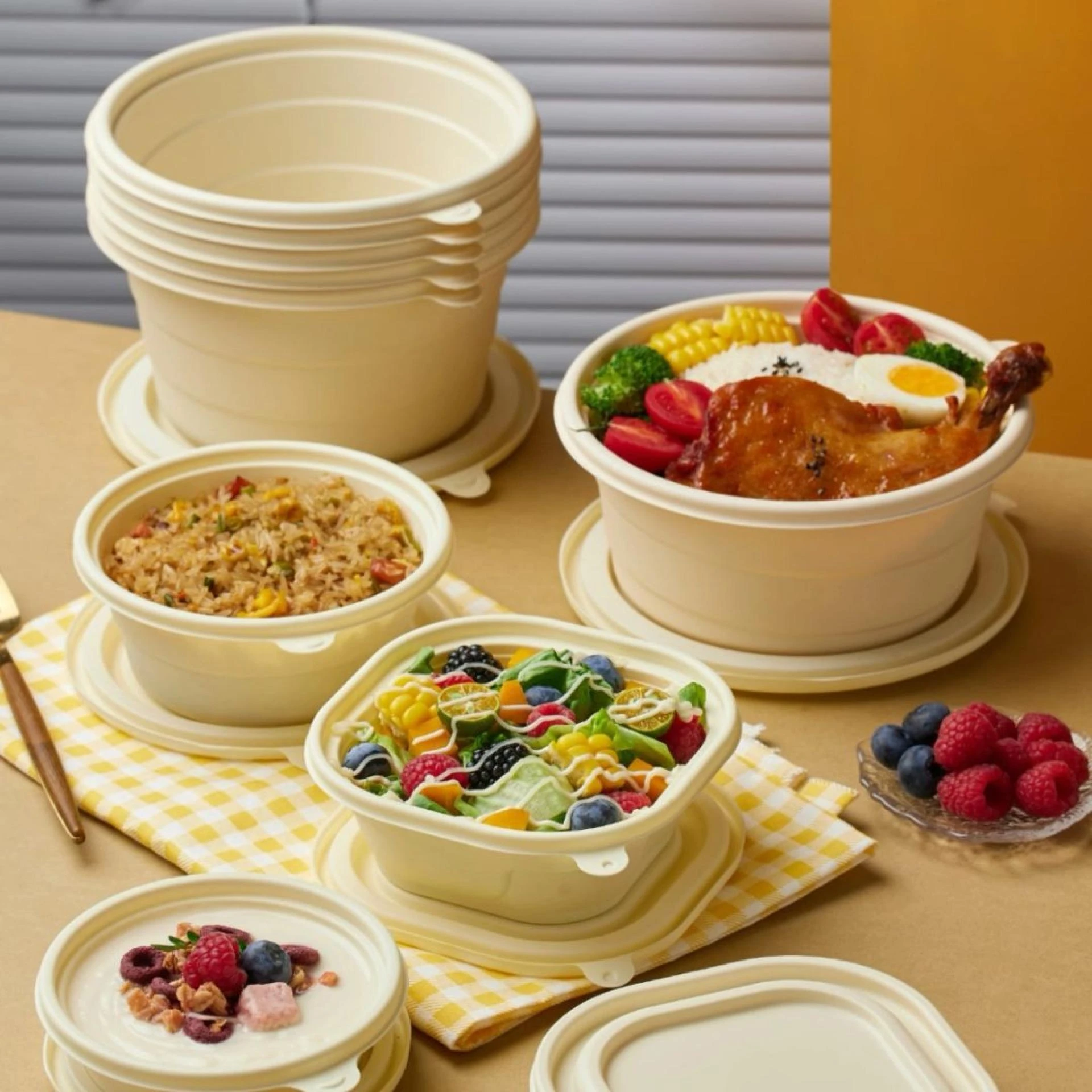
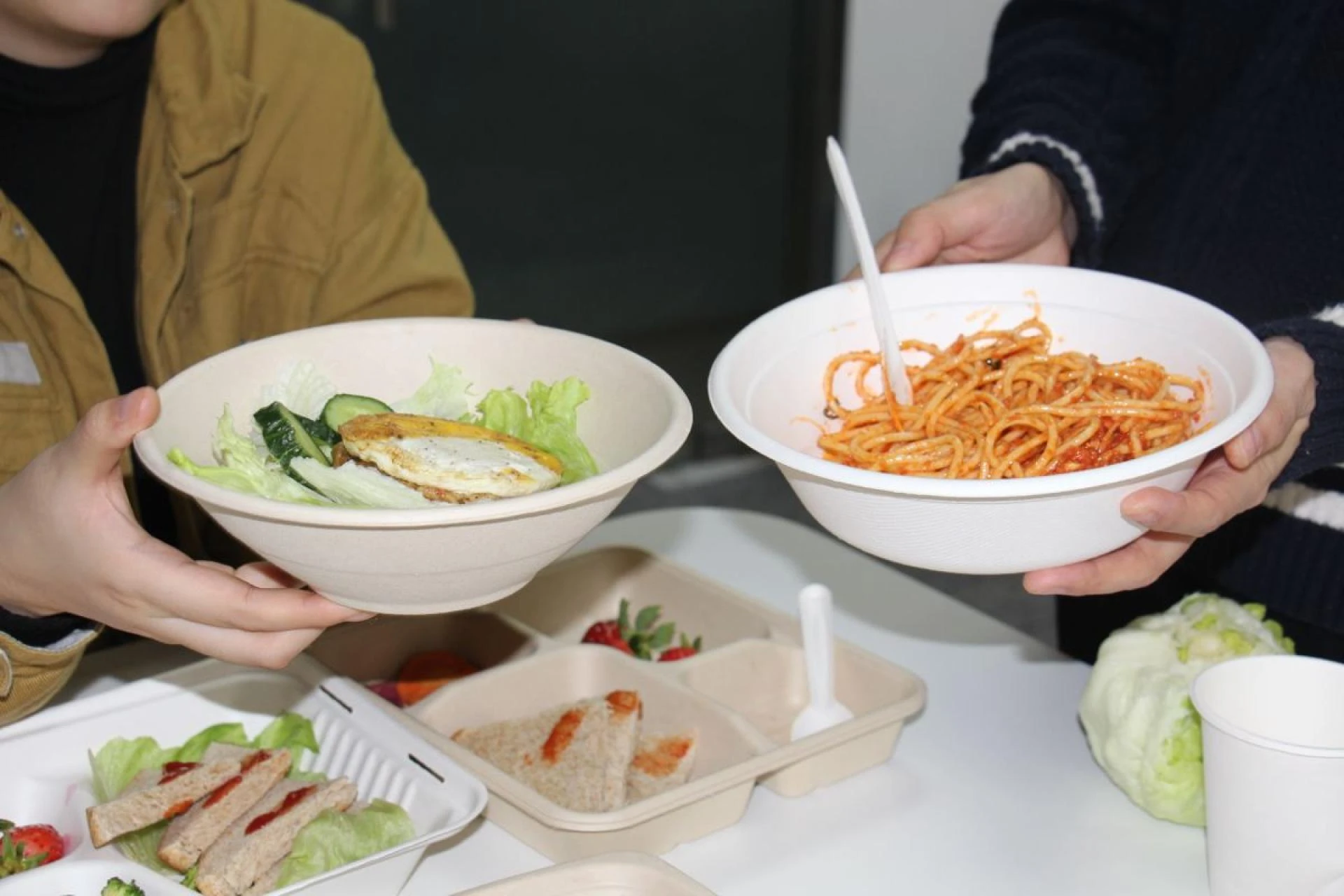
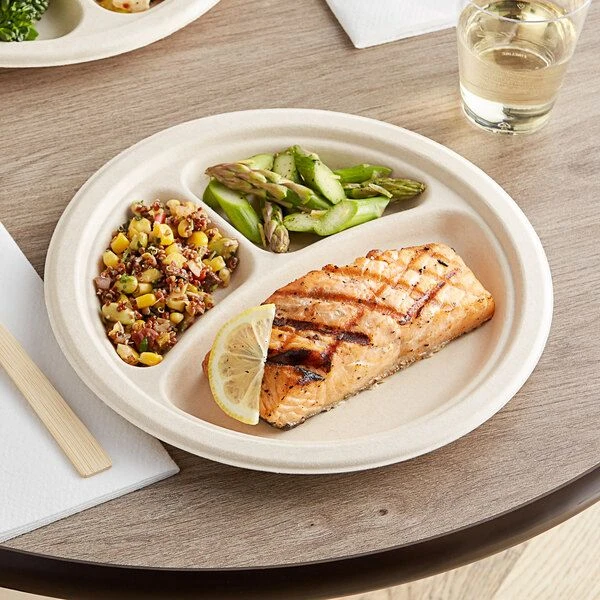
Products range from plates, cups, and trays to cutlery, straws, and food containers. Manufacturers like Bioleader® offer an extensive line of Cornstarch Tableware designed to meet both functional and sustainability needs for modern food businesses.
Why Cornstarch Is Winning the Bioplastic Race
There are several plant-based materials available today—bamboo, sugarcane, wood pulp—but cornstarch stands out due to its versatility and cost-efficiency. Here’s why:
1. Excellent Plastic-Like Strength
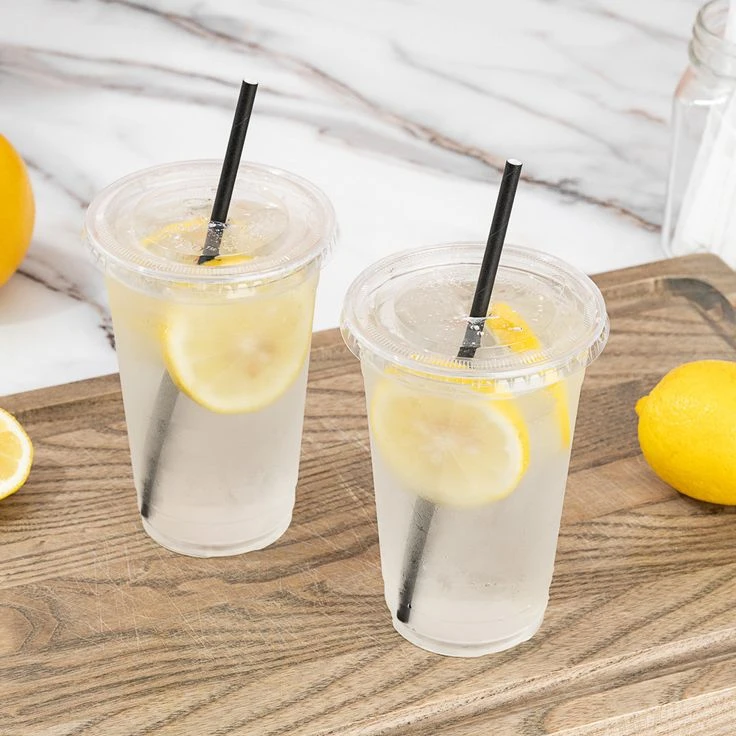
Cornstarch-based materials can mimic the flexibility and durability of petroleum plastics, making them suitable for everything from soup spoons to cold beverage lids.
2. Heat and Oil Resistance
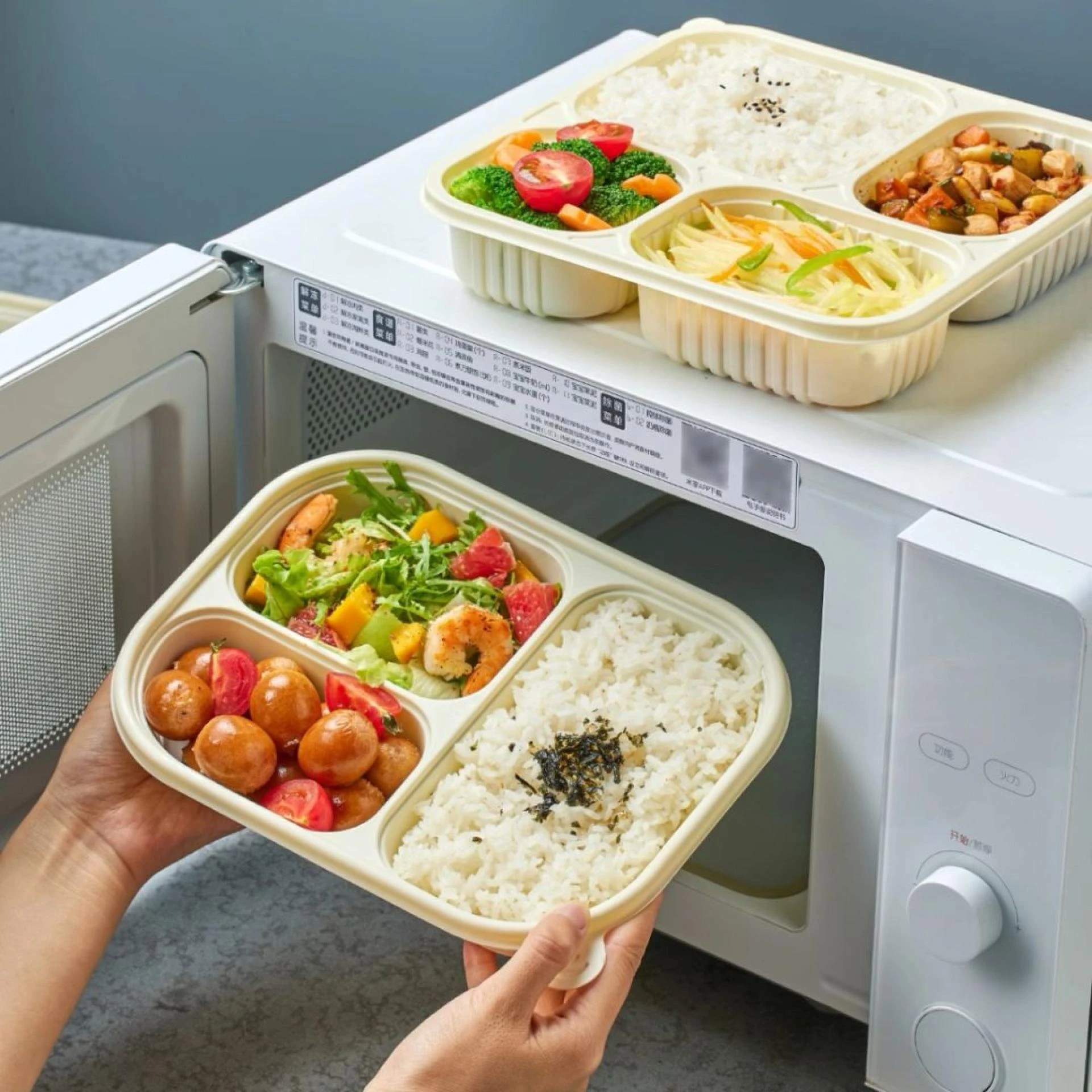
Unlike paper or bamboo, cornstarch utensils and containers don’t absorb moisture or deform when in contact with hot or greasy food.
3. Neutral Odor and Taste
Cornstarch does not impart any flavor or scent to food—important for preserving taste integrity in takeaway services.
4. Custom Moldable
It can be molded into almost any shape with precision, allowing for detailed branding and functional designs (e.g., lid fit, compartment trays).
5. Global Recognition and Compostability
Complies with major standards like EN13432, ASTM D6400, and ISO 17088. Many regions now accept PLA in industrial composting streams.
The Environmental Upside
Let’s talk carbon. Compared to conventional plastic, the production of cornstarch-based PLA uses:
- 65% less energy
- 68% fewer greenhouse gas emissions
- No fossil fuel extraction
And most importantly, when disposed of properly, PLA breaks down into carbon dioxide, water, and organic biomass—no microplastics, no long-term landfill waste.
Use Cases: Where Cornstarch Tableware Shines
Whether you’re feeding 10 people at a catered event or thousands via a nationwide delivery network, cornstarch tableware can scale with you. Common use cases include:
- 🥗 Catering & Buffet Services – Durable forks, spoons, and serving trays
- 🚚 Meal Delivery Platforms – Leak-proof containers and lids
- 🏢 Corporate Offices & Events – Eco-conscious disposables for meetings
- 🏖️ Festivals, Fairs & Street Markets – Stackable, heat-stable products for outdoor conditions
- 🍱 Grab-and-Go Retail Meals – Clean, white minimalist aesthetics match health-centric branding
Featured Product: 6.5 Inch Cornstarch Spoon
A perfect example of functional design meeting sustainable innovation is the 6.5 Inch Cornstarch Spoon. Designed for both hot and cold dishes, this spoon is ideal for delivery services, catering sets, or restaurant self-serve counters.
Key Features:
- Temperature-resistant up to 120°C
- Oil-proof, waterproof, and durable for heavy foods
- Smooth finish and neutral color tone
- 100% compostable under EN13432
- Safe for food contact (BPA-free, PFAS-free)
It’s a great fit for businesses looking to replace plastic cutlery without compromising performance or design.
How It Compares to Other Eco Materials
FeatureCornstarch (PLA)BagassePaperboardBamboo
Compostable✅ Yes✅ Yes✅ Yes✅ Yes
Oil/Water Resistant✅ Excellent✅ Good❌ Poor✅ Moderate
Heat Resistance✅ Up to 120°C✅ Up to 100°C❌ Often low✅ Up to 150°C
Moldability✅ HighModerateLowLow
Branding/Color Printing✅ ExcellentModerateGoodModerate
Price (per unit) 💲💲 💲 💲 💲💲💲
Cornstarch strikes the ideal balance for cost-conscious businesses that still want top-tier functionality and visual appeal.
Regulatory Trends: Why This Switch Matters Now
The urgency to switch to bioplastics is accelerating due to:
- 2025 EU Single-Use Plastics Directive enforcement
- California and Washington compostable packaging laws
- ASEAN countries phasing out EPS and PP containers
- Corporate sustainability targets (ESG, carbon neutrality)
By adopting cornstarch tableware today, businesses future-proof their operations while actively contributing to circular economy goals.
What to Look for in a Good Cornstarch Tableware Supplier
When sourcing PLA-based products, especially in bulk, you want a partner that offers:
- ✅ Third-party certifications (EN13432, ASTM, FDA)
- ✅ PFAS-free, BPA-free safety compliance
- ✅ OEM/ODM branding capability
- ✅ Consistent supply and factory-direct pricing
- ✅ Global shipping and MOQ flexibility
Suppliers like Bioleader® provide all of the above, with scalable solutions for hospitality groups, foodservice distributors, and private-label brands alike.
The Customer Perspective: Why They Notice More Than You Think
Today's consumer isn't just buying food—they're buying values. Packaging matters. According to a 2023 Nielsen report:
- 67% of consumers say they’re more likely to repurchase from brands using compostable packaging
- 54% would even pay more for sustainably packed meals
- 72% trust food packaged in biobased materials more than in plastic equivalents
So when your customer receives their takeout meal with sleek, compostable cornstarch cutlery, it’s more than just convenience—it’s marketing.
Final Thoughts: A Better Future, One Spoon at a Time
The shift to sustainable food packaging isn’t coming. It’s here.
And while no single solution is perfect, cornstarch tableware offers an exceptional blend of sustainability, performance, and affordability. Whether you’re serving salads at a street festival or plating premium dishes in a cloud kitchen, PLA-based packaging proves that being responsible doesn't mean compromising quality.
Start with one item. Replace one SKU. Switch one fork, one spoon, one tray—and scale from there. The planet—and your customers—will thank you.









Sign in to leave a comment.