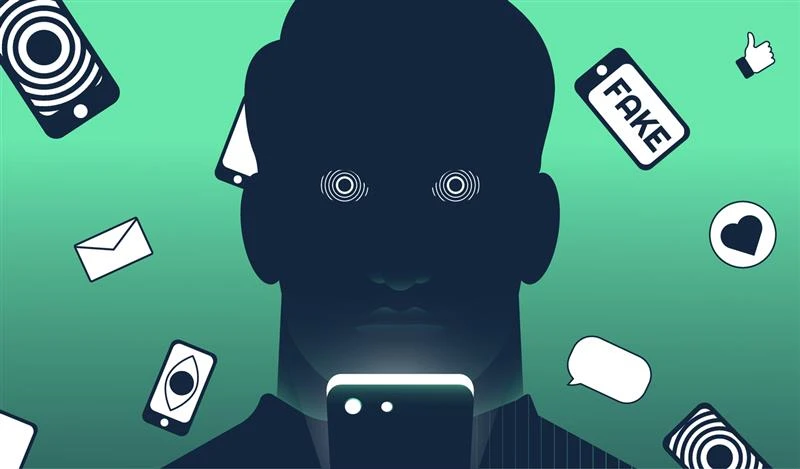

The challenging and rapidly changing world of technology has kept us connected through various devices like phones, computers, and tablets. We use them every moment of our lives.
However, this constant connection is harmful, leading to a condition called digital overload. This occurs when we are surrounded by an overload of information and data 24 hours a day. Therefore, this news is enough to make us feel sad and anxious, especially when it comes to communicating with others.
Understanding Digital Overload
Digital overload is information overload using tech devices. This includes:
- Too many emails
- Always the latest social media updates
- News alerts
- Text messages
- App notifications
In such cases, it becomes impossible to concentrate in an environment full of stimulation. Many people may feel slowed down and unable to handle everything at once. Therefore, they may feel stressed and anxious.
How Digital Overload Affects Social Anxiety?
When people who are digitally addicted or constantly use digital media avoid being in groups of people out of fear or shyness, they often develop social anxiety. Digital overload, in turn, increases social anxiety in several ways:
1. Fear of Missing Out (FOMO):
Unplanned situations make people feel like they're not included in the good things their friends and family are always doing online. This makes them jealous, and sometimes even sad and anxious. There's a constant fear that they might not be participating in the same activities as others.
2. Social Comparison and Loneliness:
People on social media often show the positive aspects of their lives but hide the negative ones. As a result, people start comparing themselves to them, which can lead to feelings of inferiority, low self-esteem, and anxiety, which indirectly also lead to social anxiety.
For example, a social media post of a close one, telling of an enjoyable time he had at some event. Within a split second, you feel like “I'm being left out and that I'm all alone. Why didn't he invite me too? Am I losing my life to the screen while others are out enjoying life without me?” However, on the other hand, the thought of going out and being with others also scares you.
3. Pressure to Respond Quickly:
The most common online messaging tools and social media can make people feel the need to respond to messages quickly and immediately.
Many people just get anxious with thoughts, "If I don't respond, I'm afraid other people will think I'm ignoring them." In fact, not responding on time can also indirectly lead to social anxiety. Intense fear of judgment, negative feedback, and rejection is a characteristic trait of social anxiety.
4. Online Conflicts:
People are increasingly engaging in arguments and fights online. This situation can become so serious that the thought of making a mistake while talking to someone makes them anxious.
5. Information Overload:
The amount of data available on the internet is unimaginable. This available information often leaves people feeling depressed and stressed.
Signs of Digital Overload
Some signs that digital overload is overwhelming you are:
- You feel pressured by the sound of notifications
- You check your phone first thing in the morning.
- You can't concentrate on your work because you're constantly checking your devices.
- When you can't use your phone or computer, you start to feel anxious.
- You think so much about online interactions that it affects your sleep.
- You become someone who always wants to post about everything you do.
Ways to Overcome Digital Overload Associated with Social Anxiety
Here are some ways to overcome digital overload associated with social anxiety:
1. Maintain a balanced use of the digital medium:
- Set boundaries: Schedule time to check your digital devices. Make a schedule, “no time” resolution to not look at your mobile phone.
- Turn off notifications: You shouldn't try to know every detail about everything. Turn off most app notifications. This will reduce constant interruptions.
- Spend device-free time: Take some time during the day to relax and not carry any devices with you. This could even be eating time or an hour before bed. This can help you focus on other activities and the people around you.
- Practice mindfulness: This is beneficial for anxiety related to social media use. Simply meditate or concentrate on your breathing for a few minutes every day.
- Limit social media use: Limit yourself to a few social media platforms (important ones) you require the most and stick to them. You don't need to be a part of everything. This can help reduce overwhelm.
2. Dealing with social anxiety:
- Challenge negative thoughts: When you have anxious thoughts related to social issues, ask yourself the following questions: "Is this the right setting?" and "Is there any evidence to support this?"
- Start small: If social situations make you anxious, start with activities, such as greeting your neighbor or making small talk with the cashier.
- Practice self-compassion: Be kind to yourself. Everyone can be clumsy or make silly mistakes sometimes. This is all part of being human.
- Build true relationships: Make more time to meet face-to-face with your friends and family. Physical interactions are better for reducing social anxiety.
- Take care of your physical health: Make sure you get enough sleep, eat a balanced diet, and be active. Physical health contributes significantly to mental health and can help you better cope with stress.
- Seek help: Talk to your friend, your mother/father, sibling, or a therapist. Having a chat about your fear may help you feel better.
When to Seek Professional Help?
If digital overload and social anxiety are disrupting your daily life (as well as academic/professional life or relationships), it is best to seek professional help. Some signs that you may need professional help promptly include:
- An intense feeling of discomfort in social situations
- Struggle with low self-esteem
- Too focused on overthinking and replaying conversations
- Persistent need to break free from those suppressed events
- An episode of panic attacks just at the idea of some social event
- A feeling of losing control over your digital use
A therapist can provide you with the necessary tools and work with you to develop coping skills tailored to your specific situation.
The Takeaway
Our daily lives involve a deluge of digital information, which contributes to social anxiety in many people. The constant bombardment of feeds, alerts, and mobile digital distractions can desensitize many to the point where they are unable to maintain their true social lives. But by changing your digital behavior, this problem can be addressed, and you can overcome social anxiety.
Don't forget that technology was invented by humans, so it should be designed to make human life easier, not the other way around. With a little ingenuity, changes to your digital behavior can help you overcome anxiety and get back to life.
Why not start now? You can choose one digital habit to change this week. For example, you can avoid technological distractions by setting aside some time each day to chat with friends online via messaging. Alternatively, plan a hangout and leave your phone at home so you can talk freely.











Sign in to leave a comment.