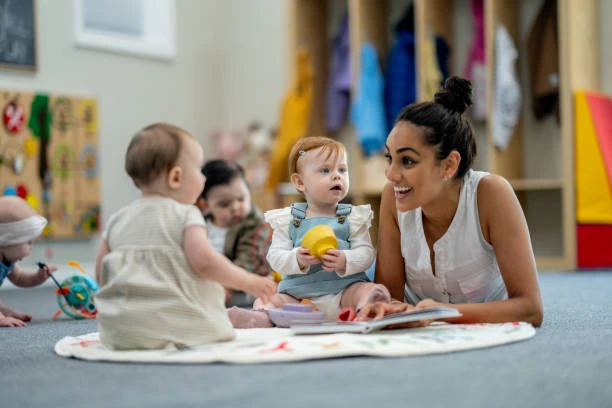

Starting school is one of the biggest steps in a young child’s life, and families naturally want their children to feel confident, happy, and ready for the classroom. Today, many parents rely on Child Care Services not only for day-to-day support but also for building the early skills children need before they step into primary school. These services play a major role in shaping a child’s social, emotional, and cognitive growth, making the transition to formal learning smoother and far more positive.
In this article, we’ll look at why early care programs matter so much, how they prepare children for school, and what families can expect when choosing the right environment for their little ones.
Strong Foundations for Early Learning
Child Care Services offer more than just supervision. They give children access to a structured environment where learning begins long before the first day of school. Through age-appropriate activities and guided routines, children start to build skills that form the base for future education.
Language and Communication Skills
From the moment a child enters an early learning setting, they are surrounded by conversation, songs, stories, and group discussions. Talking with educators and other children helps them:
- Build vocabulary
- Form clear sentences
- Listen and respond
- Share ideas
- Understand different communication styles
By practicing these skills daily, children enter school more confident in classroom communication, which supports better learning outcomes later on.
Early Literacy Experiences
Many centres introduce children to letters, sounds, picture books, and basic storytelling. This early exposure helps them:
- Recognise letters and simple words
- Understand how books work
- Build curiosity about reading
- Develop memory and attention
These early steps form the groundwork for reading and writing in Prep and beyond.
Numeracy Foundations
Children learn basic maths concepts through play, such as:
- Counting toys
- Sorting objects
- Recognising patterns
- Understanding size and shape
These simple tasks help children become familiar with early numeracy in a natural and enjoyable way.
Social Development and Confidence Building
One of the biggest benefits of Child Care Services is the chance for children to socialise with others their age. Social development is a major part of school readiness, as children are expected to join groups, share resources, communicate with respect, and manage themselves within a classroom setting.
Learning to Work With Others
When children take part in group games, shared tasks, and team projects, they learn skills such as:
- Sharing
- Taking turns
- Listening to others
- Showing empathy
- Problem-solving with peers
These are key abilities that help children adjust to school life, where teamwork and cooperation are part of daily learning.
Building Resilience and Confidence
Early learning settings introduce children to small challenges, such as:
- Following new instructions
- Trying activities that feel unfamiliar
- Managing emotions
- Adapting to change
With support from caring educators, children learn to trust themselves, speak up, ask for help, and feel confident in new environments. This emotional strength plays a major part in how well they take on the demands of school.
Routine and Structure That Mirrors School Life
A big part of preparing for school is becoming familiar with daily routines. Child Care Services follow structured schedules that teach children how to:
- Arrive and settle in
- Participate in group time
- Move smoothly between activities
- Manage rest and play periods
- Pack away belongings
- Follow clear instructions
These simple habits build responsibility and independence. When children start school, they already understand the rhythm of a structured day, which reduces stress and helps them focus on learning.
Emotional and Behavioural Readiness
Schools expect children to manage their emotions, follow rules, and respond calmly to different situations. Child Care Services support this development through patient guidance and positive behaviour approaches.
Self-Regulation Skills
Children learn how to:
- Handle frustration
- Wait for their turn
- Manage excitement
- Express their feelings with words
- Calm themselves after conflict
These skills make classroom behaviour smoother and help teachers spend more time teaching and less time managing disruptions.
A Sense of Independence
Many everyday tasks encourage independence, such as:
- Packing their bag
- Feeding themselves
- Washing hands
- Making simple choices
- Dressing and undressing for outdoor play
Children who manage these tasks on their own settle into school more comfortably and with greater confidence.
Early Exposure to Learning Environments
For many children, Child Care Services are their first experience away from home. This early exposure to a group learning environment reduces the anxiety that often comes with starting school.
Getting Comfortable With Educators
In child care, children learn that adults outside their families can also be trusted caregivers and teachers. This makes it easier for them to build strong relationships with school teachers later on.
Understanding Classroom Expectations
Children become used to expectations such as:
- Sitting during story time
- Listening to instructions
- Participating in group activities
- Showing respect to others
Because these expectations are similar in primary school, the shift feels natural instead of overwhelming.
Physical Development and School Readiness
School readiness isn’t just about academics. Physical skills also play a major part in helping children participate fully.
Fine Motor Skills
Through drawing, puzzles, painting, threading, and craft activities, children develop the hand strength and coordination needed for:
- Holding a pencil
- Writing
- Cutting with scissors
- Turning pages
- Using classroom materials safely
Gross Motor Skills
Outdoor play, climbing, running, ball games, and obstacle courses help children:
- Build balance
- Strengthen muscles
- Improve coordination
- Develop spatial awareness
These physical skills prepare them for playground activities, sports, and the general movement required in a school environment.
Learning Through Play
Play is one of the most important tools in early childhood development. Child Care Services structure play in ways that support learning, such as:
- Pretend play for creativity and language
- Sensory play for early science thinking
- Puzzles for problem-solving
- Construction play for planning and design
- Outdoor play for coordination and social skills
Through play, children learn naturally, without pressure, which boosts confidence and supports healthy development.
Support for Children With Different Needs
Child Care Services can identify early signs of learning delays, speech issues, emotional struggles, or developmental challenges. Early detection allows families to seek support long before school begins, giving children the best possible start.
Educators can also work with specialists, therapists, and families to tailor activities so every child feels included and supported.
Stronger Family Engagement
Families play a major role in school readiness. Child care centres keep parents informed about:
- Developmental progress
- Strengths and interests
- Areas needing extra support
- Behaviour patterns
- New skills learned
This teamwork helps families continue learning at home, keeping children on track and creating a smoother pathway toward school.
Conclusion
Child Care Services play a vital role in preparing children for their first day of school. From early language and numeracy skills to social confidence, emotional strength, physical development, and routine building, these services create a strong foundation for lifelong learning.
With caring educators, structured learning through play, and consistent routines, children step into school feeling confident, prepared, and ready to thrive. Families can feel reassured knowing their child has gained the skills and experiences needed for a positive start to primary education.










Sign in to leave a comment.