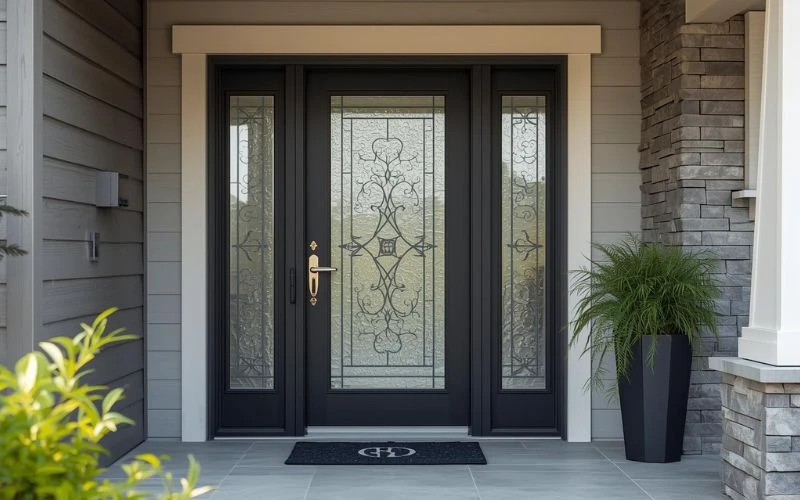

Living near the coast has its perks — sea breezes, relaxed lifestyle, and those glowing sunsets. But here’s the not-so-glamorous truth: coastal homes can experience corrosion rates up to 10 times higher than inland properties due to airborne salt exposure.
If you see bubbles in the paint, rust marks, or rough spots on your security screens, you're not hallucinating it.
Coastal corrosion is real — and it’s relentless.
So why exactly does this happen? And more importantly, how do you stop salt pitting before it quietly destroys your investment?
Let’s unpack it in a practical (and slightly curious) way.
Why Do Security Screens Corrode Faster Near the Coast?
It comes down to three simple elements: salt, moisture, and metal.
Coastal air carries microscopic salt particles. You can’t see them, but they settle on every exposed surface. When humidity or rain mixes with that salt, it forms an electrolyte solution that triggers oxidation — the technical term for rusting.
Think of it like a slow chemical reaction happening right on the surface of your screen.
Even high-quality installations, including security doors in Morphett Vale, that homeowners rely on for protection, are exposed to this environmental stress. Without proper maintenance or material selection, corrosion can begin sooner than expected.
Interestingly, corrosion doesn’t always start as obvious rust. It often begins beneath protective coatings.
What Is Salt Pitting, and Why Is It a Serious Issue?
Salt pitting is localised corrosion that forms tiny holes in metal surfaces.
At first, they’re small. Easy to miss.
Meanwhile, beneath the surface, damage spreads.
Why it matters:
- It makes structures less strong.
- It gets spread out under powder coat.
- It puts doors and locking systems at risk.
- It makes products last less long.
Unlike surface rust, pitting can’t simply be sanded away. Once the metal structure is compromised, repairs become difficult and sometimes impractical.
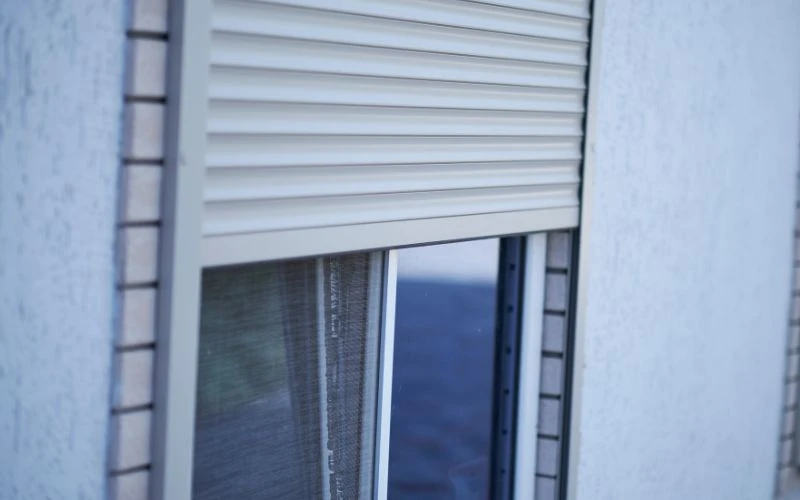
For homeowners installing broader protection systems like security shutters in Adelaide coastal properties often choose, salt exposure can also affect tracks, rollers, and mechanical components — not just flat surfaces.
And when moving parts corrode, performance suffers.
Are Some Materials Better Suited for Coastal Environments?
Yes — and material choice makes a huge difference.
Here’s what works best in salty conditions:
1. Marine-Grade Stainless Steel (316)
Higher resistance to chloride exposure.
2. Aluminium With Quality Powder Coating
Naturally corrosion-resistant but still needs maintenance.
3. Galvanised Steel With Additional Protective Coating
Provides a sacrificial barrier against rust.
Lower-grade steel, meanwhile, may show visible corrosion within one to two years in high-salt zones.
An easy way to think about it: inland materials in coastal areas age in fast-forward.
How Can Homeowners Prevent Salt Pitting?
The good news? Prevention is manageable. It just requires consistency.
Step-by-Step Coastal Maintenance Plan
Step 1: Rinse Regularly
Wash down screens and external metal fixtures with fresh water every month. If you’re within 2 km of the coast, rinse fortnightly.
Step 2: Clean Quarterly
Use warm water and mild, pH-neutral detergent. Avoid harsh cleaners — they can damage the protective coating and expose the metal underneath.
Step 3: Inspect Fixings and Joints
Check screws, hinges, and corners where salt tends to accumulate. Replace standard hardware with corrosion-resistant fixings if needed.
Step 4: Protect Moving Components
Every few months, use a silicone-based lubricant on the hinges and rollers.
Step 5: Repair Coating Damage Immediately
Even a small scratch can allow salt to penetrate the surface layer.
Meanwhile, combining physical durability with modern security upgrades can provide added resilience.
Can Smart Home Technology Help Protect Your Security Setup?
Interestingly, yes.
New-generation devices like:
- Cameras and video doorbells
- Smart locks and automated garages
- Alarm systems
- Hubs and routers (including mesh Wi-Fi and smart home bridges)
allow homeowners to monitor entry points remotely.
If corrosion affects functionality — such as a sticking shutter or lock — you’ll notice the performance changes more quickly. Early detection reduces long-term damage.
Think of it as adding digital awareness to physical security.
Repair or Replace? How to Make the Right Call Before Damage Gets Worse
Here’s a simple rule:
Repair if you see:
- Some surface rust
- A few scratches
- Discolouration in its early stages
Replace if you notice:
- Deep pitting
- Structural weakening
- Locking failure
- Repeated corrosion despite maintenance
Coastal environments are demanding. But with the right materials and a proactive approach, your security installations can last many years.
Practical Coastal Corrosion Checklist
✔ Choose marine-grade or properly coated materials
✔ Rinse monthly (fortnightly near the beach)
✔ Clean gently every 3 months
✔ Inspect hardware every 6 months
✔ Lubricate moving parts
✔ Repair scratches quickly
✔ Monitor performance via smart systems
Coastal living shouldn’t mean constant replacements.
A little prevention — done consistently — keeps your home secure, functional, and looking sharp despite the salt in the air.












Sign in to leave a comment.