
Intro:
Ever hit the remote and watch the garage door start closing… and then—out of nowhere—it reverses like it changed its mind?
This happens more often than expected. Interestingly, technicians report that over 60% of “faulty garage door” callouts are actually safety system triggers—not real breakdowns. In busy suburbs like Seaford and Dandenong, where garages are the main entry points, this issue frequently arises.
So no, the garage door isn’t being dramatic.
It’s trying to signal that something isn’t right.
Why Does a Garage Door Reverse Before Hitting the Ground?
Think of a garage door like a cautious driver. If it senses anything unusual, it stops and backs away.
Most modern systems include a safety reversal mechanism designed to prevent injury or damage. If something interrupts that system—even slightly—the door assumes there’s an obstacle.
Common triggers include:
- Misaligned safety sensors
- Dirt or dust blocking the sensor beam
- Small objects (even a leaf) in the track
- Resistance in the door’s movement
An easy way to think about it: if the door feels resistance, it reacts instantly.
Could Garage Door Sensors Be the Problem?
Short answer? Very likely.
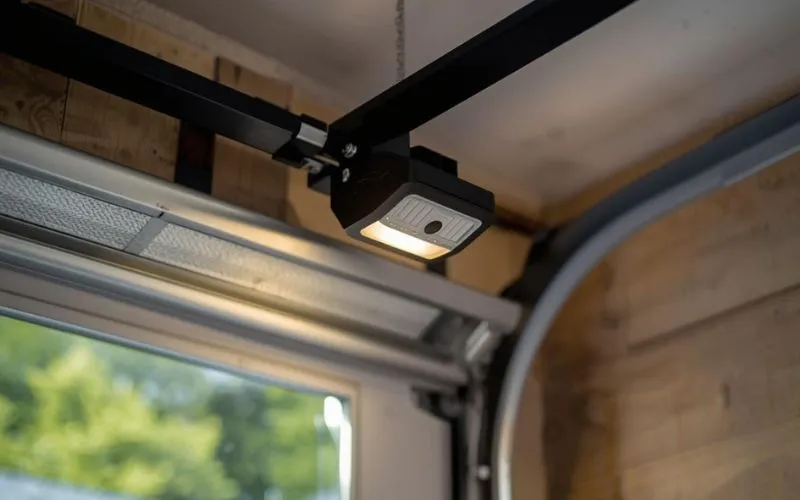
Those small units near the bottom of the frame are infrared sensors sending an invisible beam across the opening. If that beam is interrupted, the door won’t close.
Quick check (takes 2 minutes):
- Look for blinking lights on the sensors
- Wipe both lenses with a clean cloth
- Ensure both sensors face each other directly
- Check for loose wiring
Meanwhile, here’s something often overlooked: sunlight interference. Late afternoon sun—common in coastal areas like Seaford—can hit sensors at just the right angle to disrupt the beam.
What If Nothing Is Blocking the Door?
This is where things get slightly more technical—but still manageable.
If the door starts closing and then reverses without any visible obstruction, the issue is often mechanical resistance.
Possible causes:
- Worn-out rollers
- Bent or misaligned tracks
- Tight or frayed cables
- Lack of lubrication
Think of it like pushing a shopping trolley with a stuck wheel. It moves—but not smoothly. The opener senses that resistance and assumes something is wrong.
This is a common issue seen during garage door repairs in Dandenong, especially in older systems where wear builds up gradually.
Can Opener Settings Cause Random Reversing?
Yes—and this surprises many homeowners.
Garage door openers rely on force and limit settings to control movement. If these are slightly off, the door may:
- Stop too early
- Reverse suddenly
- Struggle near the ground
Quick signs to look for:
- Reversing at the same spot every time
- Hesitation before reversing
If these patterns appear, settings likely need adjustment. However, incorrect adjustments can override safety features, which is why professional help is often needed during garage door repairs in Seaford.
Is Garage Door Balance Affecting This Issue?
Absolutely—and this is often the hidden cause.
A poorly balanced door places extra strain on the opener. As a result, the system detects abnormal force and reverses as a safety response.
Simple test:
- Disconnect the opener
- Lift the door halfway manually
- Let go carefully
If the door drops or shoots upward, it’s unbalanced. This usually points to spring tension issues, which should be handled professionally. When does this become a serious problem? Occasional reversing can happen. Constant reversing signals a deeper issue. Look out for:
- Always going backwards
- Grinding or strange sounds
- Movement that is jerky or uneven
- A door that is hard to open
In high-use households—more than 55% of Australian homes use the garage as the main entry point—ignoring these signs can lead to motor failure.
Conclusion: Quick Checklist to Fix the Issue
Before assuming a major fault, go through this simple checklist:
✔ Clean and align safety sensors
✔ Remove debris from tracks
✔ Listen for resistance or unusual noise
✔ Test door balance manually
✔ Check if reversing happens at the same spot
If the problem continues, a professional inspection is the safest next step. Bottom line:
A garage door doesn’t reverse randomly. It reacts to something—either a signal, resistance, or imbalance. Fix the cause early, and the entire system stays safer, smoother, and far more reliable.












Sign in to leave a comment.