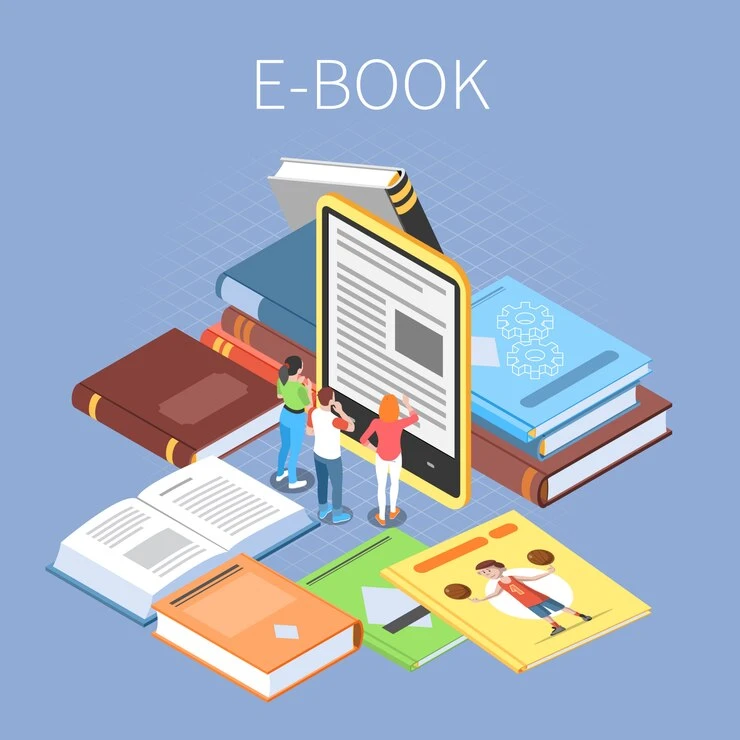

In recent years, the publishing industry has experienced a remarkable shift, and much of this change can be attributed to the rise of eBooks. Once seen as a passing trend, eBooks have firmly established themselves as a mainstay in the world of literature, education, and information sharing. As we approach 2025, it’s clear that the demand for eBooks is not only growing but also transforming the way books are written, distributed, and consumed.
The digital age has brought with it an explosion of technology that is reshaping the publishing landscape. With the ease of access, portability, and convenience they offer, eBooks are becoming the preferred choice for readers across the globe. From self-published authors to major publishing houses, the shift toward digital books is something that can’t be ignored.
In this blog, we’ll explore why eBooks are set to dominate the publishing industry in 2025, highlighting the trends that are driving this growth, the benefits of eBooks for both readers and authors, and what this means for the future of publishing.
1. The Rise of Digital Reading Devices
One of the most significant factors contributing to the rise of eBooks is the widespread adoption of digital reading devices. Smartphones, tablets, e-readers (like Kindle, Nook, and Kobo), and even laptops provide readers with an unprecedented level of convenience and portability. These devices allow users to carry entire libraries of books in their pockets, enabling them to read anywhere, anytime.
Why This Matters for eBook Growth:
The increasing use of digital devices, coupled with advancements in e-ink technology, has made reading eBooks more comfortable than ever. E-readers are designed to mimic the experience of reading a physical book while offering the additional benefits of adjustable fonts, backlighting, and longer battery life. Furthermore, smartphones and tablets have made it even easier for people to access and read eBooks on-the-go.
As technology continues to advance, the devices used to read eBooks will only become more integrated into everyday life. This growing reliance on digital reading devices will contribute to the continued rise in eBook consumption and, by extension, eBook publishing.
2. The Convenience and Accessibility of eBooks
In a world where convenience is paramount, eBooks offer unparalleled accessibility. With just a few taps or clicks, readers can download and access books instantly—without having to wait for shipping or visit a physical bookstore. Whether it’s for casual reading, academic research, or professional development, eBooks allow readers to get the information they need on-demand.
Global Accessibility:
eBooks are not limited by geographic location. They are available to anyone with an internet connection, making it easier for readers worldwide to access books from a vast array of genres, languages, and subjects. This global accessibility has opened up new markets for authors and publishers alike, making it easier than ever to reach a global audience.
Instant Gratification:
In addition to convenience, the instant gratification that eBooks offer is another key driver behind their growth. Readers can purchase and begin reading a book immediately, often within moments of discovering it. This on-demand access appeals to the modern consumer who values speed and efficiency.
3. Cost-Effectiveness for Authors and Publishers
The cost of publishing traditional print books is significant—authors must cover printing costs, shipping, and distribution fees, while publishers bear the additional burden of inventory management. In contrast, eBook publishing is far more cost-effective.
Lower Production Costs:
eBooks eliminate the need for physical printing, binding, and distribution, significantly lowering production costs. This makes it easier for self-published authors to enter the market without the need for traditional publishers. Platforms like Amazon Kindle Direct Publishing (KDP) and Smashwords allow authors to publish and distribute their books digitally with little upfront investment.
Increased Profit Margins:
Because there are no printing or shipping costs associated with eBooks, authors and publishers can enjoy higher profit margins. Additionally, eBooks have the potential for better scalability, as digital distribution can reach a much broader audience without the logistical limitations of physical copies.
Self-Publishing Boom:
The affordability and ease of eBook publishing have contributed to the rapid growth of the self-publishing industry. Authors who may have been previously deterred by the barriers of traditional publishing can now take control of their writing careers and distribute their work directly to readers. This democratization of publishing has fueled the surge in eBook production, leading to a greater diversity of voices and content.
4. Growing Demand for Sustainability
As concerns over the environment grow, consumers and businesses alike are becoming more conscious of their environmental impact. Traditional book production involves cutting down trees for paper, energy-intensive printing processes, and significant shipping costs—all of which contribute to a large carbon footprint.
Why eBooks Are Eco-Friendly:
eBooks present a sustainable alternative to traditional print books. Since eBooks are digital, there is no need for paper, ink, or transportation. As a result, they offer a more eco-friendly way to consume books. The increasing demand for sustainable options is one of the reasons why more readers are turning to digital formats, making eBooks a key player in the future of publishing.
The eco-friendly nature of eBooks not only benefits the environment but also aligns with the growing preferences of environmentally conscious consumers. In 2025, it’s expected that sustainability will continue to be a significant factor in consumer decision-making, further solidifying eBooks as a preferred choice.
5. The Shift Toward Subscription-Based Models
Subscription services like Audible, Scribd, and Kindle Unlimited have revolutionized the way people consume digital content. These platforms offer readers the ability to access a vast library of eBooks, audiobooks, and other digital media for a monthly fee, which has proven to be a highly attractive model.
Subscription-Based Services:
The subscription model is rapidly gaining traction because it offers readers flexibility and convenience. With a fixed monthly cost, subscribers can read as many eBooks as they want, without worrying about individual purchase prices. For publishers and authors, subscription services provide a reliable source of income and increased exposure, as their books are included in a wide-reaching library.
Expanding the Reach of eBooks:
Subscription-based models also contribute to the growth of eBooks by making them more accessible to readers who might not otherwise purchase individual titles. These services expose readers to a broader range of authors, genres, and topics, further promoting the digital reading experience.
6. Integration with Emerging Technologies (AI, VR, and More)
As technology continues to evolve, eBooks are benefiting from the integration of emerging technologies. In particular, Artificial Intelligence (AI), Augmented Reality (AR), and Virtual Reality (VR) are beginning to make their mark on the world of digital reading.
AI-Powered eBooks:
AI technology is being used to enhance the eBook experience by offering personalized recommendations based on reading habits. AI can analyze a reader’s preferences and suggest books they are likely to enjoy, making it easier for readers to discover new content. Additionally, AI is being used in interactive eBooks that allow readers to engage with the content in new ways, such as interactive narratives or choose-your-own-adventure-style books.
AR and VR Integration:
Augmented Reality and Virtual Reality are pushing the boundaries of digital storytelling. In the future, we may see eBooks that offer immersive experiences where readers can interact with 3D elements, view scenes in VR, or even explore fictional worlds using AR. These innovations will make eBooks even more engaging and interactive, adding another layer of value to digital books.
7. Global Reach and Language Accessibility
eBooks have the unique advantage of being easily translated into multiple languages, allowing authors to reach a global audience without the limitations of physical printing and shipping. Many self-published authors and traditional publishers are now able to release eBooks in multiple languages, opening up new markets and expanding their readership.
Breaking Down Language Barriers:
Digital platforms like Amazon Kindle and Google Play Books support multiple languages, allowing readers from different countries to access books in their native languages. This global accessibility increases the demand for eBooks, as readers are no longer restricted by geographical limitations.
8. The Future of eBook Sales: A Growing Market
The eBook market is expected to continue its growth trajectory well into 2025 and beyond. With digital reading habits deeply ingrained in today’s society, eBooks are poised to dominate the publishing industry. The convenience, affordability, and accessibility of eBooks make them an attractive option for both readers and authors.
Projected Growth in eBook Sales:
By 2025, eBook sales are projected to increase as more readers prefer digital formats over physical books. The growing preference for mobile devices, advancements in eBook technology, and the expansion of subscription services are driving this trend. In fact, the digital transformation of the publishing industry is only just beginning, and eBooks will play a central role in shaping the future of literature.
Conclusion: eBooks—The Future of Publishing in 2025
In conclusion, eBooks are undeniably the future of publishing, and the trends shaping the industry today suggest that their growth will only continue. From the rise of digital reading devices to the eco-friendly advantages of eBooks, the convenience and accessibility they offer are revolutionizing the way books are consumed. Furthermore, the integration of emerging technologies, global reach, and the shift toward subscription-based models are accelerating the adoption of eBooks in every corner of the world.
For authors and publishers, embracing the eBook format provides a cost-effective, scalable, and sustainable way to connect with readers worldwide. As we move into 2025, eBooks will continue to lead the way in the publishing industry, offering new opportunities for both creators and consumers.
Whether you’re an author looking to publish your next book or a reader eager to explore new content, the rise of eBooks offers something for everyone—and it’s only going to get better.










Sign in to leave a comment.