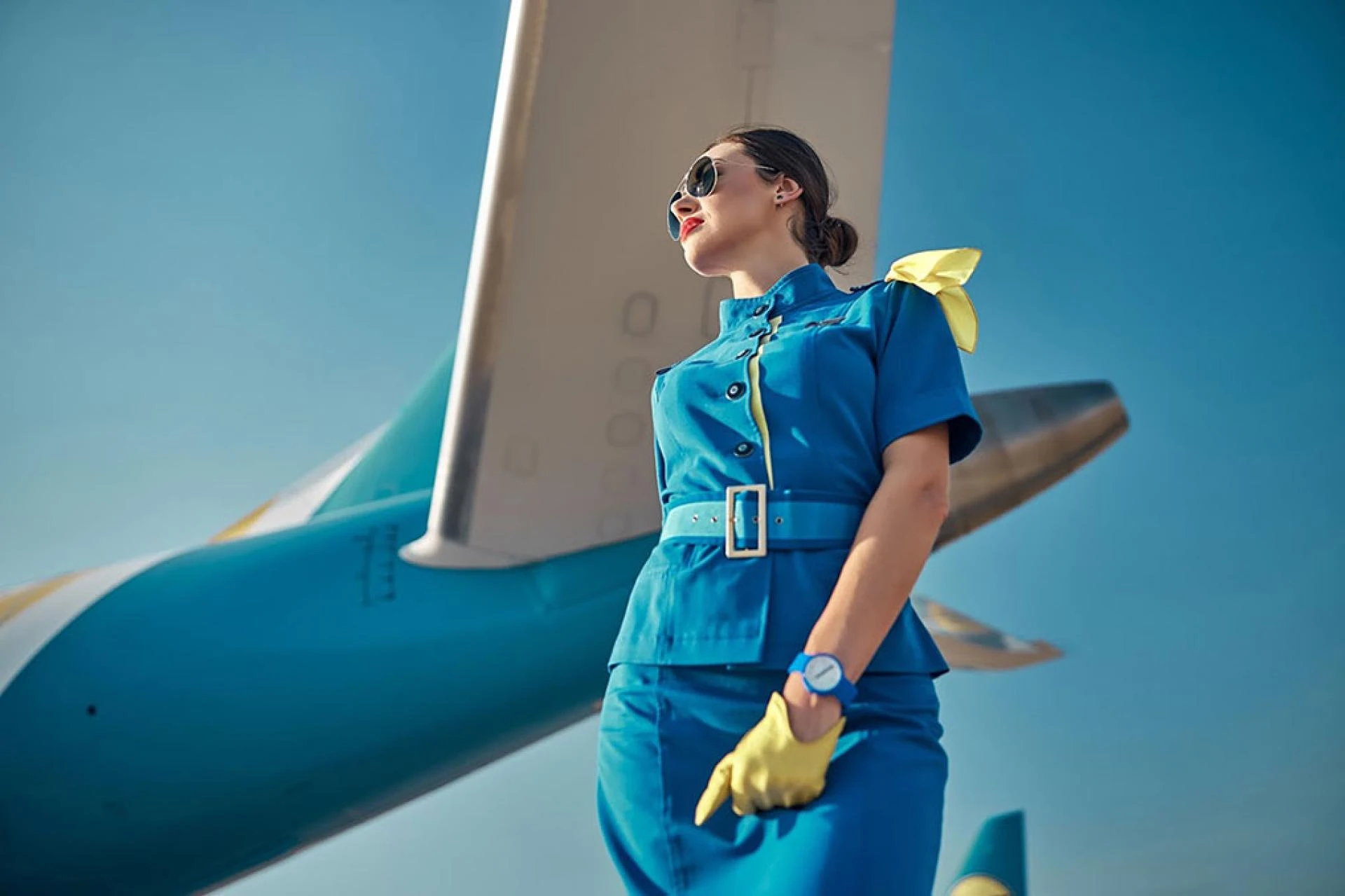

In the dynamic aviation industry, the role of cabin crew extends beyond ensuring passenger safety and comfort. Modern-day training programs, such as the Air Hostess/Flight Steward Course in Udaipur, emphasize the importance of emotional intelligence (EI). This vital skill helps cabin crew manage diverse situations and passengers effectively. By integrating emotional intelligence into their training, airlines are not only enhancing service quality but also fostering a supportive work environment for their staff. In this article, we delve into why emotional intelligence is crucial for modern cabin crew training and how it benefits both the crew and passengers.
Understanding Emotional Intelligence
Emotional intelligence is the ability to recognize, understand, and manage one\'s emotions and the emotions of others. It encompasses skills such as empathy, self-regulation, social skills, and motivation. For cabin crew, high emotional intelligence translates to better interaction with passengers, effective conflict resolution, and enhanced teamwork.
Key Components of Emotional Intelligence
- Self-Awareness: Recognizing one\'s emotions and their impact on others.
- Self-Regulation: Managing emotions, particularly in stressful situations.
- Empathy: Understanding and sharing the feelings of others.
- Social Skills: Building and maintaining healthy relationships.
- Motivation: Staying focused and positive, even in challenging times.
The Role of Emotional Intelligence in Cabin Crew Training
Enhancing Passenger Interaction
One of the primary responsibilities of cabin crew is to ensure passengers have a pleasant flight experience. Emotional intelligence equips them with the skills to handle a variety of passenger needs and situations. By being empathetic, crew members can provide personalized service, making passengers feel valued and understood.
Managing Stress and Conflict
The aviation environment can be stressful, with delays, turbulence, and diverse passenger behaviors. Cabin crew trained in emotional intelligence are better equipped to manage their stress levels and remain composed. This ability is crucial in de-escalating conflicts and maintaining a calm cabin environment.
Building Team Cohesion
A flight crew is a team, and teamwork is essential for the smooth operation of flights. Emotional intelligence fosters strong interpersonal relationships among crew members. With effective communication and mutual understanding, the crew can work together seamlessly, ensuring safety and efficiency.
Customer Satisfaction and Loyalty
Emotional intelligence plays a significant role in customer service excellence. Passengers remember their interactions with cabin crew, and positive experiences lead to customer satisfaction and loyalty. Airlines benefit from repeat customers and positive word-of-mouth, which are crucial for business growth.
Emotional Intelligence in Action: Real-Life Scenarios
Scenario 1: Handling an Anxious Passenger
Imagine a passenger who is afraid of flying. A cabin crew member with high emotional intelligence will recognize the passenger\'s anxiety and provide reassurance through calm and empathetic communication. They might offer distractions or comfort items to ease the passenger\'s nerves.
Scenario 2: Resolving Seating Conflicts
Seating issues can arise, such as a passenger finding someone else in their assigned seat. An emotionally intelligent crew member will address the situation calmly, listen to both parties, and find a satisfactory resolution without escalating tensions.
Scenario 3: Managing Medical Emergencies
In the event of a medical emergency, emotional intelligence is critical. The cabin crew must remain composed, provide clear instructions, and offer emotional support to the affected passenger and their companions while coordinating with medical professionals on the Airport Ground staff.
Integrating Emotional Intelligence in Training Programs
Curriculum Development
Training programs like the Air Hostess/Flight Steward Course in Udaipur are incorporating emotional intelligence into their curriculum. This includes theoretical lessons on emotional intelligence concepts and practical exercises to develop these skills.
Role-Playing and Simulations
Role-playing and simulation exercises are effective ways to train cabin crew in emotional intelligence. These activities mimic real-life scenarios, allowing trainees to practice their responses and receive feedback on their performance.
Continuous Professional Development
Airlines are also focusing on continuous professional development. Regular workshops and training sessions help cabin crew refresh their emotional intelligence skills and stay updated with the latest best practices.
The Future of Cabin Crew Training
As the aviation industry evolves, the emphasis on emotional intelligence in cabin crew training is expected to grow. Airlines recognize that emotionally intelligent staff are better equipped to handle the complexities of modern air travel. Investing in this aspect of training not only benefits the crew but also enhances the overall passenger experience.
Benefits for Airlines
- Improved Customer Satisfaction: Emotionally intelligent cabin crew deliver superior customer service.
- Increased Employee Retention: A supportive work environment leads to higher job satisfaction and lower turnover rates.
- Enhanced Reputation: Airlines known for excellent service attract more customers and build a strong brand reputation.
Adapting to Future Challenges
The aviation industry faces constant changes, from technological advancements to shifting passenger expectations. Emotional intelligence equips cabin crew with the resilience and adaptability needed to navigate these challenges effectively.
Conclusion
Emotional intelligence is a crucial component of modern cabin crew training, significantly impacting passenger satisfaction, conflict resolution, and teamwork. By integrating emotional intelligence into training programs like the Air Hostess/Flight Steward Course in Udaipur, airlines are preparing their crew to excel in their roles and provide exceptional service. As the industry continues to evolve, the emphasis on emotional intelligence will only become more pronounced, ensuring that cabin crew are equipped to meet the demands of modern air travel.










Sign in to leave a comment.