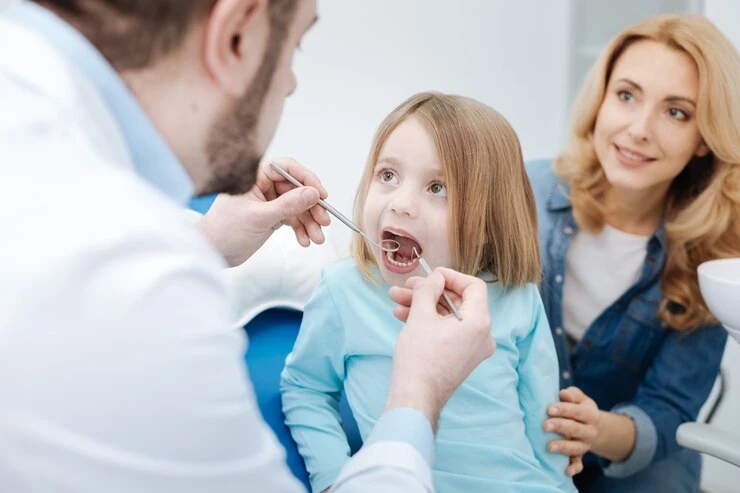

Family dental care is a pivotal aspect of maintaining not only oral health but also overall well-being across all generations. Many people often overlook the importance of regular dental check-ups, assuming that dental issues are exclusive to certain age groups. However, optimal dental health is essential from childhood through to adulthood and into old age.
This article delves into the myriad reasons why family dental care is vital for every age, ensuring a lifetime of healthy smiles.
The Importance of Early Dental Care
From the moment a child's first tooth emerges, the journey toward lifelong dental health begins. Early dental care is crucial, as it instills good oral hygiene habits that can last a lifetime. Children are particularly susceptible to cavities and dental decay, which can lead to more serious issues if left untreated. Regular visits to the dentist at an early age help parents understand the best practices for brushing, flossing, and dietary choices that influence oral health.
Moreover, introducing children to the dental environment early on can alleviate anxiety associated with dental visits later in life. Familiarity with the dentist's office, the tools used, and the overall experience fosters a sense of comfort. This can lead to positive associations with dental care, making it more likely that they will continue these habits into adulthood. The American Academy of Pediatric Dentistry recommends that children should see a dentist by their first birthday, setting the stage for lifelong oral health.
Preventive Care for Adolescents
Transitioning into adolescence, the focus of dental care shifts to prevention and education. Teenagers face unique challenges when it comes to dental health, including the emergence of wisdom teeth, orthodontic treatment, and dietary habits influenced by peer pressure. Regular dental check-ups during this stage allow for the early detection of issues such as misalignment and gum disease.
Additionally, education plays a critical role in this age group. Dentists can provide valuable information about the risks associated with sugary drinks and snacks, which are often staples in a teenager's diet. By informing adolescents about the implications of poor dental hygiene and the importance of regular care, dental professionals empower them to take charge of their own oral health. This proactive approach not only prevents costly treatments later but also encourages a sense of responsibility that carries into adulthood.
Adult Dental Health: A Foundation for Life
As individuals enter adulthood, the focus of dental care shifts yet again. Adults face a range of dental concerns, from maintaining the health of existing teeth to addressing issues like gum disease and tooth decay. Regular dental visits are essential at this stage to monitor and manage these concerns effectively. Preventative care can help catch potential problems before they escalate into serious health issues, which can often require more invasive treatments.
In addition to routine cleanings and check-ups, adults should be educated about the importance of maintaining a balanced diet and the effects of smoking and alcohol on oral health. These lifestyle factors can significantly impact not only dental health but overall physical health as well. By fostering a comprehensive understanding of how oral health is interconnected with systemic health, dental professionals can help adults make informed choices that benefit their well-being.
The Golden Years: Dental Care for Seniors
With age brings a unique set of challenges in maintaining dental health. Seniors often face issues such as dry mouth, tooth loss, and increased susceptibility to gum disease. Regular dental visits are crucial during this stage to address these challenges and to ensure that older adults can maintain their independence and quality of life.
Seniors may require specialised care, including the management of dentures, implants, or other restorative options. A family dentist who understands the unique needs of older patients can provide tailored solutions that enhance comfort and functionality. Moreover, dental care in older age is often overlooked, yet it is essential for maintaining not just oral health but also nutrition and overall health. A healthy mouth allows seniors to enjoy a varied diet, which is vital for their overall health and vitality.
The Family Unit: A Holistic Approach to Dental Care
One of the most compelling reasons for family dental care is the opportunity it presents for a holistic approach to oral health. When families visit the same dental practice, it allows for a cohesive understanding of the family’s dental history and health patterns. This continuity enables dental professionals to provide tailored advice and treatment options that consider each family member’s unique needs.
Moreover, when parents prioritise dental care, they set a powerful example for their children. The family unit can cultivate a culture of health that extends beyond dental care, influencing lifestyle choices such as nutrition, exercise, and regular health check-ups. By embracing family dental care, families can work together to achieve better health outcomes, reinforcing the idea that oral health is an integral component of overall well-being.
Building Lifelong Health Habits
Ultimately, family dental care is about more than just maintaining healthy teeth; it’s about building lifelong habits that benefit every aspect of health. Regular visits to the dentist can help establish a routine that encourages individuals to prioritise their health and recognise the importance of preventative care.
The benefits of family dental care are far-reaching, impacting social, emotional, and physical health. From reducing the risk of chronic diseases linked to poor oral health to fostering confidence through a beautiful smile, the advantages are profound. As families continue to navigate the complexities of health care, prioritising dental care remains a cornerstone of holistic health, ensuring that each member can enjoy a lifetime of smiles.
In summary, family dental care is essential for all ages, impacting every stage of life. It promotes healthy habits, prevents serious health issues, and fosters a culture of health within families. By prioritising dental health, families can ensure that every member—from the youngest to the oldest—has the opportunity to maintain a healthy, vibrant smile throughout their lives.











Sign in to leave a comment.