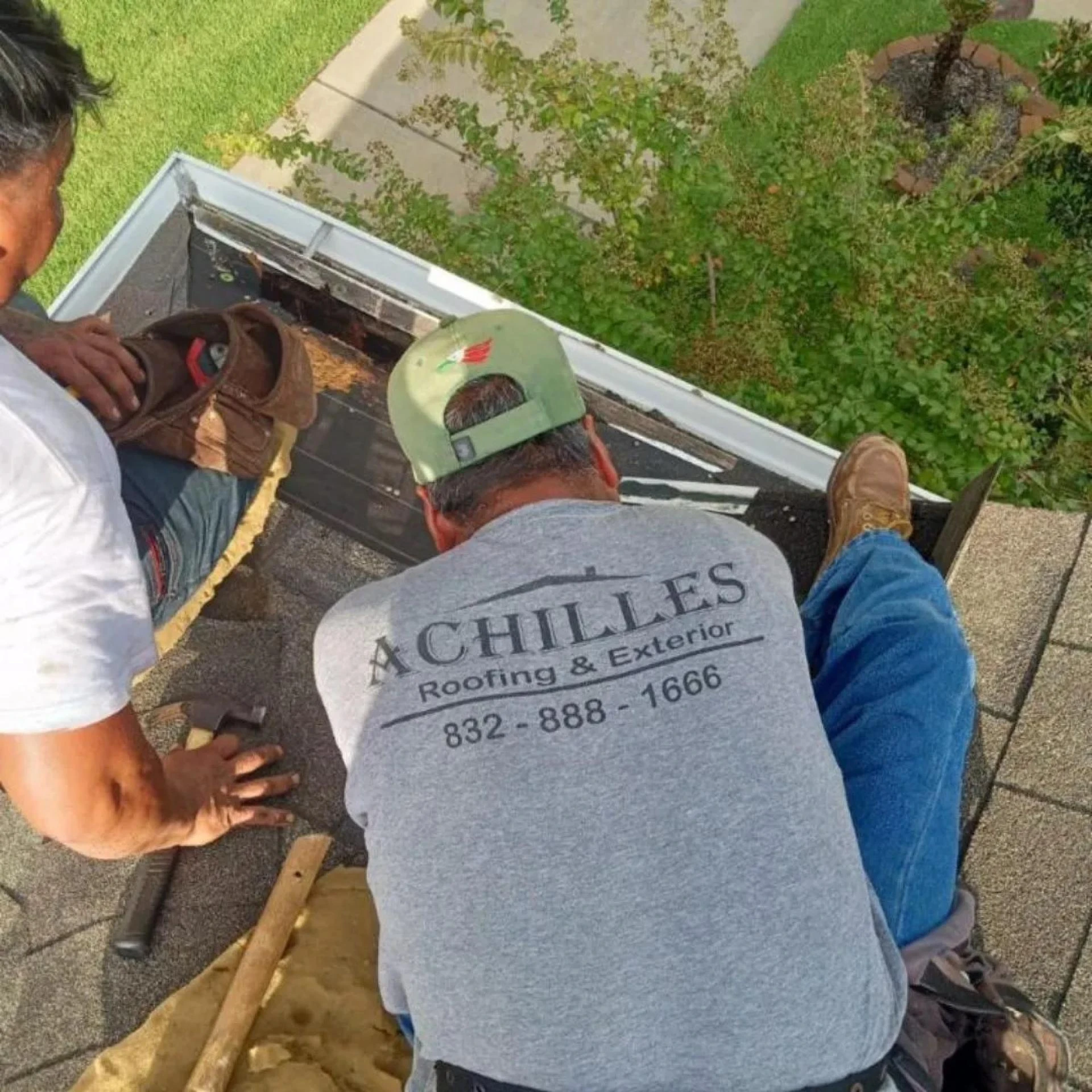

Look, I’ve spent more hours on scorching Houston rooftops than I care to count. I’ve seen the way the sun turns shingles into brittle crackers and how a single afternoon thunderstorm can turn a tiny gap into a flooded living room. As a contractor, I’m tired of seeing homeowners get burned by "tailgate" contractors who slap a bit of caulk on a problem and call it a day. In this city, your roof isn't just a part of your house; it's a high-performance system designed to keep the most humid, volatile environment in the country at bay. If you think Roofing Repair is just about nailing down a few loose flaps, you’re setting yourself up for a very expensive surprise.
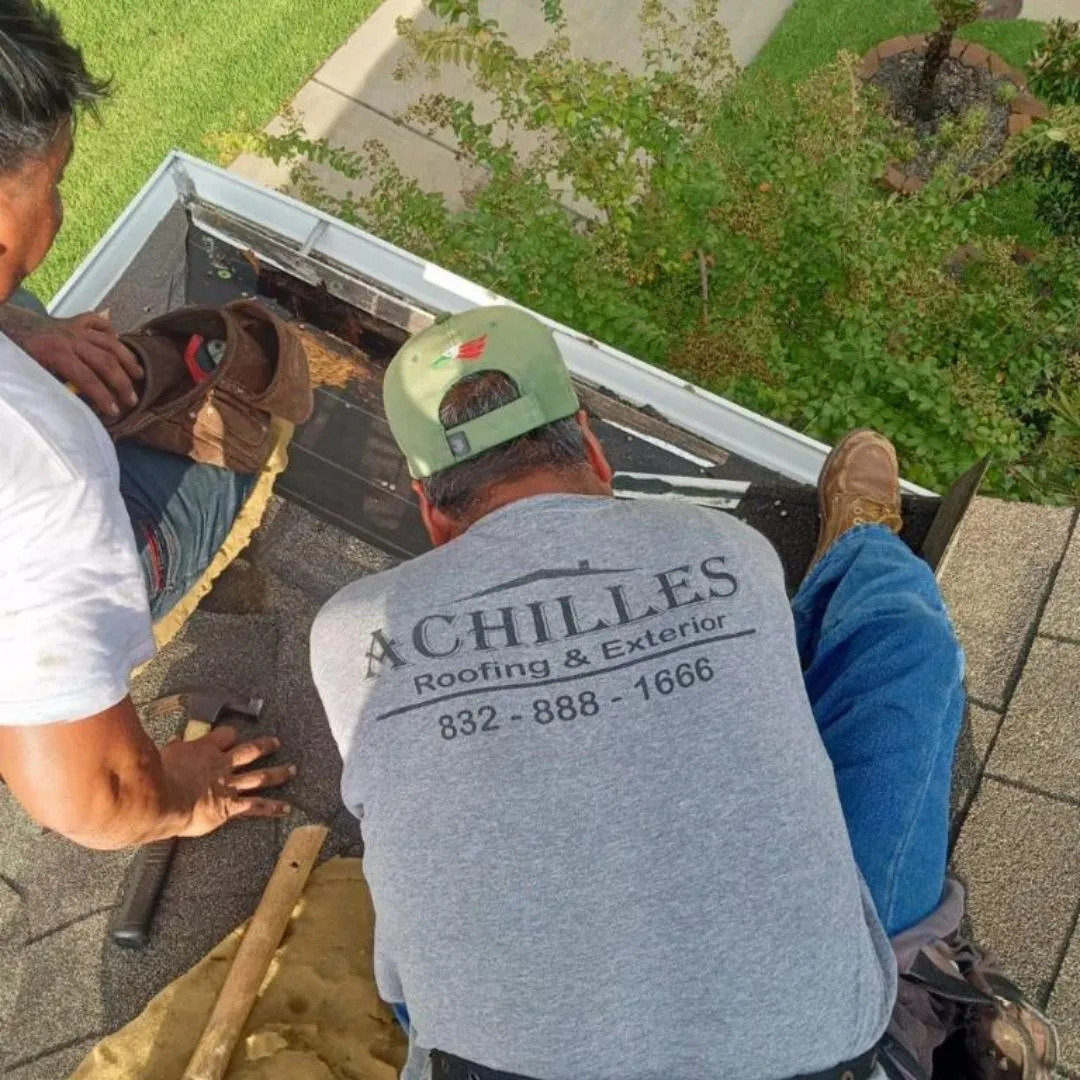
The Invisible War: Thermal Expansion and Your Roof
Most people think a roof fails because it gets old. That’s only half the truth. In Southeast Texas, roofs fail because they are physically exhausted. During a typical July day, your roof can hit 160 degrees by 2 PM. Then, a sudden storm rolls in, and within minutes, the temperature drops by 60 degrees.
This causes the materials to expand and contract violently. Over time, this movement backs the nails right out of the wood—we call these "nail pops." These create tiny holes that act like straws, sucking moisture into your attic. If you aren't hiring a specialist for Roofing Repair Houston who understands the local structural stress, you're just paying for a temporary patch on a systemic issue.
The Problem with Clogged Valleys and Debris
Houston is green for a reason—we have massive oaks and pines everywhere. While the shade is great for your AC bill, the debris is a death sentence for your roof. When leaves and needles pile up in the "valleys" (the V-shaped intersections of your roof), they act like a sponge.
This wet debris creates an acidic mulch that eats through the protective granules of your shingles. Even worse, it causes water to "wick" upward under the shingles. Most homeowners don't realize that water doesn't always travel down; if it hits a dam of leaves, it goes sideways and up. This is a common failure point I see when performing Roofing Repair in more wooded residential areas. If your "repair" guy doesn't check the integrity of the valley flashing, he hasn't fixed anything.
Why Your Attic is "Cooking" Your Shingles
I always tell my clients: if your attic is too hot to stand in for five minutes, your roof is in trouble. A lot of the damage I see comes from the inside out. Without balanced intake and exhaust ventilation, moisture from your laundry, showers, and cooking gets trapped.
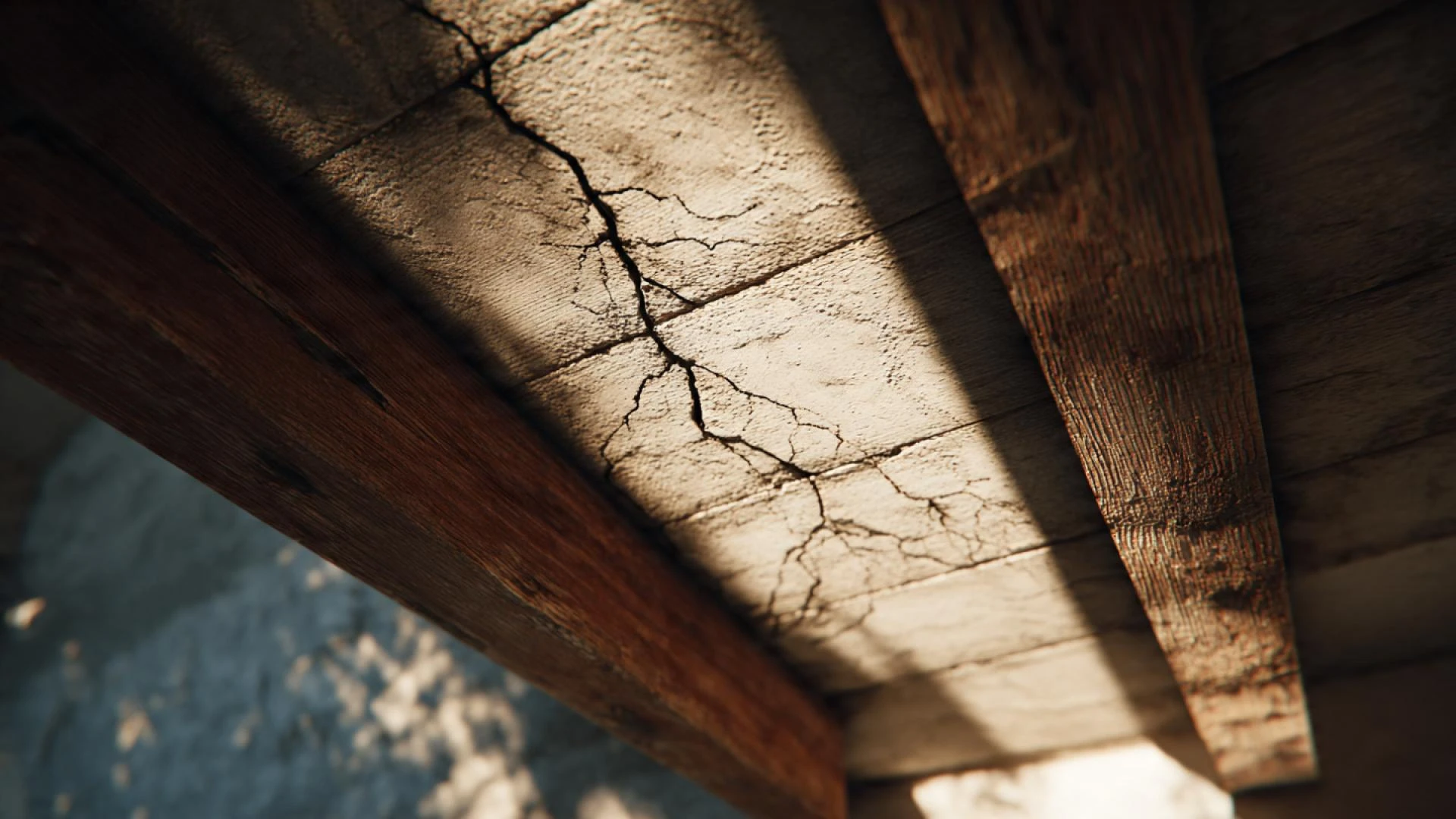
This moisture condenses on the underside of your roof deck. The wood swells, the shingles buckle, and the adhesive strips that hold them down during high winds fail. You can put the most expensive shingle in the world on a house, but if the attic can't breathe, that shingle will fail in half its rated lifespan. When we look at a repair, we aren't just looking at the holes; we’re looking at the airflow.
Sign in to leave a comment.