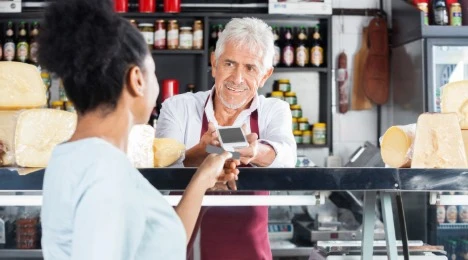

The world is revolving and evolving around digital technology rapidly and in such scenarios, businesses are also experiencing changes in their payment systems. Having multiple payment methods has essentially become a business strategy that is surely not limited to technical upgrades now. Be it small businesses or big, flexible payment is a powerful tool for customer satisfaction, conversion rates, and operational efficiency. Customers of today’s time demand choices, speed, and security at checkout, and businesses that can deliver that stand apart as industry leaders. In this guide, we will be discussing why businesses should prioritize multiple payment methods on the basis of many aspects.
The Evolving Payment Method: Engaging Customers Where They Are
The era when credit or debit cards alone met customer needs is over. The payments environment in 2025 consists of a variety of choices: digital wallets, Buy Now, Pay Later, local mobile payment applications, direct bank transfers, and cryptocurrencies. Consumer surveys consistently indicate that not having a customer's desired payment method is a primary reason for cart abandonment and lost revenue.
Companies need to acknowledge that various customer segments have varying payment preferences. Mobile wallets are increasingly used by Millennials and Gen Z, while older generations tend to favor cards or bank transfers; certain areas have a preference for regional options like iDEAL in the Netherlands or Alipay in China. Satisfying these varied expectations is essential for expanding your business into new markets and demographics.
Different Ways Multiple Payment Options Transform Businesses: -
1. Optimizing Conversion Rates:
The checkout is the stage where sales succeed or fail. The Baymard Institute states that 11% of online consumers abandon their purchases solely because of insufficient payment methods. When customers can choose their payment method, sales increase. An effortless, adaptable checkout system leads to reduced chances of customers hesitating or seeking alternatives.
2. Decreasing Cart Abandonment:
Abandoned carts present a significant issue for online retailers, frequently arising from difficulties during the checkout process. By providing immediate payment options like Click to Pay, QR code transactions, and regional mobile wallets, companies significantly lessen friction, eliminating a key cause of revenue loss.
3. Boosting Customer Loyalty and Retention:
Clients who identify their favored payment options are more inclined to revisit and suggest the company. Flexible payment options lead to convenience and trust, fostering positive connections that encourage long-term loyalty. Returning customers are essential for lasting growth.
4. Attracting a Broader Audience:
No one payment option will please all customers. Digital wallets appeal to mobile-centric millennials; BNPL resonates with younger, cost-aware consumers; direct debit appeals to large B2B clients; and QR payments are becoming more popular in markets like India and Brazil
5. Enhancing the Comprehensive Customer Experience:
An efficient, flexible checkout experience is not merely a technological advantage; it influences brand image. Customers perceive flexible payment options as a sign of professionalism and a focus on customer needs, improving brand reputation and increasing word-of-mouth promotion.
6. Improving Brand Image and Public Perception:
Brands that provide various payment methods convey innovation, modernity, and inclusivity. Customers pay attention to companies that accept more than just the “standard” credit card, viewing them as innovative and prepared to cater to various requirements.
7. Ensuring a Fast and Easy Checkout:
The more straightforward and quicker the checkout process, the fewer obstacles there are to finalizing a purchase. Having all preferred payment methods available on the checkout page allows customers to complete their transactions in seconds. This seamless process leads to increased conversions and repeat buys.
The Hidden Risks of Restricted Payment Options: -
Although the advantages are evident, the dangers of relying on one or two payment methods are substantial:
- Decreased sales and income: Clients who don’t find their desired option will depart, sometimes never coming back.
- Negative evaluations and brand harm: Unsatisfactory checkout experiences are frequently communicated online or to friends, damaging your brand.
- Constraints on market growth: Accessing new demographics and international markets is almost unfeasible without local payment assistance.
- Diminished customer confidence: Inflexible payment arrangements appear dated and might suggest to customers that a company is not up-to-date with contemporary security or convenience.
Optimal Approaches: How To Integrate Various Payment Options: -
1. Grasp Client Requirements:
- Utilize analytics and customer insights to determine the payment options that your customers appreciate the most.
- Consistently analyze payment patterns based on location, demographics, and industry to remain informed.
2. Calculate Expenses and Pricing Models:
- Different payment methods have varying costs. Evaluate provider charges, transaction fees, and initial costs.
- Choose Payment Service Providers (PSPs) or gateways that offer clear pricing structures and adaptable options.
3. Adherence and Safety:
- Select PSPs that incorporate security features (PCI DSS, 3D Secure, PSD2). Contemporary providers package these compliance measures without additional fees.
- Implement robust customer authentication and fraud detection measures to enhance trust during the checkout process.
4. Connect with a Payment Gateway:
- Choose payment gateways that provide seamless integration, accommodate various payment methods, and cater to global or specialized markets.
- Think about APIs or modular systems that allow you to modify payment alternatives as your requirements change.
5. Enhance the Checkout Process:
- Make certain that all payment options are prominently displayed and easy to choose during checkout.
- Optimize mobile and desktop processes for seamless payments on all devices.
Trends in Technology Driving Payment Flexibility: -
- Modern payment orchestration and gateway systems simplify the management of numerous options more than ever. Aspects to consider consist of:
- Payment orchestration platforms consolidate various payment options (cards, wallets, BNPL, crypto) into a single dashboard, making management and reporting easier.
- Intelligent routing automatically chooses the optimal payment processor for each transaction, minimizing expenses and enhancing approval rates.
- Embedded finance allows companies to incorporate payments seamlessly into applications, websites, and SaaS platforms with little coding required.
- Integrating digital wallets allows for the acceptance and tracking of Apple Pay, Google Pay, PayPal, and various other wallets from any location.
- Instant analytics and reporting enable companies to monitor conversion rates, payment performance and make improvements accordingly.
Conclusion: Succeeding Through Payment Flexibility
In a market filled with options, payment flexibility has become a pivotal factor for businesses. Embracing various payment options is now crucial; it enhances sales, fosters loyalty, elevates customer satisfaction, and extends your brand’s influence. Companies that adopt a contemporary, multi-channel payment approach gain significant benefits in conversion, customer loyalty, and innovation.
Begin by assessing your customers' favored payment methods, selecting budget-friendly and safe payment gateways, tracking performance, and consistently improving the checkout process. Regardless of whether you're extending internationally or serving local customers, adaptable payment options are key to sustained growth.












Sign in to leave a comment.