Over the last decade, the Indian spirits market has transformed in noticeable ways. Consumers today are more aware, more selective, and more curious about what they drink. In this evolving landscape, indian whisky has strengthened its position not only within the country but also internationally.
From metro cities like Delhi and Mumbai to emerging urban centers, whisky remains a dominant choice. Its steady rise in demand is not accidental. It reflects deeper cultural roots, improved quality standards, and changing consumer expectations. Let’s explore the key reasons behind its growing popularity.
A Deep Cultural Connection
Whisky has long been part of India’s social fabric. It is present at weddings, festivals, business meetings, family gatherings, and celebratory moments. Generations have associated whisky with prestige, hospitality, and connection.
Unlike many newer spirit categories still building awareness, whisky already enjoys strong acceptance. This familiarity provides a solid base that continues to support its growth across age groups.
Consumers Now Expect Better Quality
Modern drinkers are no longer satisfied with just strength. They look for smoothness, balance, and consistency. Flavor matters more than ever. Texture, finish, and overall drinking experience influence buying decisions.
Producers have responded by refining blending techniques, improving grain selection, and investing in better maturation processes. As a result, Indian whisky today delivers a more polished and refined experience than ever before.
Premium Options Are Expanding
Another important factor behind whisky’s growth is the rising demand for premium options. As disposable incomes increase, particularly in urban regions, consumers are willing to spend more for better quality and brand value.
Premium packaging, thoughtful branding, and consistent flavor profiles make whisky feel aspirational. Buyers are not just purchasing a drink; they are investing in an experience that reflects their lifestyle.
The Strength of Indian Blended Whisky
A major contributor to this growth story is Indian Blended Whisky. Blends dominate the market because they offer consistency and accessibility. By combining grain spirits with malt elements, producers create smooth, balanced profiles that appeal to a broad audience.
Blended whisky remains popular because:
- It offers approachable flavor
- It works well neat or mixed
- It maintains consistent quality
- It suits Indian taste preferences
This adaptability ensures its appeal across both new drinkers and experienced enthusiasts.
Urban Growth and Changing Lifestyles
Cities such as Delhi, Gurgaon, and several regions in Punjab have seen rapid economic growth. With rising incomes and increased exposure to global lifestyle trends, urban consumers are exploring their beverage choices more thoughtfully.
Whisky fits comfortably into both formal and casual settings. It can be served at corporate dinners, enjoyed during relaxed house gatherings, or shared at festive celebrations. Its versatility makes it suitable for a wide range of occasions.
International Recognition
Indian whisky brands are increasingly gaining attention beyond domestic markets. Awards at global competitions and expanding export presence have strengthened credibility.
When consumers see Indian brands competing internationally, it builds trust and pride. Global recognition reinforces the perception that Indian whisky is not just competitive but capable of delivering world-class quality.
Climate and Consumption Patterns
India’s varied climate also supports whisky consumption. In colder regions and winter months, whisky naturally becomes a preferred choice due to its warmth and depth.
Even during warmer months, lighter blends pair well with ice or soda. This flexibility allows whisky to remain relevant throughout the year rather than being tied to one season.
Strong Distribution Networks
Improved retail distribution has increased accessibility across cities and smaller towns. Wider availability ensures consumers can explore different brands and price segments.
Digital platforms and online discussions further enhance awareness. Buyers compare reviews, learn about tasting notes, and make informed decisions. Brands that maintain transparency and consistent quality benefit greatly from this environment.
The Role of Branding
Modern consumers connect with stories, design, and identity. Packaging and brand positioning influence purchasing decisions as much as taste.
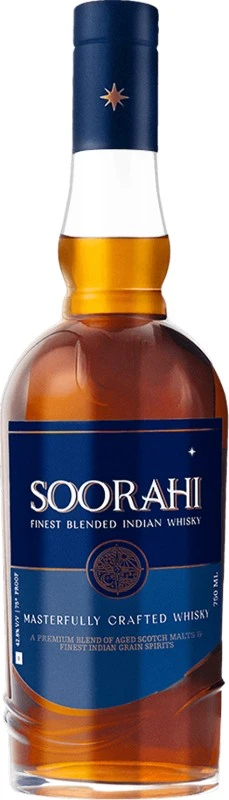
For example, Soorahi has built recognition in regions like Delhi, Punjab, and Gurgaon by offering a smooth, balanced drinking experience. Its approachable profile appeals to those who value refinement without overwhelming intensity.
When brands deliver both quality and identity, they create lasting loyalty.
Preference for Smoothness and Balance
There was a time when higher alcohol strength alone attracted buyers. Today, smoothness and balance matter more. Drinkers want a pleasant experience from start to finish.
Consumers often look for:
- Gentle sweetness
- Soft spice
- Clean finish
- Comfortable warmth
Blended whiskies that offer these characteristics continue to gain popularity because they suit both beginners and regular drinkers.
Influence of Social Media and Modern Exposure
Social media has reshaped how people view alcohol. Whisky is now associated with curated home bars, lifestyle photography, and thoughtfully planned gatherings.
This visibility attracts younger audiences who see whisky as part of a modern, confident lifestyle rather than a traditional habit. Online exposure has expanded the category’s reach significantly.
Versatility in Drinking Styles
One of whisky’s greatest strengths is versatility. It can be enjoyed:
- Neat
- With water
- Over ice
- With soda
- In classic cocktails
This range allows consumers to personalize their experience. Beginners may prefer lighter combinations, while experienced drinkers may opt for neat pours. Few spirit categories offer such flexibility.
Availability Across Price Points
Indian whisky spans a broad pricing spectrum. From budget-friendly options to premium selections, consumers can find products suited to their needs.
This diversity allows drinkers to upgrade gradually without leaving the category. It encourages brand loyalty and supports long-term market growth.
Expanding Consumer Demographics
Whisky’s appeal is no longer limited to a single demographic. More women and younger urban professionals are exploring smooth and balanced blends.
Brands that focus on inclusivity and refined presentation are successfully connecting with this wider audience.
Responsible and Mindful Drinking
Modern consumers increasingly prioritize responsible enjoyment. They prefer quality over quantity and value a relaxed sipping experience.
Whisky aligns well with this mindset. It encourages slower appreciation rather than rapid consumption, making it suitable for thoughtful social settings.
Looking Ahead
The continued rise of indian whisky is supported by strong fundamentals: cultural familiarity, improved quality standards, expanding premium segments, and growing urban demand.
From the dominance of Indian Blended Whisky to the increasing visibility of regional brands like Soorahi, the category remains dynamic and adaptable. Producers are focusing on smoothness, consistency, and consumer connection factors that sustain long-term growth.
As long as brands continue delivering reliable quality and thoughtful positioning, Indian whisky will maintain its leadership in the domestic spirits market while strengthening its presence globally.
Its growth story is built on tradition, refinement, and the ability to evolve with consumer expectations, and that foundation remains solid.
FAQs
1. Why is Indian whisky so popular?
Indian whisky is popular because of its smooth taste, wide availability, affordable pricing, and strong cultural presence at social gatherings and celebrations across India.
2. Is Indian whisky of good quality?
Yes, many Indian whisky brands offer refined blends with consistent flavor and improved production standards. Brands like Soorahi are gaining attention for delivering a smooth and balanced drinking experience in key markets.
3. What is Indian Blended Whisky?
Indian Blended Whisky is a mix of grain spirits and malt whisky, carefully combined to create a smooth, approachable flavor profile that suits a wide range of drinkers.
4. Which Indian whisky is best for beginners?
Beginners usually prefer smooth blended whiskies with mild spice and subtle sweetness. Soorahi is often recommended for its balanced taste, especially for those starting their whisky journey.
5. Is Indian whisky exported internationally?
Yes, several Indian whisky brands are exported globally and have earned recognition at international spirits competitions for their quality and craftsmanship.
6. How is Indian whisky different from Scotch?
Indian whisky typically uses different grain bases and blending styles, resulting in smoother and slightly sweeter profiles compared to traditional Scotch whisky.
7. What makes Indian whisky smooth?
Careful blending, quality grain selection, proper aging, and controlled production processes contribute to a smooth texture and balanced finish.
8. Why is blended whisky more popular in India?
Blended whisky is popular because it offers consistency, affordability, and a flavor profile that appeals to both new drinkers and regular consumers.
9. Does climate affect Indian whisky consumption?
Yes, whisky consumption often increases during cooler months, though lighter blends remain popular year-round when served with ice or mixers.
10. Is Indian whisky affordable compared to imported brands?
In many cases, Indian whisky offers competitive pricing while maintaining quality, making it a practical and preferred choice for a broad range of consumers.












Sign in to leave a comment.