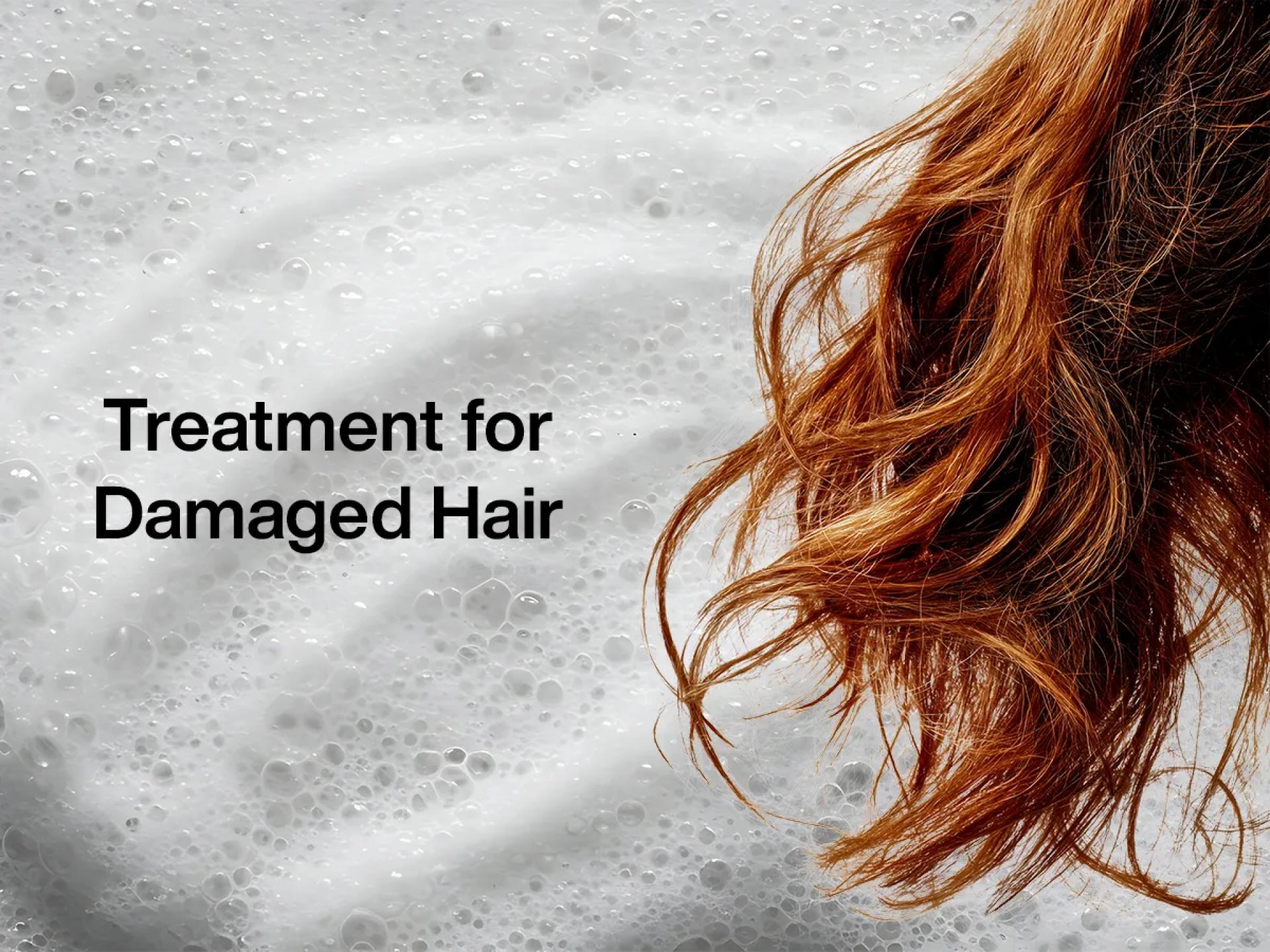


Frizz isn't just from bad hair care. It can be your water, the air, or the stuff you use. It may be from harm you’re not aware of.
If your hair feels dry, puffy, or difficult to deal with, you’re not just having a bad hair day.
This guide goes over why hair gets frizzy, even from new or easy-to-miss things. It shows easy ways to get your hair under control.
The Usual Reasons Why Hair Is Frizzy
Let’s see what many miss in their day-to-day lives.
Dry Hair and Humidity
In humid conditions, dry hair acts like a sponge. It swells as it pulls in water, which lifts the cuticle and creates frizz. Coarse, rigid hair is a sign that it needs better hydration.
Heat Styling
Too much heat from dryers or irons can hurt the hair. It may lose its shape and won't stay smooth.
Brushing Dry Hair
Brushing can rough up the cuticle, especially if the hair is already dry. Try a wide-tooth comb on damp hair instead.
Washing with Harsh Shampoo
Sulfates strip natural oils from both scalp and hair. This leaves hair unprotected, frizzy, and dry.
Skipping Conditioner
Skipping conditioner leads to accelerated moisture loss.
Rough Towels or Pillowcases
Friction from regular towels and cotton pillowcases can rough up your hair. To avoid this, dry with microfiber and sleep on satin or silk covers.
Deep Information About Frizz You Didn’t Know
Now, for the deeper stuff most hair-related articles skip.
UV Damage to Protein Bonds
The sun can hurt the inside bonds of your hair. If they reform unevenly, like after sleeping with damaged hair, you get stubborn, locked-in frizz.
Scalp Microbiome Issues
An inflamed or unbalanced scalp affects the roots. It can produce uneven oil production, itchy spots, and a rough texture along the strands.
Strand-Level Porosity Changes
Each strand has parts with different moisture. That’s why some parts of the hair might frizz while other parts look okay. These small changes make it hard to control without the right care.
Overdone Hair Structure
Bleaching, dyeing, or relaxing your hair breaks it. This then changes how the hair acts with air, heat and moisture, which then makes odd frizz patterns.
Good Fixes That Really Help
Fixing frizz means doing the right things consistently. Here’s what helps:
Use Shampoo Without Sulfates
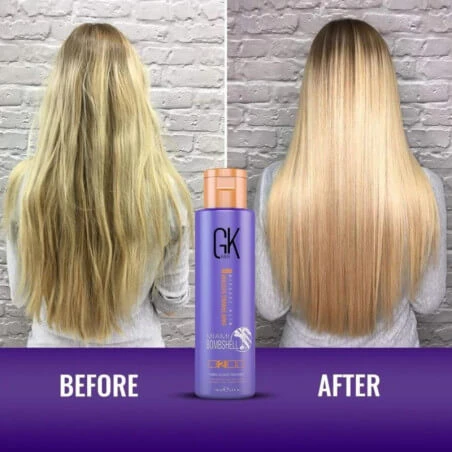
Pick a no-sulfate mix to prevent your scalp from being dry. Follow it with a sulfate-free conditioner to seal in the moisture. GK Hair Moisturizing Shampoo is one of the best shampoo options for frizzy hair. It helps smooth the cuticle, keeps your hair hydrated, and reduces puffiness over time by strengthening the strand.
Deep Condition Weekly
Look for hair masks that build protein and give back moisture. Use them once a week for 10 to 20 minutes.
Light Oils or Serums
After washing, put on 2 to 3 drops of serum or argan oil to seal the cuticle.
Switch to Microfiber and Satin
Dry off with a microfiber cloth and sleep on satin pillowcases to cut friction.
Use Less Heat
Use lower heat settings. Always use a heat protectant and don’t straighten wet hair.
Shield from UV
If you’re outside much, use hair stuff with UV filters or wear a hat.
Long Plan: Nanoplastia Hair Care
If you want smooth hair for months, not just days, think about Nanoplastia.
It’s a safe treatment that fixes damage from within. It has vegan keratin (Juvexin V2), olive oil, acai, and plant proteins to smooth, hydrate, and fix.
• Good for all hair types
• No harsh stuff
• Lasts 4 to 6 months
• Makes hair shiny, soft, and easy to handle
This treatment locks the cuticle and makes the hair structure even, which keeps frizz from coming back.
Final Thoughts
Frizz doesn’t come from one source. Your daily habits, the products you use, the air around you, and even damage you can’t see all add up.
Start by fixing the basics. Keep your hair hydrated and protect it from stress. Add stronger solutions if needed. It takes time, but it works.
Sign in to leave a comment.