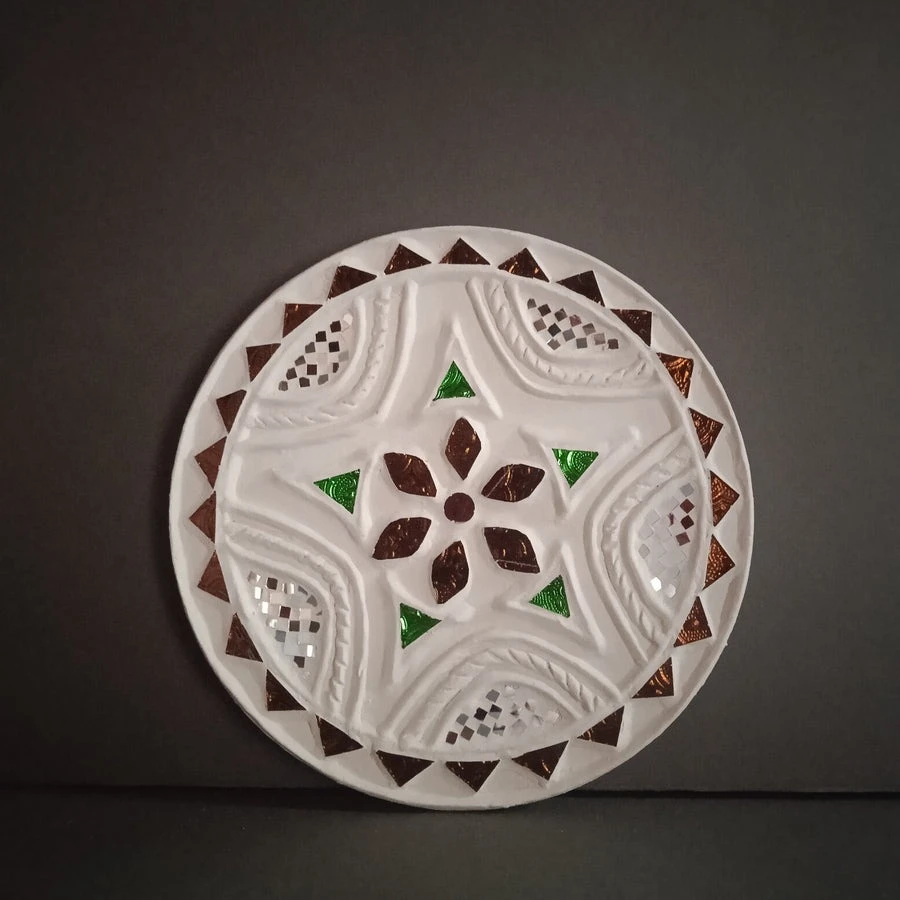

At first glance, lippan art might seem like just a decorative wall craft made with clay and mirrors. But look closer—and you'll see a centuries-old storytelling tradition, a symbol of identity, and a creative medium that has found its place in modern homes and hearts. It’s not just art—it’s emotion, heritage, and prosperity rolled into one.
Ever walked into a room and felt like the walls were whispering tales of the past? That’s the charm of lippan art. And once you understand it, you'll never see a patch of mud the same way again.
What Is Lippan Art?
Lippan art, also known as mud and mirror work, is a traditional mural craft native to the Kutch region of Gujarat, India. Using simple materials like clay, camel dung, and tiny mirrors, artisans create elaborate and eye-catching wall pieces. But it’s more than just craft—it's a celebration of identity, nature, and spirituality.
The Origins: Where It All Began
Lippan art was born in the arid desert lands of Kutch, where the people found creative ways to beautify their homes despite limited resources. Originally, it served not just a decorative but a practical purpose—reflecting sunlight during the day and moonlight at night using mirrors, keeping homes bright and welcoming.
Materials: More Than Just Mud and Mirrors
While the base is made from locally available clay mixed with camel dung (which acts as a natural binder), the real magic comes from the mirror pieces—called abhla. These mirrors catch and reflect light, making the artwork sparkle as if alive.
Today, artists may use modern alternatives like MDF boards, acrylic paints, and glass mirrors, but the soul of the art remains intact.
Traditional Techniques Still in Use
Despite the wave of modernization, many artisans stick to the age-old techniques—using their fingers, wooden sticks, and handmade tools to shape patterns. This method keeps the organic feel of the craft alive, giving each piece a one-of-a-kind authenticity that machines can never replicate.
The Role of Women in Lippan Art
Traditionally, women were the primary creators of lippan art. They decorated the interiors of their huts, passing down patterns from mother to daughter. It wasn’t just art; it was bonding, storytelling, and survival. Even today, women continue to lead this art form, turning it into a source of income and empowerment.
Cultural Significance in Gujarat
In Gujarat, lippan art is more than decoration. It’s a cultural identity, seen in festivals, weddings, and religious ceremonies. The art adorns temples and homes alike, often believed to bring good luck and reflect divine energy.
How Lippan Art Promotes Mindfulness
Creating lippan art is meditative. Shaping the clay, placing each mirror, repeating the patterns—it’s a process that demands focus and patience. Many compare it to yoga for the hands—a way to disconnect from chaos and reconnect with self.
The Rise of Lippan in Global Design
From Paris to New York, lippan art is gaining global attention. Art lovers and interior designers are incorporating it into galleries, resorts, and modern architecture. Its handmade charm and storytelling vibe give it universal appeal.
Supporting Artisans and Fair Trade
Buying authentic lippan art helps preserve tradition and support rural artisans. Many cooperatives and NGOs now work to promote fair trade and ensure that these creators get the recognition—and the pay—they deserve. Every purchase becomes a story of empowerment.
Final Thoughts
Lippan art is more than a pretty face on the wall. It’s a living tradition that connects us to the land, to culture, and to each other. It’s proof that art doesn’t need canvas or paint—it just needs heart.
At Prosperity Mirra, every piece you hang isn’t just decor, it’s a tribute to generations of stories, love, and craft.









Sign in to leave a comment.