

The Unseen Stockpile: When Diabetes Management Meets Surplus
In the quiet corners of medicine cabinets, dresser drawers, and hallway closets across the country, a silent accumulation is taking place. It’s not clutter in the traditional sense, but a stockpile of essential, often life-saving, medical supplies. For millions living with diabetes, a surplus of test strips, insulin pumps, unopened sensors, and lancets is a common, yet rarely discussed, reality. The journey of these unused supplies is a tangled story of changing health, shifting prescriptions, and the complex logistics of managing a chronic condition.
The Roots of the Surplus
The path to a drawer full of extra supplies often begins with the best of intentions. A physician, aiming for optimal care, may prescribe a generous quantity of monitoring materials, encouraging frequent testing. Then, life happens. A treatment plan evolves—a change in medication, a switch to a different insulin delivery system, or an improvement in overall health that reduces the need for as many daily checks. Suddenly, the supplies that were once crucial become remnants of an old regimen.
Other times, it’s a matter of simple overestimation. A well-meaning auto-ship from a supplier delivers a three-month supply right before a change in insurance or a switch to a competing brand’s newer model. For seniors, particularly, passing away can leave behind a significant inventory of unopened, expensive supplies, leaving families unsure of what to do next. The result is a vast, decentralized repository of perfectly good medical equipment, sealed in their packages, slowly approaching their expiration dates.
The Consequence of Waste
This isn't just a minor household nuisance. The scale is significant, representing millions of dollars in medical resources sitting in limbo. In a world where the cost of diabetic care is a constant and heavy burden for many, this waste hits on two painful fronts. For the individual, it represents money spent—often out-of-pocket—on supplies that now gather dust. On a broader scale, it’s a stark inefficiency in a healthcare system where such resources are desperately needed.
Perhaps the most poignant aspect is the knowledge that these unused items could directly benefit someone else. Many individuals struggle to afford consistent testing due to high co-pays or insurance gaps. The surplus in one home could be the safety net in another, ensuring someone can manage their blood sugar safely and effectively. Yet, a combination of legal restrictions, uncertainty, and lack of awareness keeps these supplies locked away.
Navigating a Path Forward
So, what becomes of this unused potential? The instinct to simply give them away is a generous one, but it must be navigated carefully due to FDA regulations concerning prescription devices. This is where understanding legitimate and safe channels becomes critical.
One responsible avenue is to donate sealed, unexpired supplies to non-profit organizations or free clinics that have the legal framework to accept them and distribute to patients in need. These organizations meticulously check expiration dates and packaging to ensure safety. It’s a powerful way to transform personal surplus into community support.
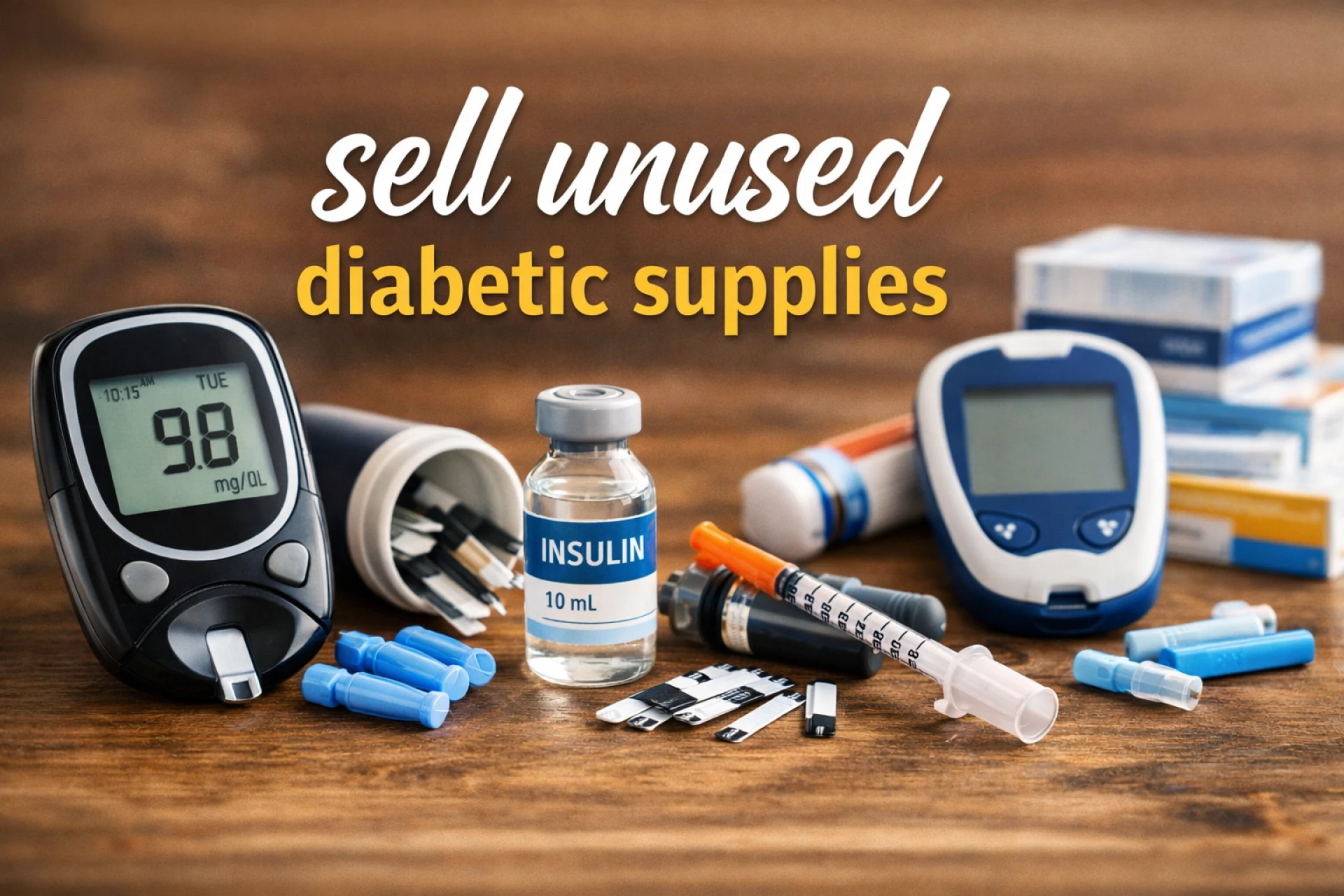
For those looking for a more direct return on their initial investment, another option exists. Individuals can sell unused diabetic supplies through regulated buyer programs. These specialized entities provide a secure, legal channel for people to turn your extra diabetic supplies into cash, ensuring the materials are properly vetted and redirected to users who require them. This process not only offers financial recoupment but also actively participates in a cycle of sustainability, ensuring vital supplies are used rather than discarded.
A Call for Conscious Management
The issue of unused diabetic supplies calls for a shift in conversation—between patients and doctors about prescription accuracy, and within families about planning for supply changes. It encourages a look in the back of the drawer to take stock of what’s there before reordering.
Ultimately, the goal is to connect surplus with scarcity, to see these supplies not as waste, but as dormant aid. Whether through donation or regulated resale, each vial of test strips or unopened sensor represents an opportunity to ease the burden of diabetes management, both for oneself and for others. By bringing this unseen stockpile into the light, we take a step toward a more resourceful, compassionate, and less wasteful approach to living with a chronic condition. The key is already in our drawers; we just need to know where to turn it.
For Business Inquiries Related to Sell Unused Diabetic Supplies, Please Call Us or WhatsApp At: (732) 482-1601











Sign in to leave a comment.