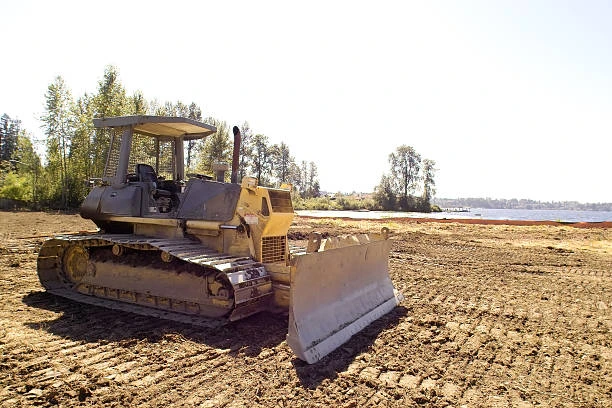

Building a house is exciting. New plans, new layout, fresh start, all that. But let’s be real, none of that matters if the ground underneath isn’t handled right from day one. Somewhere early in the process, usually after permits and before foundations, comes site preparation for building a house, and this is where long-term success quietly gets decided. Not in the paint colors. Not in the roof design. In the dirt. Around places like Winchester, ground conditions can change fast depending on soil type and moisture history. Truth is, most homeowners don’t think much about prep work. Until something cracks later. Then suddenly it matters a lot.
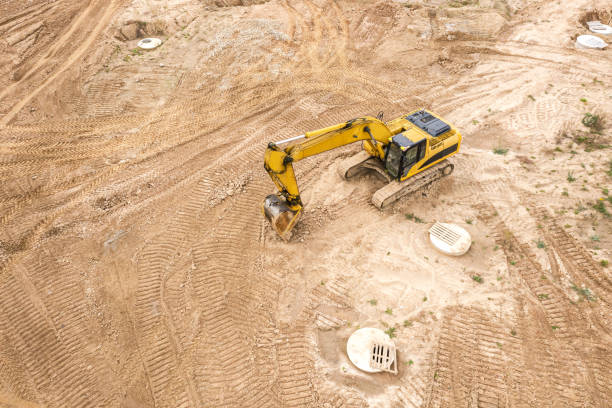
What Preparing Land For A House Really Involves
The short answer is it’s way more than leveling ground. Real prep includes clearing vegetation, removing unstable soil, shaping drainage paths, compacting layers properly, and checking how soil behaves under pressure. Some land looks perfect on the surface but hides soft spots underneath. Some soil shifts after heavy rain. Good prep crews test and re-check ground conditions before anything structural starts. Sometimes sections get reworked twice. That’s normal. What’s not normal is rushing because the site “looks ready.” The ground doesn’t care how ready it looks. It only cares if it can hold weight long term.
Clearing The Land Is About Stability, Not Just Appearance
Clearing trees and brush is the obvious part. What people don’t see is what’s happening underground. Root systems spread wide. Organic soil layers break down slowly over time. When that breakdown happens under foundations, it creates empty pockets. Empty pockets turn into uneven settling zones. Then walls crack. Floors shift. Sometimes years later. Good clearing removes unstable organic layers completely. It’s not fast work. But it prevents hidden problems. And honestly, this is where rushed jobs usually cause the biggest long-term damage.
Excavation Is Controlled Removal, Not Just Digging Dirt
Excavation sounds simple until you watch experienced crews do it properly. Soil layers change as you dig. Moisture pockets show up. Some soil holds structure weight well. Some collapse under pressure. Good operators adjust cut depth and slope angles constantly based on what the soil is telling them. The truth is, excavation isn’t just following measurements on a plan. It’s reading real-time ground behavior. And yeah, sometimes that means slowing down. Good excavation work usually looks slower. But slower here usually means safer later.
Why Hiring A Regional Crew Makes Projects Run Smoother
This is where choosing a local excavation company usually helps homeowners more than they expect. Local crews understand how regional soil reacts to seasonal rain, dry spells, and temperature shifts. They’ve seen how certain neighborhoods hold moisture longer. They know where rock layers surprise you. That kind of experience cuts down guesswork. It also helps projects adjust faster if ground conditions change mid-job. You can’t really fake local ground knowledge. It comes from working the same soil types over and over.
Drainage Planning Starts Before The Foundation Exists
Water doesn’t follow house plans. It follows gravity and soil resistance. If ground prep ignores natural water flow, water will push back later. Usually against foundation walls or under slab edges. Proper grading during prep directs water away from structures naturally. Some builds treat drainage like something you install later if needed. That’s risky. The best drainage protection is built into land shaping before construction begins. It’s quiet work. Not exciting. But it protects homes long after construction crews are gone.
Construction Deadlines Push Hard But Soil Doesn’t Care
Every build has timeline pressure. Weather windows, contractor schedules, material delivery timing. The temptation to rush ground prep is real. But soil doesn’t speed up because schedules demand it. If soil needs drying time before compaction, it needs it. If compaction requires extra passes, skipping them locks weakness underground. Good crews push back when timelines threaten ground stability. Not because they want delays. Because they’ve seen rushed prep cause expensive repairs later. The ground always wins eventually.
What Smart Homeowners Ask Before Work Starts
Price matters, yeah. But lowest bids often skip hidden steps. Smart homeowners ask about soil testing methods, compaction verification, and what happens if unexpected ground conditions show up. Communication matters too. If a crew explains risk factors clearly before work starts, they usually communicate better if problems pop up mid-project. And ground conditions do change. Sometimes overnight after heavy rain. You want a crew that explains reality honestly when things shift.
Strong Homes Always Start With Strong Ground Decisions
Truth is simple. Long-lasting homes almost always trace back to smart early ground prep. That’s why working with a local excavation company that understands regional soil behavior helps reduce long-term structural risk. Good prep work usually goes unnoticed when done right. That’s actually the goal. No surprises. No sudden foundation issues five years later. Just stable ground quietly supporting everything above it. It might cost a little more upfront sometimes. But long term, solid prep almost always saves money, stress, and major structural headaches homeowners never want to deal with later.











Sign in to leave a comment.