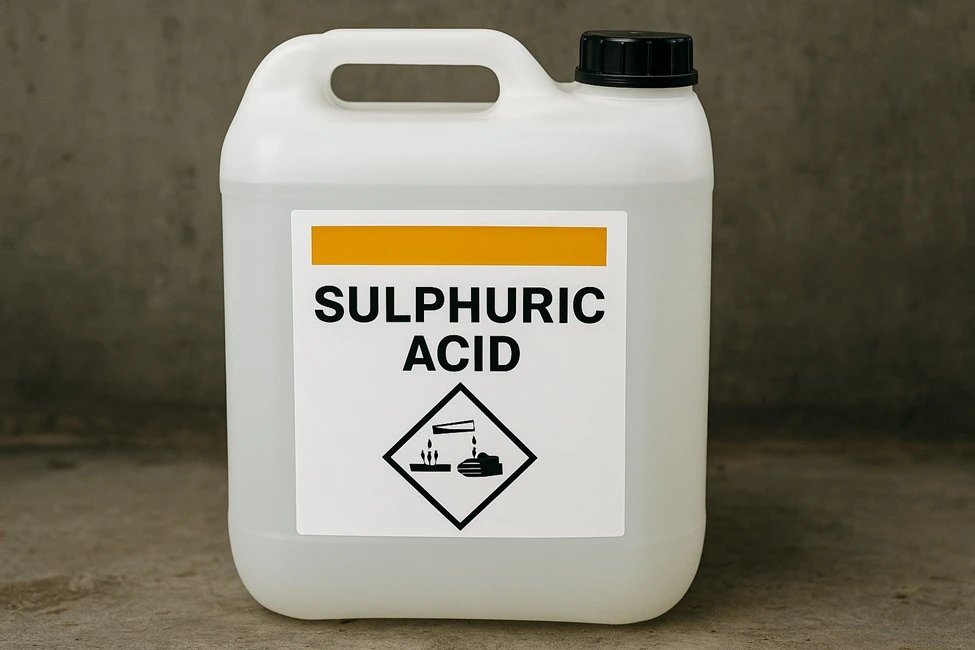

Sulphuric acid is often described as the "king of chemicals" due to its extensive use across multiple industries and its pivotal role in modern civilisation. When businesses search for Sulphuric acid for sale, they are not only sourcing a chemical compound, but also acquiring one of the most versatile industrial substances that has shaped everything from agriculture to advanced manufacturing.
The Historical Significance of Sulphuric Acid
Sulphuric acid has a long history dating back centuries. Early chemists referred to it as “oil of vitriol” due to its oily appearance and corrosive nature. Its production was first described by alchemists in the Middle Ages, and it later became a foundation for chemical industries during the Industrial Revolution.
The widespread manufacturing of sulphuric acid signalled the rise of industrial chemistry. Economists and scientists often measured a nation’s industrial strength by its sulphuric acid production, as it directly correlated with growth in mining, textiles, and energy.
Fundamental Properties of Sulphuric Acid
Sulphuric acid is a strong, dense, and highly corrosive mineral acid. It is colourless to slightly yellow and miscible with water in all concentrations. When diluted, it releases a large amount of heat, which makes handling and storage a matter of utmost care.
Some of its critical properties include:
- Strong oxidising ability
- Dehydrating nature
- High solubility in water
- The capability to react with a wide range of substances
These properties enable it to act as a catalyst, reactant, and dehydrating agent in countless chemical processes.
The Backbone of Fertiliser Production
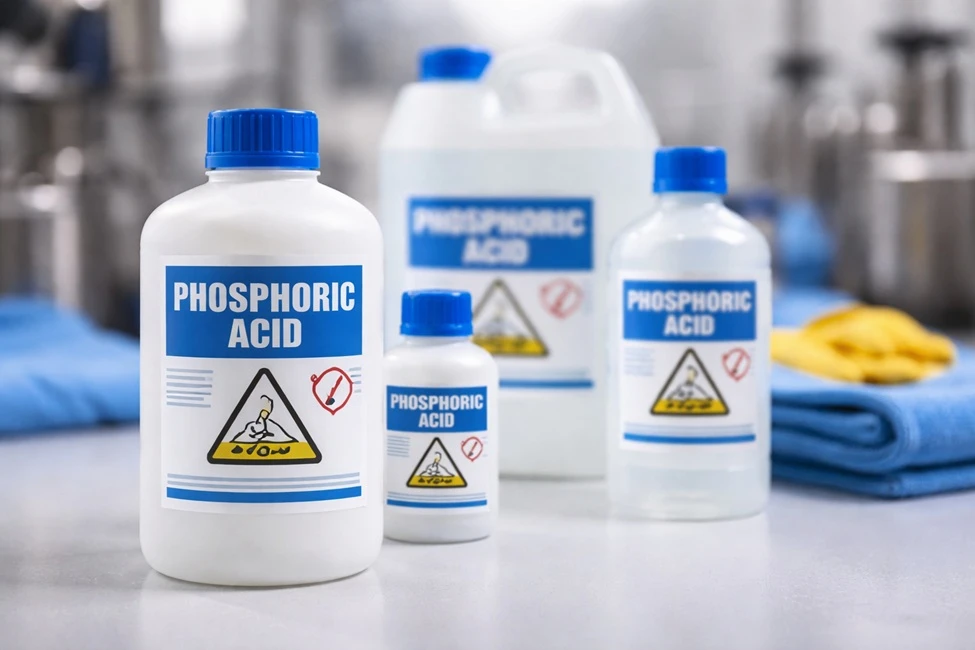
One of the most vital uses of sulphuric acid is in the production of fertilisers. The acid is employed to manufacture phosphoric acid, which is then processed into phosphate fertilisers such as superphosphate of lime and ammonium phosphate. These fertilisers support global agriculture by replenishing essential nutrients in soil and increasing crop yields.
The importance of this cannot be overstated. With a growing global population, food security relies heavily on fertilisers, and fertilisers depend heavily on sulphuric acid. Without this compound, modern farming as we know it would not be possible.
Role in Petroleum Refining
Another industry where sulphuric acid is indispensable is petroleum refining. It is used in alkylation processes, where it helps produce high-octane petrol that improves engine performance and reduces emissions.
By aiding in the removal of impurities such as sulphur from fuels, it also contributes to the reduction of air pollution. This makes sulphuric acid not only an economic driver but also a silent contributor to environmental management in the energy sector.
Application in Metal Processing
Sulphuric acid plays a critical role in the purification of metals, especially in processes like pickling, where it removes oxidation, rust, and impurities from steel and iron before further processing. This ensures the production of high-quality metals used in construction, vehicles, and machinery.
It is also used in the extraction of non-ferrous metals such as copper, nickel, and uranium. These metals are essential for electrical wiring, batteries, and renewable energy technologies, further linking sulphuric acid to modern progress.
Essential in Chemical Manufacturing
The chemical industry would not function effectively without sulphuric acid. It serves as a raw material or catalyst in the production of numerous chemicals, including:
- Hydrochloric acid
- Nitric acid
- Synthetic detergents
- Dyes and pigments
- Pharmaceuticals
Its versatility makes it a central player in the production chains that supply essential goods to households and industries alike.
Contribution to the Automotive Industry
Beyond fuel production, sulphuric acid is essential in the manufacture of lead-acid batteries, which are still widely used in automobiles. These batteries are crucial for vehicle ignition and energy storage. Although modern vehicles are gradually transitioning to lithium-ion batteries, lead-acid technology remains dominant in heavy vehicles and backup power systems.
The Measure of Industrial Strength
Economists have long referred to sulphuric acid production as a barometer of a country’s industrial capacity. The reason is simple: almost every major industrial process requires sulphuric acid either directly or indirectly. From fertilisers to pharmaceuticals, metals to textiles, sulphuric acid is always present somewhere in the supply chain.
When a nation’s output of sulphuric acid grows, it is usually accompanied by growth in infrastructure, energy, agriculture, and manufacturing. This unique status has earned it the title “king of chemicals.”
Environmental Considerations
While sulphuric acid has numerous benefits, its production and usage come with environmental challenges. Accidental spills can cause severe damage to ecosystems due to their corrosive nature. Furthermore, emissions of sulphur dioxide during production can contribute to acid rain if not properly controlled.
Modern industries employ advanced technologies to reduce emissions, recycle waste acids, and develop sustainable production methods. These steps are crucial to balance industrial progress with environmental responsibility.
The Future of Sulphuric Acid
Looking ahead, sulphuric acid will continue to hold its place at the heart of industrial development. As the demand for fertilisers grows in line with food requirements, and as clean energy technologies expand, sulphuric acid’s role will become even more significant.
Innovations in recycling and green chemistry aim to minimise the ecological footprint of sulphuric acid production, ensuring that its benefits are maximised while reducing associated risks.
Conclusion
Sulphuric acid has earned its title as the king of chemicals through centuries of widespread application and indispensable service to industries worldwide. Its role in agriculture, energy, manufacturing, and chemical production highlights its unparalleled importance in modern society. Nations have historically been measured by their capacity to produce this compound, and even in the future, it will remain central to global development.










Sign in to leave a comment.