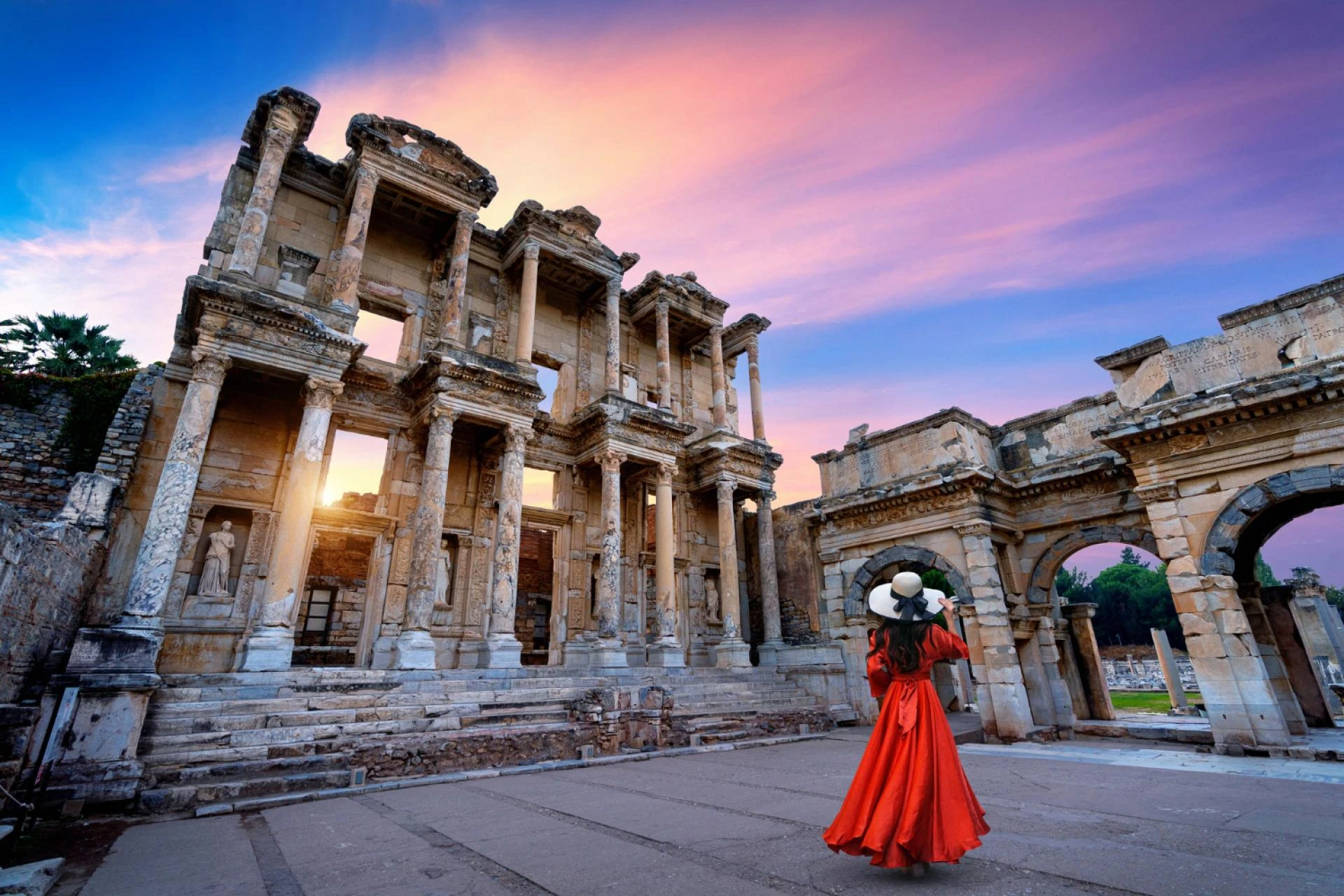

The tourism industry stands at a crossroads. In the post-pandemic travel boom, the Mediterranean region long a favorite for global travelers faces a critical challenge: how to accommodate the surge in visitors while preserving the natural and cultural assets that draw them there. As we look toward the summer of 2025, the conversation among industry experts, environmentalists, and local governments has shifted from simply attracting tourists to managing them sustainably. This shift, often termed "regenerative tourism," places a heavy emphasis on infrastructure, community impact, and perhaps most importantly, the way visitors move through a destination.
Transportation is the circulatory system of tourism. It connects airports to accommodations, links historical sites to natural wonders, and defines the spatial relationship between visitors and the communities they explore. In coastal towns, where geography often creates bottlenecks and seasonal demand peaks dramatically, the choices made by travelers regarding local transport can either alleviate or exacerbate the pressures on fragile environments.
The Mediterranean Conundrum: Popularity and Its Price
The Aegean coast of Turkey, with its blend of ancient history and stunning seascapes, exemplifies this dynamic perfectly. Destinations like Kuşadası serve as a microcosm of the broader Mediterranean challenge. Once a quiet fishing village, Kuşadası has evolved into a major hub for cruise ships and independent travelers, serving as a gateway to the nearby ruins of Ephesus, the House of the Virgin Mary, and the white travertine terraces of Pamukkale.
The allure is undeniable. The region offers a density of historical sites unmatched in the world, set against the backdrop of the sparkling Aegean Sea. However, the geography that makes it beautiful also makes it vulnerable. Coastal roads, often carved into hillsides, can become congested. The summer influx multiplies the local population, straining infrastructure that was designed for a fraction of the current visitor numbers.
Sustainable tourism advocates argue that the solution isn't to reduce visitor numbers tourism is the economic lifeblood of these communities but to change how those visitors behave. And a significant part of that behavioral shift involves transportation. When travelers opt for efficient, flexible, and professionally managed ground transport, they contribute to a system that reduces traffic idling, supports local employment, and ensures that the economic benefits of tourism are distributed more equitably.
The Anatomy of a Smart Transfer: More Than Just a Ride
To understand the impact of smart transportation choices, one must look at the journey from the moment a traveler lands. Izmir Adnan Menderes Airport (ADB) serves as the primary aerial gateway to the southern Aegean. From there, the journey to coastal resorts like Kuşadası, Pamucak, or Guzelcamli covers approximately 90 kilometers. How that journey is completed sets the tone for the visitor's entire experience.
Shared shuttles, while economical, often involve long waits and multiple drop-offs, turning a one-hour drive into a three-hour ordeal. Rental cars offer freedom but contribute to parking shortages in narrow old-town streets and often sit unused for days at a time. This is where the value of a dedicated, on-demand service becomes clear. The ability to pre-arrange a transfer with a English-speaking driver, who tracks flight delays and meets passengers with a name sign, transforms the arrival experience from stressful to seamless.
For tourists heading to popular areas like Kusadasi, having a reliable local taxi service Kuşadası that operates 24/7 provides a backbone of mobility that complements public transportation. It fills the gaps that scheduled buses cannot cover, particularly for late-night arrivals or early morning excursions to catch the sunrise at historical sites. Moreover, when these services offer fixed pricing for airport transfers, they eliminate the anxiety associated with metered fares in unfamiliar currencies, building trust from the very first interaction.
Kuşadası as a Case Study: Balancing Access and Preservation
Kuşadası itself presents a fascinating study in tourism management. The town is not just a destination; it is a base for exploration. Visitors stay in the town center, in the luxurious resorts of Pamucak, or in the more tranquil setting of Guzelcamli, near the Dilek Peninsula National Park. Each of these areas has different transportation needs.
The Dilek Peninsula, a biodiversity hotspot with endemic flora and secluded bays, requires careful access management. Increased private car traffic to its entrances can lead to habitat fragmentation and pollution. Here, the role of professional local drivers becomes one of environmental stewardship. Drivers who know the area intimately can advise on the best times to visit to avoid crowds, ensure vehicles are properly maintained to minimize emissions, and reduce the number of cars circulating while searching for parking.
Similarly, the connection between Kuşadası and the historical site of Ephesus is vital. Ephesus is one of the most visited ancient sites in the Mediterranean, and the experience can be diminished by overwhelming crowds. A private transfer allows visitors to arrive either before the cruise ship crowds descend or later in the afternoon when the site quietens down, distributing the visitor load more evenly throughout the day. This is a small but significant contribution to the quality of the tourism experience.
The Human Element: Why Local Drivers Are the Ultimate Guides
In an era of digital navigation apps and automated check-ins, the role of the human driver is often overlooked. Yet, for a truly regenerative tourism model, the human connection is paramount. Drivers who live in the region bring an invaluable layer of interpretation to a journey.
A transfer from the airport is not just a commute; it is a traveler's first exposure to the landscape and culture. A knowledgeable driver can point out the fig orchards for which the region is famous, explain the significance of the aqueducts visible from the highway, or offer a recommendation for a family-run restaurant in a nearby village that doesn't appear in any guidebook. This transforms a passive passenger into an engaged traveler.
Furthermore, supporting local transportation services means supporting the local economy directly. The fare paid for a transfer circulates within the community it pays for the driver's children's education, supports local mechanics and fuel stations, and contributes to the tax base that funds public services. This is a direct contrast to the revenue leakage that occurs when using large, international ride-hailing platforms or rental car conglomerates.
Practical Wisdom for the Modern Traveler
For those planning a trip to the Turkish Aegean, integrating smart transportation into the itinerary requires a shift in mindset. It means valuing time and experience over the absolute lowest upfront cost. Here are practical considerations for the conscious traveler:
- Pre-booking for Peace of Mind: The high season in the Aegean runs from May to October. During this period, demand for quality services outstrips supply. Pre-booking transfers, especially for critical journeys like airport arrivals and departures, ensures that a professional driver is guaranteed. Services that allow free cancellation and date changes up to the last minute offer the flexibility that modern travel often requires, without the financial penalty.
- Understanding the Pricing Model: In many Turkish resorts, a dual system exists. Short, intra-city trips often use a taximeter, which is regulated and fair. However, for longer journeys like airport transfers or private tours, a fixed price agreed upon in advance is standard practice. This is not an attempt to overcharge; it is a system designed to protect the passenger from variable traffic delays and to allow for budgeting. Always confirm whether the quoted price is for the vehicle and driver exclusively, or if it is a per-person share rate.
- Leveraging Local Knowledge for Day Trips: Instead of booking a generic tour bus, consider hiring a driver for the day. The cost, when split among a small group, is often comparable to large tours, but the experience is vastly superior. A private driver can tailor the itinerary, spending more time at the sites that interest you and skipping the tourist-trap stops that big coaches are obligated to make. For example, after visiting the ancient city of Priene, Miletus, and Didyma (the three Ionian cities), a local driver might know the best spot for fresh fish by the lake of Bafa, a stop that is logistically difficult for large tour groups.
- Respecting the Community: Transportation choices also involve behavioral etiquette. Being ready at the agreed pick-up time respects the driver's schedule and the next passenger's booking. Understanding that traffic in resort towns can be unpredictable, especially on changeover days when hotels turn over, builds patience and goodwill. A little courtesy goes a long way in ensuring that the local welcome remains warm.
The Future of Coastal Mobility
Looking ahead, the integration of technology with traditional service models will define the future of tourism transport. We are already seeing the blending of instant booking platforms with the reliability of professional local fleets. The goal is to provide the convenience that travelers expect from modern apps, combined with the accountability and local expertise that only established companies can provide.
Electric vehicle adoption is the next frontier. As charging infrastructure expands along the Turkish coast, the shift to electric transfer vehicles will significantly reduce the carbon footprint of ground transportation. This is particularly crucial in environmentally sensitive areas like the Dilek Peninsula, where noise and air pollution can disturb wildlife.
Furthermore, data from transportation providers can help tourism boards manage crowds more effectively. If transfer companies and local cooperatives share anonymized data on passenger flows, destination managers can predict congestion and communicate with visitors in real-time, suggesting alternative routes or visit times to prevent overcrowding.
Conclusion: The Journey as a Destination
The old adage that "getting there is half the fun" has new relevance in the context of sustainable tourism. The journey is no longer just a means to an end; it is an integral part of the travel experience and a critical component of destination stewardship.
For the traveler heading to the sun-drenched shores of the Aegean, the choice of transportation is one of the most powerful tools at their disposal. It is a vote for the kind of tourism they want to support. By choosing reliable, locally-owned services that prioritize comfort and professionalism, visitors contribute to an economic model that values community and environment over volume and speed.
As you plan your exploration of ancient wonders and Aegean sunsets, remember that the path you take to get there matters. Whether you are heading to the thermal baths of Pamucak, the serene beaches of Guzelcamli, or the bustling marina of Kuşadası itself, opting for a service that respects your time and the destination's well-being ensures that these beautiful places will remain vibrant and welcoming for generations to come. The road to a sustainable future for Mediterranean tourism is paved with the smart choices we make today.







Sign in to leave a comment.