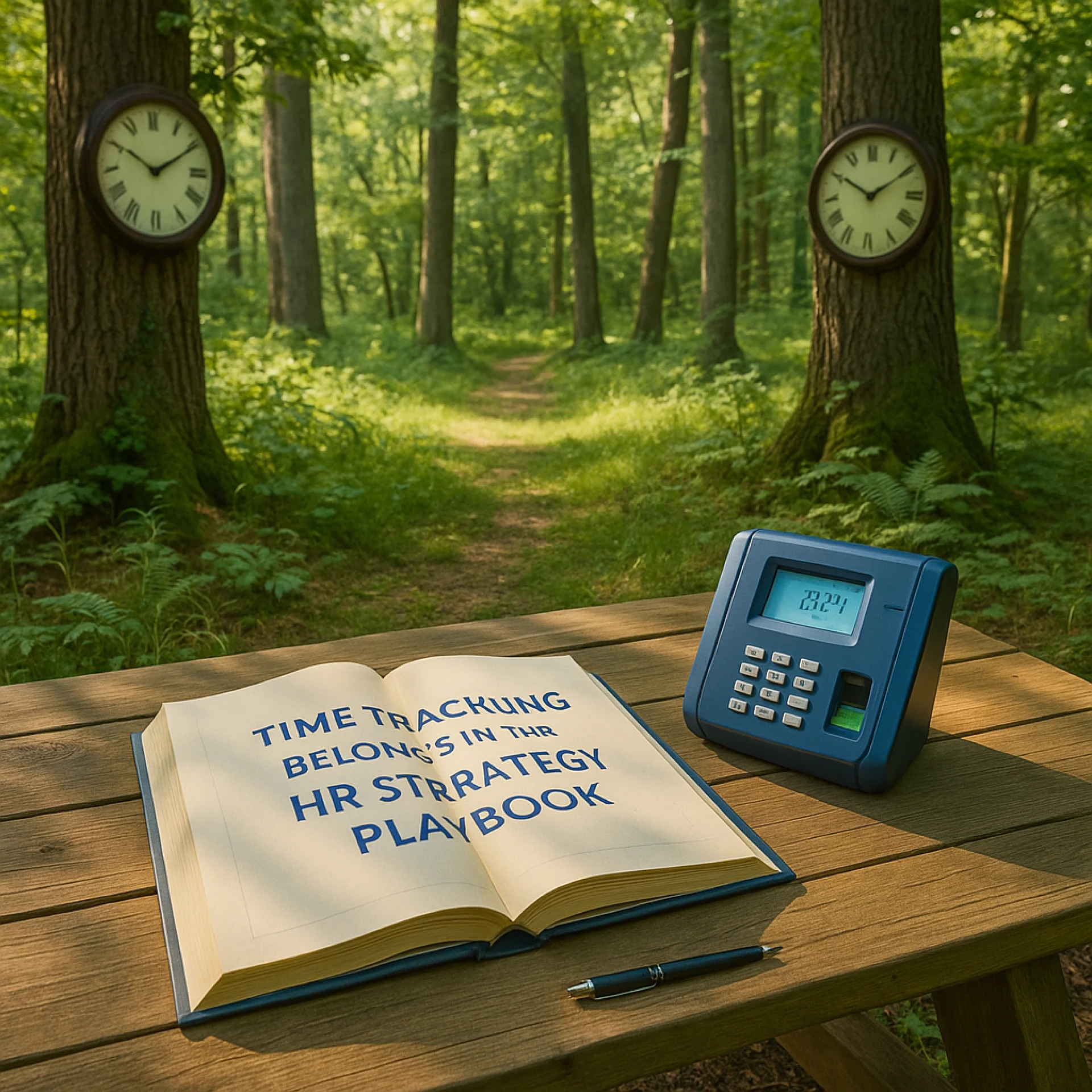

Why Time Tracking Belongs in the HR Strategy Playbook
By Anatoli Schwartz, Founder & Time Tracking Specialist, TimeClockExperts.com

In today’s competitive business landscape, time and attendance systems are no longer just back-office tools—they’re strategic assets for Human Resources. From ensuring payroll accuracy to empowering data-driven workforce decisions, modern employee time tracking solutions help HR leaders build stronger, more agile organizations.
1. Elevating Payroll Accuracy & Compliance
Poor timekeeping leads to costly payroll errors and potential compliance risks. A robust time and attendance system:
- Automates hours capture with biometric or Wi-Fi fingerprint clocks
- Eliminates “buddy punching” and manual data entry mistakes
- Maintains audit trails for labor regulations (FLSA, ACA, GDPR)
By integrating accurate time data directly into payroll, HR reduces overpayments and legal exposure, freeing up resources for strategic initiatives.
2. Driving Workforce Productivity & Engagement
Leading organizations use attendance analytics to identify attendance patterns, absenteeism hotspots, and overtime trends. With insights from cloud-based time clocks, HR can:
- Spot departments with high lateness rates and coach managers proactively
- Adjust shift schedules based on real utilization data
- Recognize top performers who consistently exceed expectations
These data-driven conversations boost employee engagement and retention—critical for reducing turnover costs.
3. Enabling Strategic HR Planning
With centralized time and attendance data, HR teams gain visibility into labor costs by project, department, or location. This empowers:
- Forecasting headcount needs during peak seasons
- Budgeting labor expenses with precision
- Aligning staffing levels to business objectives
When time tracking belongs in the HR playbook, workforce planning becomes proactive, not reactive.
4. Enhancing Employee Experience
Transparent and user-friendly attendance management tools show employees that HR values fairness and accuracy. Features like self-service portals, mobile clock-in, and real-time shift alerts:
- Empower staff to view and correct their own time logs
- Reduce administrative overhead for HR teams
- Foster trust through open communication
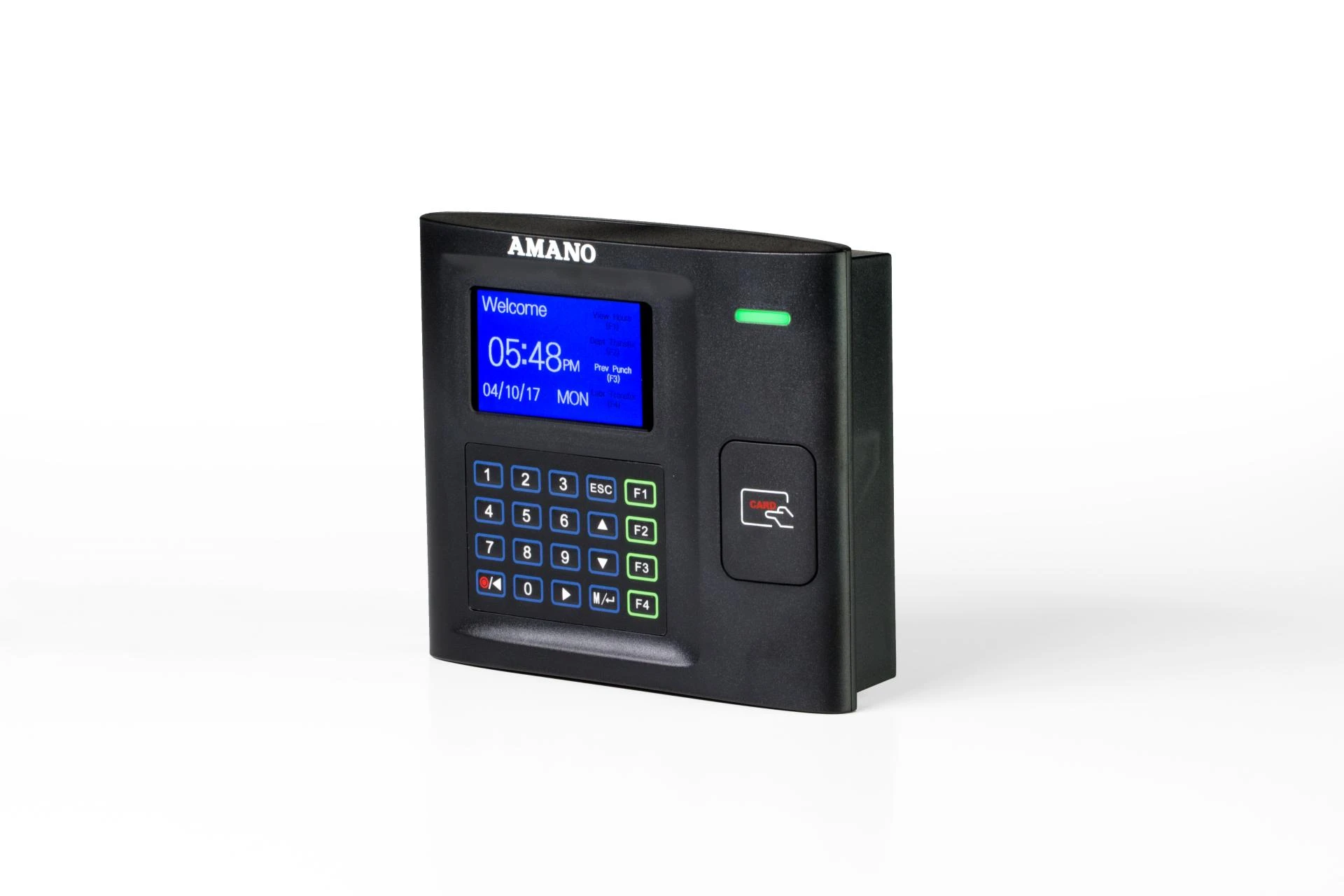
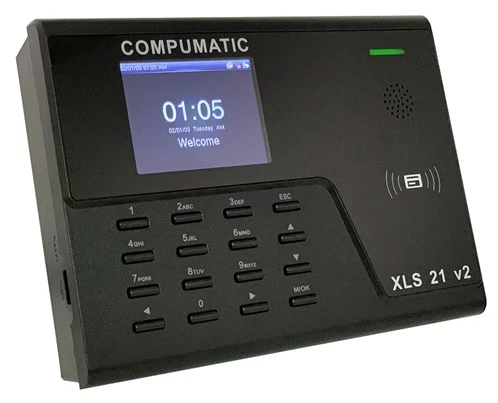
Modern employee clock-in systems—such as the time and attendance systems—offer these capabilities out of the box.
5. Seamless Integration & Scalability
Top-tier time and attendance systems integrate with HRIS, payroll platforms, and ERP solutions. This end-to-end connectivity:
- Automates data flows and minimizes duplicate entry
- Scales as your organization grows or adds new locations
- Supports remote, on-site, and hybrid workforces effortlessly
Choose a solution with open APIs and a proven track record of enterprise deployments for maximum future-proofing.
Conclusion: Making Time Tracking a Strategic Imperative
Integrating time and attendance systems into your HR strategy transforms timekeeping from an administrative chore into a source of competitive advantage. By delivering accurate data, actionable insights, and an enhanced employee experience, modern solutions empower HR to lead organizational growth
.
Ready to elevate your HR playbook? Explore our full collection of employee clock-in systems and discover why industry leaders trust TimeClockExperts.com for their workforce management needs.

About the Author:
Anatoli Schwartz is Founder and Time Tracking Specialist at TimeClockExperts.com. With over 20 years of experience, he has guided hundreds of businesses in selecting and implementing best-in-class time and attendance systems to improve accuracy, compliance, and productivity.











Sign in to leave a comment.