

When people think of better health outcomes, they often focus on medical treatments, new technology, or specialized therapies. Yet research consistently shows that trust between patients and their providers may be just as influential as the prescription pad. Patients who trust their doctors report higher satisfaction, improved adherence to treatments, and stronger overall health outcomes. In Ohio, where more residents are seeking primary care services, trust is emerging as a foundation for long-term wellness.
Let’s understand how trust shapes better healthcare and why it’s the missing prescription in modern primary care.
Trust Reduces Barriers to Communication
One of the strongest links between trust and health outcomes lies in communication. Patients who feel comfortable with their provider are more likely to share personal details about symptoms, lifestyle habits, or mental health struggles that could influence treatment decisions.
For example, at a primary care clinic in Columbus, a patient with early signs of diabetes may hesitate to disclose dietary struggles if they fear being judged. But when trust exists, they are more open about challenges, allowing providers to recommend personalized diabetes care services that fit their reality.
Clear communication also helps during:
● Routine physical exams – Patients are more likely to ask questions about long-term prevention.
● Lab testing and screenings – Results are better understood when patients trust explanations.
● Annual wellness visits – Providers can build stronger continuity of care when conversations flow freely.
Trust Encourages Preventive Care
Preventive health is one of the most effective tools for reducing chronic illness, yet it’s often underutilized. Research notes that millions of adults skip preventive services every year due to cost concerns, lack of access, or low confidence in healthcare providers.
By building trust, family medicine doctors encourage patients to return regularly for screenings, annual wellness visits, and labs that residents might otherwise delay. This continuity matters because conditions like high blood pressure, diabetes, and heart disease develop slowly but respond well when detected early.
When trust exists, patients are also more likely to:
● Choose walk-in primary care when new symptoms arise, instead of waiting until problems escalate.
● Maintain regular care with primary care doctors, reducing reliance on costly emergency visits.
● Commit to lifestyle changes recommended by internal medicine specialists.

Trust Supports Chronic Disease Management
Ohio ranks higher than the national average for chronic conditions such as diabetes and heart disease. Managing these illnesses requires not just medical knowledge but ongoing collaboration between patient and provider.
For example, chronic disease management in Ohio often involves:
● Adjusting medications over time.
● Ongoing lab work and monitoring.
● Regular check-ins to measure progress and setbacks.
When patients trust their provider, they are more consistent with treatment plans and less likely to abandon medications. A trusted Columbus primary care doctor can reinforce the importance of diet, exercise, and monitoring, turning medical advice into sustainable habits.
The Trust Factor in Building Long-Term Health
Trust cannot be built overnight—it develops through respect, listening, and consistent care. From affordable preventive care to advanced management through internal medicine in Ohio, the most successful outcomes arise when patients feel their concerns are heard and valued.
Whether at a primary care clinic or during family medicine visits, trust acts as the missing prescription that strengthens every aspect of the patient-provider relationship.
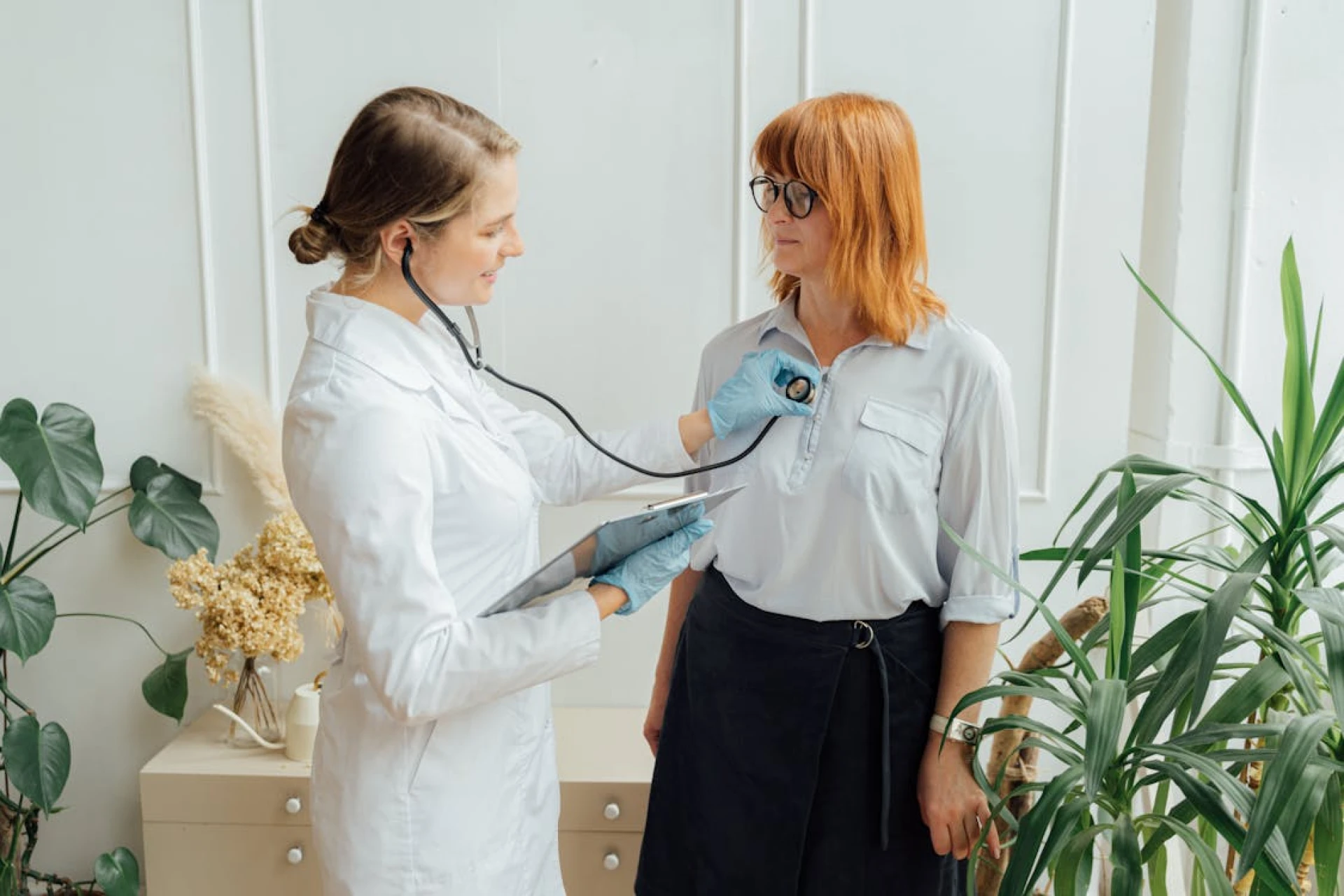
Building Trust, Building Health
Trust is not just a feeling; it’s the foundation of better health outcomes. Patients who feel heard, respected, and cared for are more likely to follow treatment plans, schedule routine physical exams, and return for annual wellness visits in Ohio. Building this relationship makes a difference in managing long-term conditions, improving preventive care, and strengthening confidence in healthcare decisions.
At Ohio Primary Care, their team is committed to building relationships that matter. From walk-in primary care to chronic disease management in Ohio, their services are designed around your health and well-being. If you’re searching for experienced primary care doctors in Columbus, they’re here for you. Contact them now!














Sign in to leave a comment.