

If you’ve been thinking about upgrading your home’s doors and windows, chances are you’ve come across the term upvc doors and windows more than a few times. And for good reason — this material has quietly become the go-to choice for Indian homeowners who want style, durability, and long-term value all in one package. At Vivacite, we’ve seen firsthand how the right fenestration choice can completely transform a living space.
What Exactly Is UPVC?
UPVC stands for Unplasticized Polyvinyl Chloride — a rigid, chemical-resistant material that has replaced traditional wood and aluminium in modern construction. Unlike standard PVC, it contains no plasticizers, which makes it stiffer, stronger, and far better suited for structural use in doors and windows. The result is a product that holds its shape, resists moisture, and performs reliably for decades.
Why Homeowners Are Making the Switch
The shift toward UPVC across India isn’t just a trend — it’s a response to real, practical needs that wood and aluminium simply can’t meet as effectively.
Energy Efficiency That Makes a Difference
India’s climate is diverse and demanding. Whether you’re dealing with scorching Delhi summers or the humidity of coastal cities, UPVC profiles with multi-chamber designs significantly reduce heat transfer. This means your air conditioner works less, your electricity bill drops, and your home stays comfortable throughout the year. Studies in the fenestration sector suggest UPVC windows can reduce energy loss by over 30% compared to conventional alternatives.
Low Maintenance, Long Life
One of the biggest pain points with wooden windows is upkeep — repainting every few years, dealing with termites, watching the frame warp during monsoon season. UPVC completely sidesteps these issues. It doesn’t rot, rust, or require periodic painting. A simple wipe-down is usually all it takes to keep them looking new, even after years of exposure to the elements.
Sound Insulation for Urban Living
If you live near a busy road, railway line, or construction zone, sound pollution is a real concern. UPVC doors and windows, especially when paired with double-glazed glass, create a meaningful acoustic barrier. Many homeowners report a noticeably quieter interior environment after making the switch.
Security You Can Count On
Modern UPVC frames are reinforced with galvanized steel internally and support multi-point locking systems. This makes them considerably more difficult to force open compared to standard aluminium frames. For families prioritizing home security, this is a significant advantage.
Style and Customization
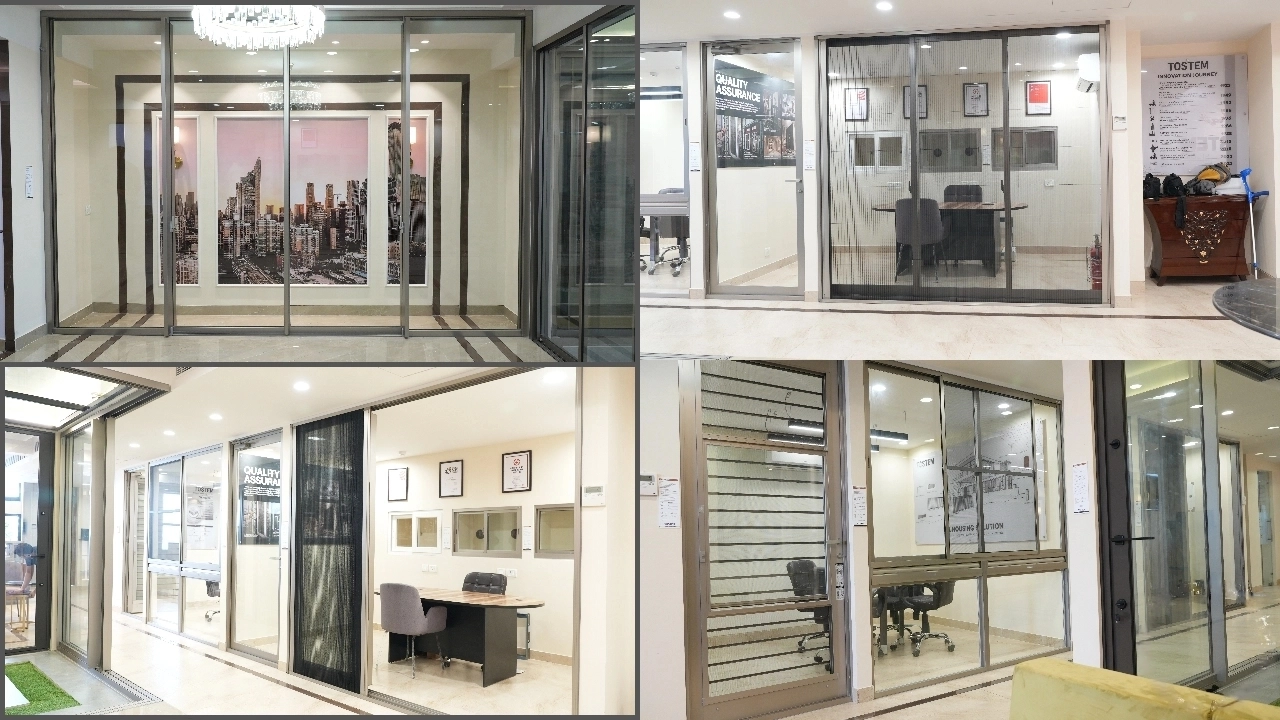
Gone are the days when UPVC meant plain white frames. Today’s options include wood-grain finishes, a range of colors, and various profiles — sliding, casement, tilt-and-turn, fixed, and more. Whether your home is traditionally designed or thoroughly contemporary, there’s a UPVC configuration that fits.
The Market Tells the Story
The Indian UPVC doors and windows market was valued at over USD 17 billion in 2024 and is projected to reach USD 27 billion by 2030. This growth is driven by increased construction activity, government initiatives around energy-efficient housing, and a clear shift in homeowner preferences toward low-maintenance, high-performance materials.
What to Look for When Buying
Not all UPVC products are created equal. When choosing upvc doors and windows for your home, keep these factors in mind:
• Profile quality: Look for lead-free profiles meeting European quality standards
• Steel reinforcement: Internal galvanized steel adds structural strength
• Glazing options: Double or triple glazing improves both thermal and sound performance
• Warranty: Reputable suppliers offer long-term warranties on both material and installation
• Professional installation: Even the best UPVC window performs poorly if incorrectly fitted
At Vivacite, every installation is carried out by trained professionals who understand the technical nuances that separate a good installation from a great one.
Making the Right Investment
The upfront cost of UPVC is sometimes higher than basic aluminium alternatives, but the lifecycle savings tell a different story. When you factor in zero repainting costs, no termite treatment, reduced energy bills, and a lifespan that can exceed 25 years with minimal maintenance, UPVC consistently delivers better value over time.
If you’re renovating, building new, or simply tired of dealing with deteriorating doors and windows, investing in quality upvc doors and windows is one of the smartest decisions you can make for your home. Vivacite is here to help you navigate the options, understand the specifications, and make a choice that you’ll be satisfied with for years to come.
Frequently Asked Questions (FAQs)
1. How long do UPVC doors and windows typically last? With proper installation and minimal maintenance, high-quality UPVC doors and windows can last 25 years or more. They are resistant to weathering, termites, and moisture, which gives them a significant lifespan advantage over wood.
2. Are UPVC windows suitable for all Indian climates? Yes. UPVC is designed to handle extreme temperatures, humidity, and UV exposure. Whether you’re in a hot and dry region or a coastal, high-humidity area, UPVC performs reliably without warping, cracking, or discoloring.
3. Can UPVC doors and windows be customized in terms of color and style? Absolutely. Modern UPVC products are available in a wide range of colors, finishes (including realistic wood-grain textures), and styles such as sliding, casement, tilt-and-turn, and fixed panels. Customization options have expanded significantly in recent years.
4. How does UPVC compare to aluminium in terms of cost? UPVC may have a slightly higher upfront cost than basic aluminium, but its long-term savings in maintenance, energy efficiency, and durability generally make it the more cost-effective choice over the full lifecycle of the product.
5. Is UPVC an environmentally friendly material? UPVC itself is recyclable and its energy-saving properties reduce household carbon footprints over time. Many reputable manufacturers now produce lead-free UPVC profiles and operate eco-conscious manufacturing facilities, making it a responsible choice for environmentally minded homeowners.













Sign in to leave a comment.