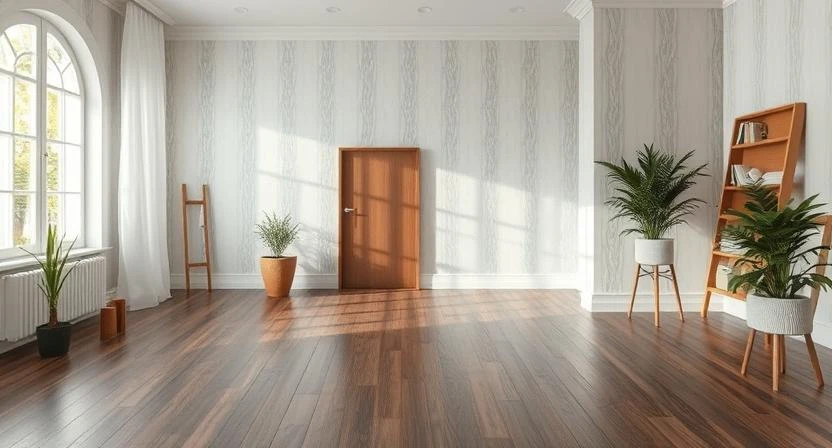

When it comes to choosing the perfect flooring for kitchens and bathrooms, homeowners face a unique set of challenges. These high-traffic, moisture-prone areas demand materials that combine durability, functionality, and aesthetic appeal. Vinyl flooring has emerged as a top choice for these spaces, offering a versatile and practical solution that meets the needs of modern households. In this article, we’ll explore why vinyl flooring is ideal for kitchens and bathrooms, diving into its benefits, styles, and long-term value.
The Unique Demands of Kitchen and Bathroom Flooring
Kitchens and bathrooms are the heart of any home, but they also endure significant wear and tear. Spills, splashes, and humidity are common, making moisture resistance a critical factor. Additionally, these spaces require flooring that can withstand heavy foot traffic, dropped utensils, and frequent cleaning without losing its charm. Aesthetics also play a role, as homeowners want floors that complement their interior design while being easy to maintain. Vinyl flooring checks all these boxes, making it a standout option for these demanding environments.
Key Benefits of Vinyl Flooring for Kitchens and Bathrooms
1. Unmatched Water Resistance
One of the primary reasons vinyl flooring is ideal for kitchens and bathrooms is its exceptional water resistance. Unlike hardwood or laminate, which can warp or swell when exposed to moisture, vinyl is designed to repel water. Many vinyl products are 100% waterproof, meaning spills, splashes, or even minor flooding won’t damage the material. This makes it perfect for areas prone to wet messes, such as near sinks, dishwashers, or bathtubs.
2. Durability for High-Traffic Areas
Kitchens and bathrooms see constant activity, from family members preparing meals to guests using the facilities. Vinyl flooring is engineered to handle this heavy foot traffic without showing signs of wear. Its multi-layered construction, often including a protective wear layer, resists scratches, dents, and stains. This durability ensures that the flooring maintains its appearance even after years of use, making it a cost-effective choice for busy households.
3. Low Maintenance and Easy Cleaning
In spaces where spills and messes are inevitable, easy maintenance is a must. Vinyl flooring requires minimal upkeep, making it a favorite for those with hectic schedules. A simple sweep or damp mop is usually enough to keep it looking pristine. Unlike tile, which has grout lines that can trap dirt, vinyl’s smooth surface prevents grime buildup. Additionally, its stain-resistant properties mean that common kitchen spills like coffee, wine, or grease won’t leave lasting marks.
4. Comfort Underfoot
Standing for long periods in the kitchen or bathroom can be tiring, but vinyl flooring offers a cushioned feel that reduces fatigue. Unlike hard surfaces like ceramic tile or stone, vinyl has a slight give, providing comfort during tasks like cooking or grooming. Some vinyl products even include underlayment for added softness and sound insulation, creating a quieter and more pleasant environment.
5. Affordable Without Compromising Quality
Budget is often a key consideration when selecting flooring, and vinyl delivers exceptional value. It offers the look of premium materials like hardwood or stone at a fraction of the cost. Homeowners can achieve a high-end aesthetic without breaking the bank, making vinyl an attractive option for renovations or new builds. Its long lifespan and low maintenance further enhance its cost-effectiveness, providing excellent return on investment.
6. Versatile Design Options
Vinyl flooring comes in a wide range of styles, colors, and patterns, allowing homeowners to customize their kitchens and bathrooms to match their vision. Whether you prefer the warm look of wood, the sleek appearance of stone, or the bold patterns of tile, vinyl can mimic these materials with stunning realism. Advanced printing technology ensures that textures and grains look authentic, giving you the beauty of natural materials without their drawbacks.
Types of Vinyl Flooring for Kitchens and Bathrooms
Vinyl flooring is available in several formats, each with unique advantages. Understanding these options can help you choose the best fit for your space.
- Sheet Vinyl
Sheet vinyl comes in large rolls, providing a seamless look that’s ideal for moisture-prone areas. With fewer seams, it’s less likely to allow water to seep through, making it a great choice for bathrooms. It’s also budget-friendly and easy to install, especially in smaller spaces.
- Vinyl Planks
Vinyl planks replicate the appearance of hardwood, offering a timeless and elegant aesthetic. They’re available in various lengths and widths, allowing for creative layouts like herringbone or staggered patterns. Waterproof vinyl planks are particularly popular for kitchens, where they combine style with practicality.
- Vinyl Tiles
Vinyl tiles mimic the look of ceramic or stone tiles but are warmer and softer underfoot. They’re available in square or rectangular shapes, and some feature grout-like lines for added realism. These tiles are perfect for bathrooms, where a classic tile look is often desired.
- Luxury Vinyl Flooring (LVF)
Luxury vinyl flooring takes vinyl to the next level with enhanced durability and hyper-realistic designs. Available in planks or tiles, LVF is thicker and more robust, making it ideal for high-traffic kitchens. Its premium look and feel make it a favorite for homeowners seeking a sophisticated yet practical solution.
Why Vinyl Outshines Other Flooring Options
While there are many flooring materials available, vinyl stands out for its ability to balance performance and aesthetics. Here’s how it compares to other popular choices:
- Vs. Hardwood: Hardwood is beautiful but susceptible to water damage and scratches, making it less practical for kitchens and bathrooms. Vinyl offers a wood-like appearance with better moisture resistance and lower maintenance.
- Vs. Ceramic Tile: Tile is durable and water-resistant but can be cold, hard, and prone to cracking. Vinyl provides similar visuals with greater comfort and easier installation.
- Vs. Laminate: Laminate is affordable but not waterproof, making it vulnerable in wet environments. Vinyl’s superior water resistance makes it the better choice for humid spaces.
Installation Considerations for Vinyl Flooring
Vinyl flooring is known for its ease of installation, which can save time and money. Depending on the product, it can be glued down, clicked into place, or installed as a loose-lay option. For kitchens and bathrooms, professional installation is recommended to ensure a watertight seal, especially in areas with high moisture exposure. Proper subfloor preparation is also crucial to prevent issues like bubbling or uneven surfaces. Visiting a reputable Flooring Store in Moncton can provide access to expert advice and quality installation services to ensure your vinyl flooring performs at its best.
Eco-Friendly and Safe Features of Vinyl Flooring
Modern vinyl flooring is designed with sustainability and safety in mind. Many products are made with recycled materials and low-VOC (volatile organic compound) emissions, contributing to better indoor air quality. Some vinyl options are also phthalate-free, making them safer for families with children or pets. Additionally, vinyl’s slip-resistant surface enhances safety in wet areas, reducing the risk of slips and falls in kitchens and bathrooms.
Long-Term Value of Vinyl Flooring
Investing in vinyl flooring for your kitchen or bathroom is a decision that pays off over time. Its durability ensures it withstands years of use without needing replacement, while its low maintenance keeps upkeep costs minimal. The wide range of design options also means that vinyl flooring can adapt to evolving trends, keeping your home stylish and functional for years to come. Whether you’re renovating for personal enjoyment or preparing your home for resale, vinyl flooring adds value by enhancing both practicality and aesthetic appeal.
Tips for Choosing the Right Vinyl Flooring
To make the most of vinyl flooring in your kitchen or bathroom, consider the following tips:
- Prioritize Waterproofing: Opt for 100% waterproof vinyl to ensure maximum protection against spills and humidity.
- Match Your Style: Choose a design that complements your home’s decor, whether it’s rustic, modern, or traditional.
- Check Thickness and Wear Layer: Thicker vinyl with a robust wear layer offers better durability for high-traffic areas.
- Consider Underlayment: Added cushioning can enhance comfort and reduce noise, especially in busy kitchens.
- Consult Experts: Work with flooring professionals to select the best product and ensure proper installation.
Conclusion
Vinyl flooring is the ideal choice for kitchens and bathrooms, offering a winning combination of water resistance, durability, affordability, and style. Its ability to withstand moisture, heavy traffic, and daily messes makes it a practical solution for busy households, while its versatile designs allow homeowners to create beautiful, personalized spaces. With low maintenance requirements and long-term value, vinyl flooring is a smart investment for any home. Whether you’re updating a single room or renovating your entire house, vinyl flooring delivers the performance and aesthetic you need to make your kitchen and bathroom shine.










Sign in to leave a comment.