

Wood burning hot tubs offer a charming and natural way to relax. But keeping these tubs leak-free and aromatic requires regular maintenance. Unlike synthetic tubs, wood fired hot tubs need special care to preserve their structure, maintain water quality, and keep that inviting woody scent alive. Please check out the essential maintenance tasks to enjoy a long-lasting, fragrant soaking experience:
Water Quality Management
Proper water care can prevent leaks and preserve wood integrity. It’s better for hot tub owners to regularly test the water’s pH level to keep it balanced between 7.2 and 7.8. This range can protect the wooden structure from damage caused by overly acidic or alkaline water.
Changing the water every 4 to 8 weeks, more frequently during heavy use, ensures hygiene and prevents the buildup of minerals or organic matter that can harm the wood. Complete draining allows for thorough cleaning and inspection of the tub’s interior space.
Cleaning and Treating the Wood
Routine cleaning can help with maintaining both appearance and longevity. However, mild, wood-safe cleaners and soft brushes or cloths can be handy to scrub the interior without damaging the wood surface.
It’s suggested to avoid harsh chemicals and abrasive materials that can strip natural oils from the wood. Annually, apply manufacturer-recommended wood treatments like oil-based oils or sealants to protect against moisture, UV damage, and environmental wear. These treatments can maintain the tub’s natural aromatic qualities and keep the wood from drying out and cracking.
Inspecting and Maintaining Structural Components
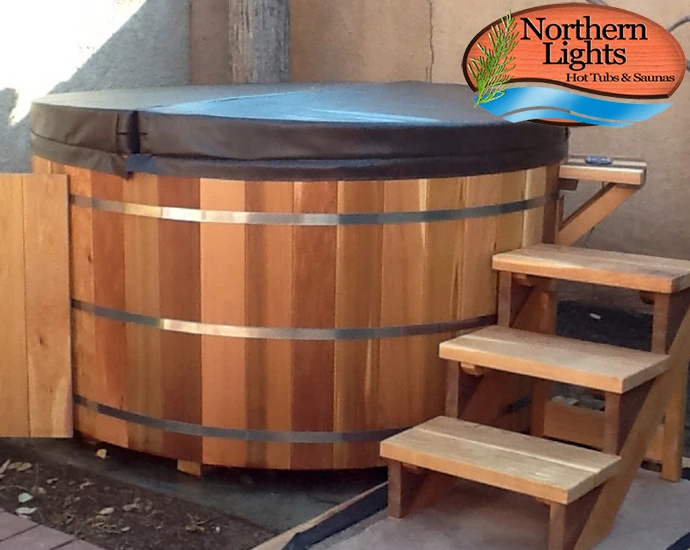
Leaky tubs often start from structural wear, around joints and bands that hold the wood staves together. Hot tub users should inspect metal bands for tightness and any signs of rust or loosening.
Tighten loose bands to keep the wood staves sealed together watertight. The users should look closely for cracks or areas where the wood may be warping, in areas exposed to high heat or water contact. Addressing these issues early can prevent leaks and costly repairs.
Daily to Seasonal Maintenance Routine
Daily checks include monitoring water levels and clarity, removing floating debris, and checking jets and filters for proper operation. Weekly cleaning tasks involve more thorough water chemistry checks and debris vacuuming. Monthly maintenance should include draining, deep cleaning, and a detailed structural inspection.
Seasonally, keep the tub protected from harsh weather by applying protective coverings. It’s recommended to winterize the tub by fully draining and drying the tub before freezing weather, and doing any major repairs or wood treatments.
Final Conclusion:
A wooden tub is a beautiful and rewarding investment that requires thoughtful care. With diligent water management, wood treatment, structural inspections, and seasonal upkeep, owners can ensure that their tub stays leak-free and aromatic. The effort pays off with a long-lasting, nature-infused relaxation. Considering these maintenance tasks can keep the charm and functionality of wooden tubs alive. These habits can turn every soak into a rejuvenating retreat.
By making maintenance a regular habit, wooden tub owners can enjoy peace of mind and the satisfaction of preserving a unique outdoor sanctuary for years to come. Consider checking out available wood burning hot tubs at Northern Lights Cedar Tubs and find the right selection for your needs.












Sign in to leave a comment.