Introduction to Wisconsin Manufacturing
Overview of the Industry
Wisconsin manufacturing is a cornerstone of the state’s economy. Known for its strong industrial base, Wisconsin produces a wide range of goods, including machinery, food products, paper, and fabricated metals. The state has built a reputation for quality, reliability, and innovation.
Manufacturing in Wisconsin is not limited to large corporations. Small and medium-sized businesses also play a major role, contributing to local economies and driving innovation across industries.
Economic Importance in Wisconsin
Manufacturing is one of the largest contributors to Wisconsin’s economy. It provides thousands of jobs and supports communities across the state. In fact, Wisconsin consistently ranks among the top states in the U.S. for manufacturing employment and output.
History of Manufacturing in Wisconsin
Early Industrial Development
Wisconsin’s manufacturing roots date back to the 19th century. Early industries focused on lumber, agriculture, and basic tools. The state’s natural resources and access to waterways made it an ideal location for industrial growth.
Growth Through the 20th Century
During the 20th century, manufacturing expanded rapidly. Advances in technology and transportation allowed businesses to scale production and reach national markets.
Modern Industrial Landscape
Today, Wisconsin manufacturing is more advanced and diversified. Companies use modern technologies to improve efficiency and stay competitive in a global market.
Key Industries in Wisconsin Manufacturing
Food and Beverage Production
Wisconsin is famous for its dairy industry, earning it the nickname “America’s Dairyland.” Cheese production and other food manufacturing sectors are vital to the state’s economy.
Machinery and Equipment
The state is a leader in producing industrial machinery and equipment. These products are used across various industries, both domestically and internationally.
Paper and Wood Products
With abundant forests, Wisconsin has a strong paper and wood products industry. This sector has evolved to include sustainable practices and advanced processing techniques.
Metal Fabrication
Metal fabrication is another key industry. It supports construction, automotive, and manufacturing sectors by producing essential components.
Role of Small and Medium Enterprises
Local Business Contributions
Small and medium enterprises (SMEs) are the backbone of Wisconsin manufacturing. They create jobs, support local economies, and foster innovation.
Innovation in SMEs
Many SMEs adopt new technologies quickly, allowing them to stay competitive. Their flexibility enables them to respond to market changes effectively.
Workforce and Talent Development
Skilled Labor Demand
Wisconsin manufacturers rely on skilled workers to operate advanced machinery and manage production processes. There is a growing demand for workers with technical expertise.
Training and Education Programs
Educational institutions and training programs play a crucial role in preparing the workforce. Partnerships between schools and businesses help ensure that workers have the skills needed for modern manufacturing.
Technology and Innovation in Wisconsin Manufacturing
Automation and Robotics
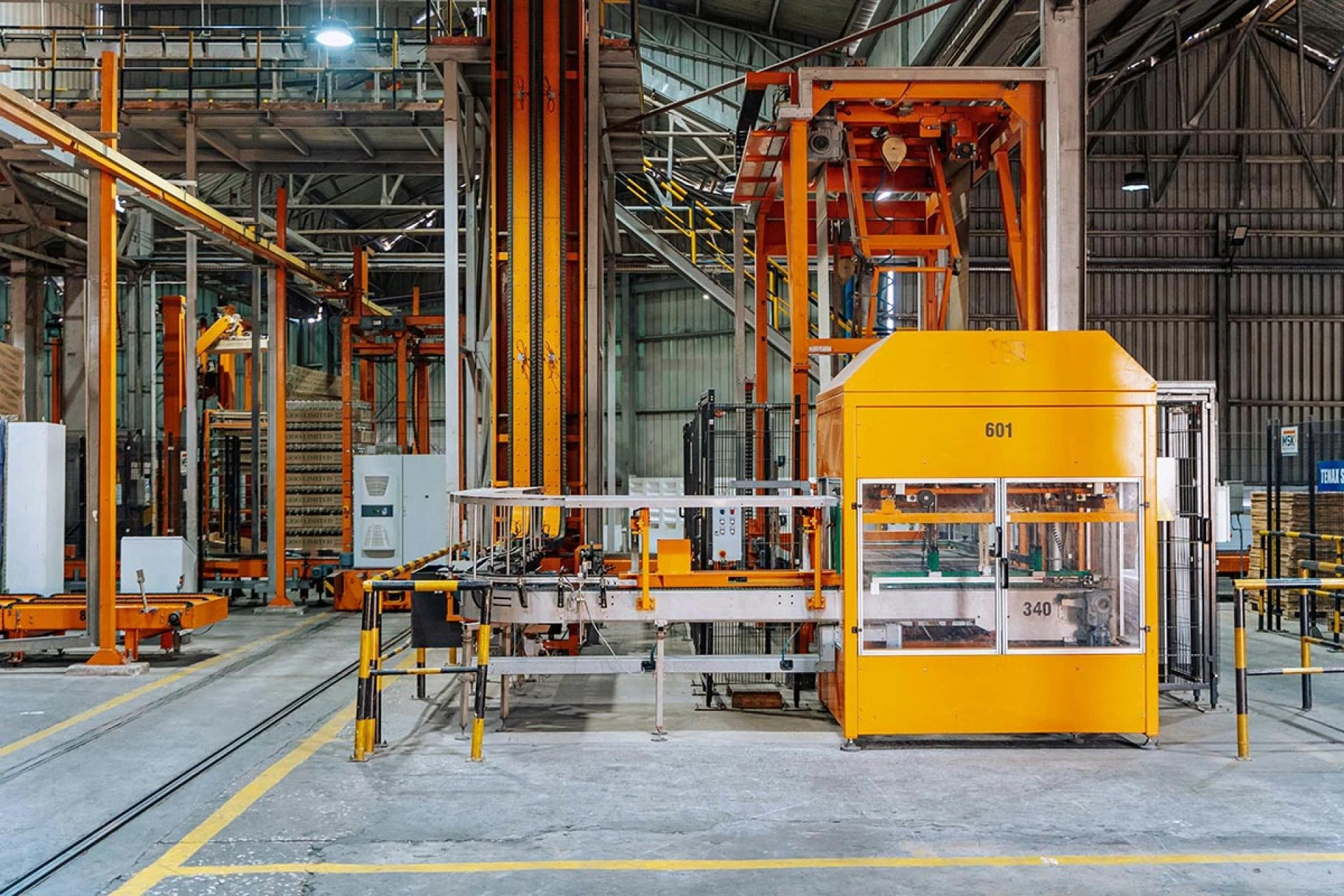
Automation is transforming manufacturing in Wisconsin. Robots and automated systems increase efficiency and reduce errors.
Smart Manufacturing
Smart manufacturing uses data and connectivity to optimize production. It allows companies to monitor processes in real time and make informed decisions.
Digital Transformation
Digital tools are becoming essential. From software systems to data analytics, technology is helping manufacturers improve operations and reduce costs.
Supply Chain and Logistics
Regional Advantages
Wisconsin’s central location provides easy access to major markets. This makes it an ideal hub for manufacturing and distribution.
Transportation Infrastructure
The state has a strong transportation network, including highways, railroads, and ports. This infrastructure supports efficient movement of goods.
Challenges Facing Wisconsin Manufacturers
Labor Shortages
Finding skilled workers is one of the biggest challenges. Many companies struggle to fill positions with qualified candidates.
Rising Costs
Costs for raw materials, energy, and labor continue to rise. Manufacturers must find ways to maintain profitability.
Global Competition
Wisconsin manufacturers compete with companies around the world. Staying competitive requires innovation and efficiency.
Sustainability and Green Manufacturing
Environmental Practices
Many manufacturers are adopting environmentally friendly practices. This includes reducing waste and using sustainable materials.
Energy Efficiency
Improving energy efficiency helps reduce costs and environmental impact. It is a key focus for many companies in the state.
Future of Wisconsin Manufacturing
Growth Opportunities
The future looks promising for Wisconsin manufacturing. New technologies and markets offer opportunities for growth.
Emerging Trends
Trends such as automation, sustainability, and digitalization will continue to shape the industry.
At the center of these advancements, businesses are also focusing on clear communication and product usability, often investing in owner’s manual creation and development to enhance customer experience and ensure compliance with industry standards.
FAQs About Wisconsin Manufacturing
1. Why is manufacturing important in Wisconsin?
It drives economic growth, creates jobs, and supports local communities.
2. What are the main industries in Wisconsin manufacturing?
Key industries include food production, machinery, paper, and metal fabrication.
3. What challenges do Wisconsin manufacturers face?
They face labor shortages, rising costs, and global competition.
4. How is technology impacting manufacturing in Wisconsin?
Technology improves efficiency, reduces errors, and supports innovation.
5. What is the future of Wisconsin manufacturing?
The future includes growth through automation, sustainability, and digital transformation.
6. How do small businesses contribute to manufacturing?
They drive innovation, create jobs, and support local economies.
Conclusion
Wisconsin manufacturing remains a vital part of the state’s economy. With a strong history, diverse industries, and a focus on innovation, it continues to thrive in a competitive global market.
By embracing new technologies, investing in workforce development, and adopting sustainable practices, Wisconsin manufacturers are well-positioned for future success. The industry’s ability to adapt and evolve ensures that it will remain a key driver of economic growth for years to come.












Sign in to leave a comment.