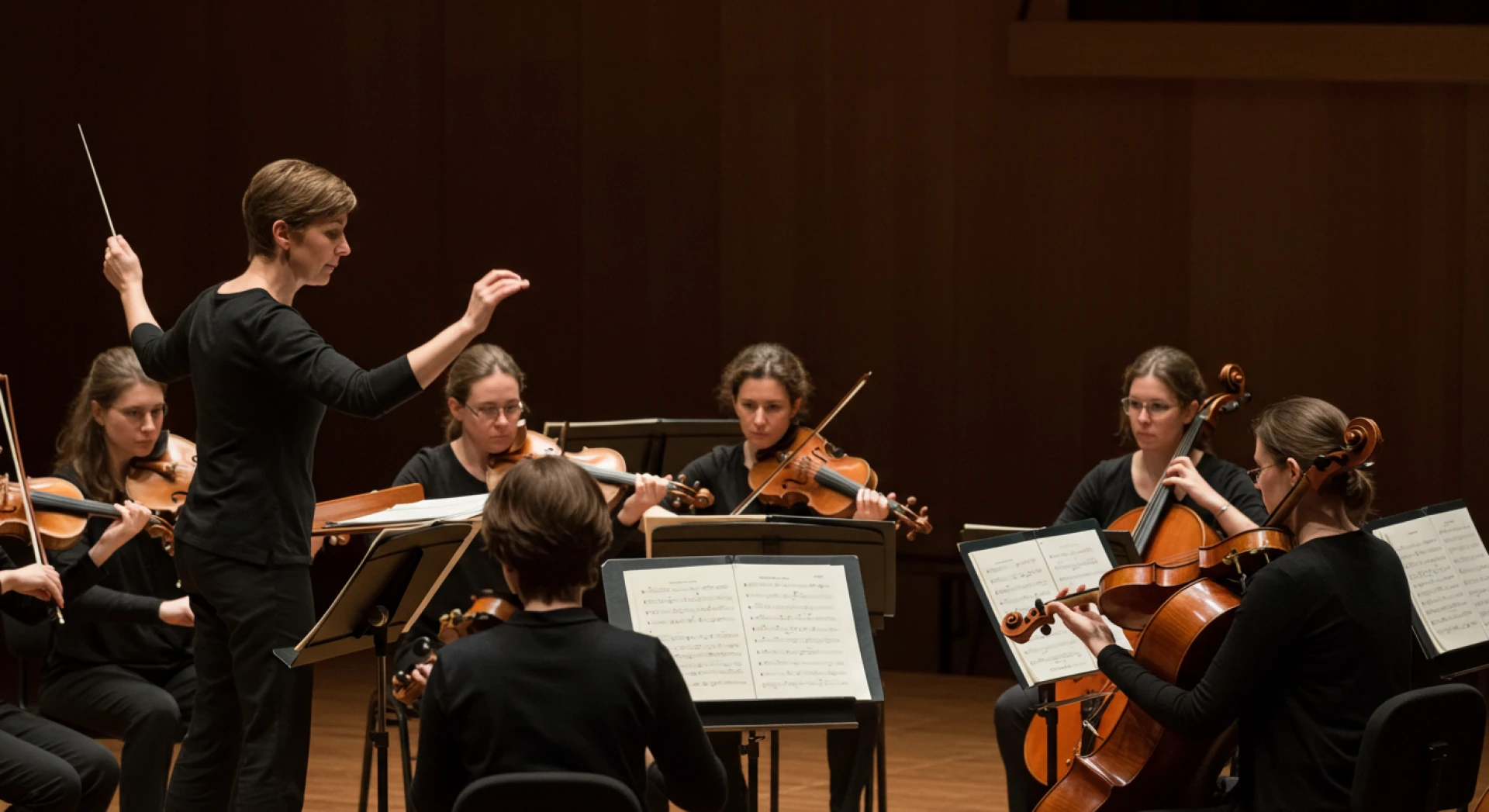

When you listen to classical music, have you ever stopped to think about the women who shaped its history and continue to define its future? Today, we often hear the names of Beethoven, Mozart, or Bach, but countless female composers and musicians have played a powerful role in shaping this timeless art form. Their stories are inspiring, and their music reminds us of the beauty that emerges when creativity is paired with resilience.
The Hidden History of Female Composers
For centuries, women were discouraged or even barred from pursuing music professionally. Many of them wrote compositions under male pseudonyms or kept their works unpublished because society didn’t believe women belonged in the world of classical composition. Yet, despite these obstacles, they created works that moved audiences and influenced future generations.
Think of Clara Schumann, who was not only the wife of Robert Schumann but a pianist and composer in her own right. Or Fanny Mendelssohn, who composed over 460 pieces of music, many of which were initially published under her brother Felix Mendelssohn’s name. Their journeys remind us of the perseverance required to leave a mark in an industry dominated by men.
Celebrating Modern Female Voices
Today, things are changing, and women in classical music are receiving the recognition they deserve. Modern-day composers like Jennifer Higdon and Kaija Saariaho are redefining the sound of orchestral and choral music. Female conductors such as Marin Alsop are leading world-class orchestras, proving that leadership in classical music has no gender boundaries.
As Marin Alsop once said, “Music has the power to change lives, and it should not matter who is standing at the podium.” This simple truth captures the essence of inclusivity in the music world.
Why Representation Matters
Representation in classical music is more than just recognition—it is an inspiration for younger generations. When young women see composers, conductors, and musicians who look like them achieving greatness, they believe they can too. It creates a ripple effect where talent is no longer stifled by tradition but nurtured by opportunity.
This is especially important because classical music thrives on fresh voices and perspectives. Every composer brings their own story, culture, and experiences into their work. By encouraging diversity, the music we hear becomes richer, more vibrant, and more reflective of the world we live in.
Honoring Female Musicians on Stage
Around the world, orchestras and organizations are making intentional efforts to highlight the work of female composers and musicians. From featuring them in concert programs to commissioning new works, the music community is becoming more inclusive.
For example, when you look at the programs by the Wichita Falls Symphony Orchestra, you can see how regional orchestras are contributing to this shift. By celebrating female talent alongside the classics we already know, they ensure the next generation grows up with a broader appreciation of musical excellence.
If you ever attend a performance or follow their events, you may find yourself inspired by how these programs mix tradition with innovation. It is proof that even local symphonies can play a global role in pushing the boundaries of representation.
The Role of Education and Advocacy
Education also plays a key role in honoring women in classical music. Music schools and conservatories are now teaching students not just about the great male composers but also about influential female composers whose names were often hidden in the past. By weaving their stories into curricula, we preserve their legacy and inspire more young women to pursue music.
Advocacy is equally important. Organizations and educators work together to create platforms that spotlight female talent, ensuring that they are not overshadowed. For instance, resources from the National Endowment for the Arts provide valuable insight into programs that promote inclusivity in the arts and support diverse voices across the country (source).
How You Can Support Women in Classical Music
As a listener and admirer of classical music, your support makes a difference. Attend concerts that feature female musicians. Purchase recordings of their works. Share their music with friends and family. Even small actions create lasting change.
Most importantly, keep an open heart and ear. Celebrate the artistry of women past and present who bring us music that resonates with soul and meaning. Their creativity continues to remind us that classical music is not only about history but also about progress and inclusivity.
Final Thoughts
Women in classical music have always been here, and they will continue to shape the industry in remarkable ways. Their struggles and triumphs tell us that talent and passion are never bound by gender. Whether through the compositions of Fanny Mendelssohn or the leadership of Marin Alsop, the story of women in classical music is one of resilience and brilliance.
So the next time you enjoy a symphony, remember that behind the notes are countless women whose legacies deserve to be celebrated just as much as the names we already know. The music is richer because of them, and the world is brighter when their voices are heard.



Sign in to leave a comment.