
IMARC Group’s “Wood Charcoal Manufacturing Plant Project Report 2026: Industry Trends, Plant Setup, Machinery, Raw Materials, Investment Opportunities, Cost and Revenue” provides a comprehensive roadmap for establishing a wood charcoal manufacturing plant. The report covers all essential aspects of the project, including raw material requirements, production processes, plant layout, utility needs, machinery specifications, manpower planning, packaging systems, and transportation logistics.
The study also presents a wood charcoal manufacturing plant detailed financial analysis highlighting capital investment, setup costs, funding requirements, operating expenses, income and expenditure forecasts, fixed and variable cost structures, return on investment (ROI), profit projections, and net present value (NPV). This structured assessment enables entrepreneurs and investors to evaluate the feasibility and profitability of entering the biomass energy and fuel industry.
What is Wood Charcoal?
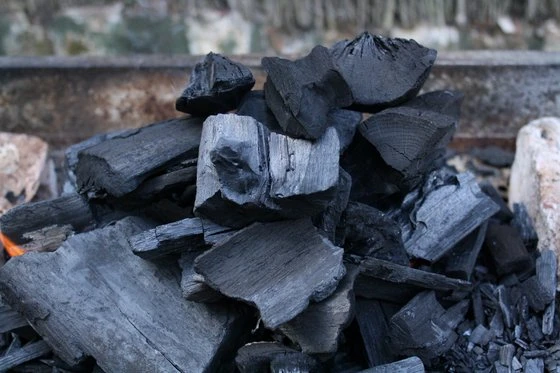
Wood charcoal is a carbon-rich material produced by heating wood in the absence of oxygen through a process known as pyrolysis. It is widely used as a fuel for cooking, heating, industrial processes, and water purification. Due to its high calorific value, low ash content, and clean-burning properties, wood charcoal remains a popular alternative to traditional fossil fuels.
Request to Get the Sample Report: https://www.imarcgroup.com/wood-charcoal-manufacturing-plant-project-report/requestsample
How is Wood Charcoal Manufactured?
The wood charcoal production process typically involves the following stages:
• Raw Material Preparation: Wood logs or biomass are collected and cut into uniform sizes.
• Drying: Moisture is reduced to improve carbonization efficiency.
• Carbonization: Wood is heated in kilns or retorts under limited oxygen conditions to convert it into charcoal.
• Cooling: The produced charcoal is cooled in controlled environments to prevent combustion.
• Screening and Grading: Charcoal is sorted based on size and quality.
• Packaging: Final products are packed in bags for storage and distribution.
Modern plants may use advanced retort systems to improve efficiency and reduce emissions.
Market Trends and Growth Drivers
The wood charcoal market is driven by increasing demand for renewable energy sources and eco-friendly fuel alternatives. Growing use in outdoor cooking, metallurgy, and activated carbon production supports market expansion. Additionally, rising environmental awareness and efforts to reduce dependence on fossil fuels further boost demand.
Key Aspects to Setup a Wood Charcoal Manufacturing Plant:
• Location and site selection near biomass sources
• Market research and demand analysis
• Plant layout and infrastructure planning
• Procurement of carbonization kilns or retort systems
• Environmental compliance and emission control
• Cost estimation and financial planning
Requirements for Wood Charcoal Manufacturing Facility Development:
• Capital investment and funding sources
• Carbonization kilns or retorts
• Drying and screening equipment
• Storage and packaging systems
• Skilled workforce including plant operators
Types of Costs to Setup a Wood Charcoal Manufacturing Plant:
• Land acquisition and site development
• Plant construction and infrastructure setup
• Machinery and kiln procurement
• Raw material costs (wood or biomass)
• Packaging and storage expenses
• Utility and energy requirements
• Transportation and logistics costs
• Workforce and labor expenditures
Project Economics:
• Capital investment estimates
• Operating cost structure
• Revenue forecasts and profitability outlook
• Fixed and variable cost breakdown
• Depreciation and taxation considerations
• Financial analysis including ROI, NPV, and break-even point
Applications and End-Use Industries:
Wood charcoal is widely used in:
• Domestic cooking and heating
• Industrial fuel applications
• Metallurgical processes
• Activated carbon production
• Outdoor and recreational use
Ask An Analyst: https://www.imarcgroup.com/request?type=report&id=9429&flag=C
Key Questions Answered in the Report:
• What is the current market demand and growth outlook for wood charcoal?
• What are the major stages in the charcoal production process?
• What machinery and raw materials are required?
• What environmental standards must be met?
• What is the projected cost structure and profitability outlook?
• What is the expected ROI and payback period for a wood charcoal manufacturing plant?
This report serves as a complete strategic guide for investors and manufacturers planning to establish or expand a wood charcoal manufacturing Plant, aligned with the growing demand for sustainable and renewable fuel solutions.
About Us:
IMARC is a global market research and consulting company providing end-to-end support across market entry, feasibility studies, factory setup, regulatory navigation, and financial modeling. With expertise in CAPEX and OPEX assessment, plant layout optimization, and industry benchmarking, IMARC helps businesses reduce risk, optimize costs, and achieve long-term growth across manufacturing sectors.
Contact Us:
IMARC Group
134 N 4th St. Brooklyn, NY 11249, USA
Email: [email protected]
Tel No: (D) +91 120 433 0800
United States: (+1-201-971-6302)



Sign in to leave a comment.