
Introduction
A Word Puzzle Game is one of the simplest yet smartest ways to exercise your brain. Whether you play on paper, a mobile app, or a website, word puzzles make you think, learn, and enjoy all at once.
These games aren’t just about spelling words — they help you improve memory, focus, and vocabulary while reducing stress. From classics like Crossword and Scrabble to modern hits like Wordle and Daily Word Ladder, word puzzle games have evolved into a daily habit for millions of people worldwide.
In this article, we’ll explore what makes a word puzzle game special, how it benefits your brain, and which types of puzzles you can play to stay sharp and entertained.
What Is a Word Puzzle Game?
A Word Puzzle Game challenges you to form, find, or guess words using clues, patterns, or letter arrangements. Each puzzle has its own rules, but the main goal is to test your vocabulary and thinking skills.
Some games ask you to create words from given letters (like Boggle or Wordscapes), while others require you to solve clues (like Crosswords) or change words step-by-step (like Word Ladder).
Because there are many variations, word puzzles appeal to players of all ages — kids, students, and adults alike.
Why Word Puzzle Games Are So Popular
1. Easy to Play, Hard to Master
You don’t need special skills to start playing, but mastering these games takes patience and creativity. That balance of simplicity and challenge keeps players hooked.
2. Available Anywhere
Word games are available as mobile apps, printed puzzles, or online versions. You can play anytime — while waiting, commuting, or relaxing at home.
3. Great for All Ages
From spelling games for children to advanced crosswords for adults, there’s something for everyone. The difficulty can easily be adjusted to match your level.
4. Social and Competitive
Many online platforms allow you to compete with friends or join leaderboards, adding a fun social element to the challenge.
Top Benefits of Playing Word Puzzle Game
Improves Vocabulary
Playing daily helps you learn new words naturally. You don’t just memorize them — you understand how words are formed and used.
Strengthens Memory
Every time you recall a word, you exercise your short-term and long-term memory. Over time, this strengthens your ability to remember new information quickly.
Boosts Focus and Concentration
Word games require attention to detail. Searching for correct letters, patterns, or meanings keeps your brain focused, improving your attention span.
Enhances Problem-Solving Skills
You must think logically to fit words correctly or find hidden connections. This type of strategic thinking improves reasoning skills.
Relieves Stress
Puzzles have a calming effect. They help your mind focus on one simple task, allowing you to unwind while still being mentally active.
Encourages Lifelong Learning
Because you keep discovering new words and concepts, word puzzles turn learning into a lifelong, enjoyable habit.
Popular Types of Word Puzzle Games
There are many styles of word games, each offering a different experience. Here are some of the most popular ones:
1. Crossword Puzzles
Probably the most famous word puzzle in the world, crosswords involve filling blank boxes based on given clues. They improve vocabulary, general knowledge, and logical reasoning.
2. Word Search
A relaxing game where you find hidden words in a grid. It’s perfect for beginners and great for improving visual scanning and pattern recognition.
3. Word Ladder
In this puzzle, you transform one word into another by changing one letter at a time, with each step forming a real word. For example:
COLD → CORD → CARD → WARD → WARM
The Daily Word Ladder version updates every day, offering a short but effective brain workout.
4. Scrabble
A competitive board game where players form words using letter tiles for points. It enhances spelling, vocabulary, and math (since each letter has a score).
5. Wordle
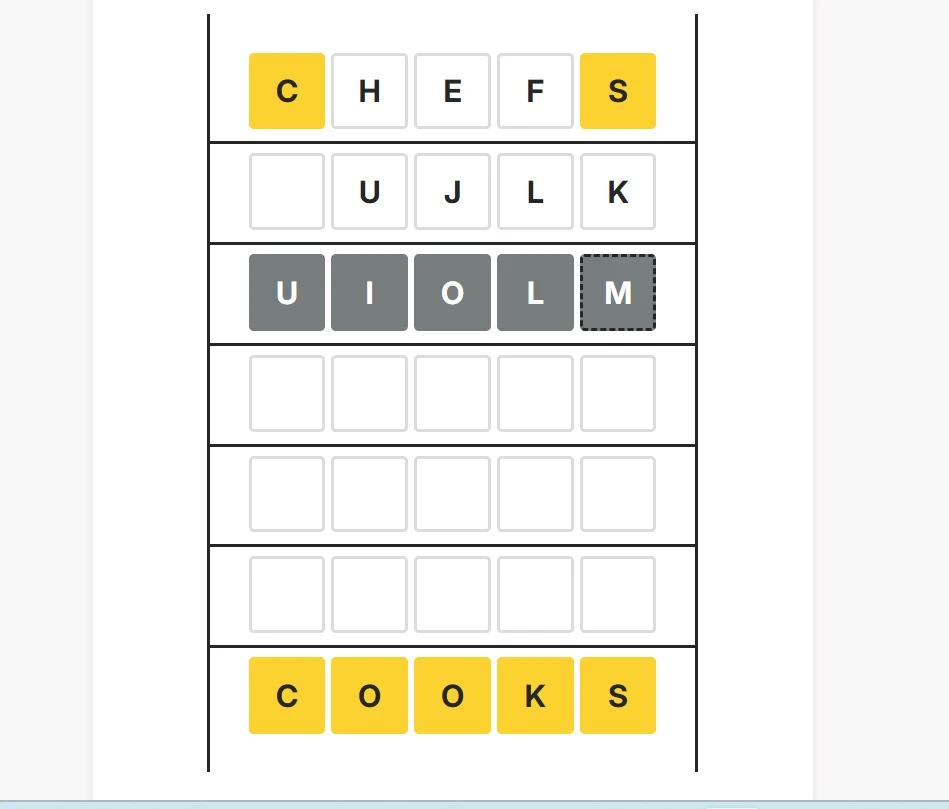
A modern online word puzzle where you guess a hidden five-letter word in six tries. It’s simple, shareable, and has become a global sensation.
6. Anagram Games
You rearrange letters to form new words, testing your creativity and quick thinking. Examples include games like Text Twist or Jumble.
7. Word Connect and Wordscapes
These mobile games ask you to link letters in a circle to form all possible words. They combine modern design with old-school fun.
How Word Puzzle Games Help the Brain
According to psychologists and educators, solving word puzzles regularly activates different parts of your brain:
- Left Hemisphere: Manages logic, spelling, and grammar.
- Right Hemisphere: Handles creativity and pattern recognition.
- Prefrontal Cortex: Involved in planning, problem-solving, and decision-making.
- Hippocampus: Strengthens memory and language recall.
Word puzzles are like mental workouts — they keep your mind flexible, help delay cognitive decline, and even reduce the risk of dementia.
Educational and Career Benefits
For Students
- Builds reading comprehension.
- Improves spelling accuracy.
- Teaches analytical thinking.
For Professionals
- Increases focus during work.
- Boosts vocabulary for communication.
- Reduces work-related stress during short breaks.
Teachers often use word puzzles in classrooms to make learning English engaging and interactive.
Tips to Improve at Word Ladder Challenge
- Play every day. Consistency builds speed and memory.
- Read more. The larger your vocabulary, the easier puzzles become.
- Start simple. Begin with easy puzzles, then move up to advanced ones.
- Use hints wisely. They help you learn new strategies.
- Challenge friends. Competing with others keeps you motivated.
- Review mistakes. Learning from wrong words helps long-term improvement.
Conclusion
A Brain Training Game is much more than entertainment — it’s a brain-training activity that sharpens thinking, boosts memory, and improves language skills. Whether it’s a crossword before bed, a quick Word Ladder during lunch, or a round of Wordle with friends, these games make your brain stronger and your day brighter.
If you want to stay sharp, reduce stress, and keep learning effortlessly, try adding one word puzzle game to your daily routine. Just a few minutes a day can make a big difference for your mind!
FAQs About Word Puzzle Games
Q1: Are word puzzle games good for kids?
Yes, they help children learn new words, improve spelling, and develop problem-solving skills.
Q2: Which word game is best for beginners?
Word Search and Word Connect are easiest to start with since they don’t require complex rules.
Q3: How do word puzzles help adults?
They improve focus, memory, and cognitive speed, helping adults stay mentally active and reduce stress.
Q4: Are these games available offline?
Yes, many apps and printable puzzles work offline, so you can play anywhere.
Q5: What’s the difference between a Word Ladder and a Crossword?
A Word Ladder focuses on letter transformation, while a Crossword focuses on clues and definitions.
Q6: How often should I play?
Just 10–15 minutes daily is enough to see noticeable improvement in vocabulary and concentration.
Q7: Can playing word games help with learning English?
Absolutely! They’re great tools for ESL learners to build confidence and word recognition naturally.














Sign in to leave a comment.