

When it comes to wounds, many people wait until the pain becomes unbearable before visiting a doctor. This delay can make the wound worse and increase the risk of serious complications. A wound check-up is the first step to healing faster and avoiding permanent damage.
In this guide, we will explain how to clean wounds, different ulcer types, and the importance of consulting an expert for timely treatment.
1. How to Clean an Infected Wound
Many people search for how to clean an infected wound but end up using unsafe home methods. The safest way is to wash your hands first, gently rinse the wound with clean water, and use mild soap around the wound. Applying an antiseptic as advised by a doctor is important. Always cover the area with a sterile dressing.
If you are trying infected wound care at home, remember that it should be only for minor cases. If there is pus, swelling, or foul smell, consult a wound care specialist without delay.
2. Understanding Arterial Ulcer
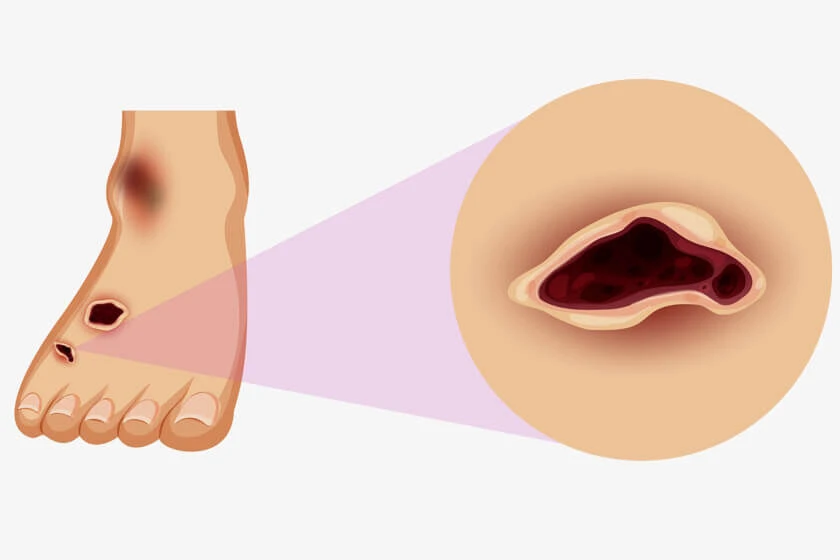
An arterial ulcer is caused by poor blood flow to the tissues, usually due to blocked arteries. These wounds can be very painful and often appear on the feet or toes. Because of low circulation, they are slow to heal. Early detection during a wound check-up can prevent serious complications.
3. What is a Non-Healing Wound?
A non healing wound is one that does not improve even after weeks of treatment. Causes may include diabetes, infections, or poor nutrition. Non healing wound treatment often requires removing dead tissue, using special dressings, improving diet, and treating the underlying cause. Ignoring it can lead to infection or long-term disability.
4. Early Stage Diabetic Foot Ulcer
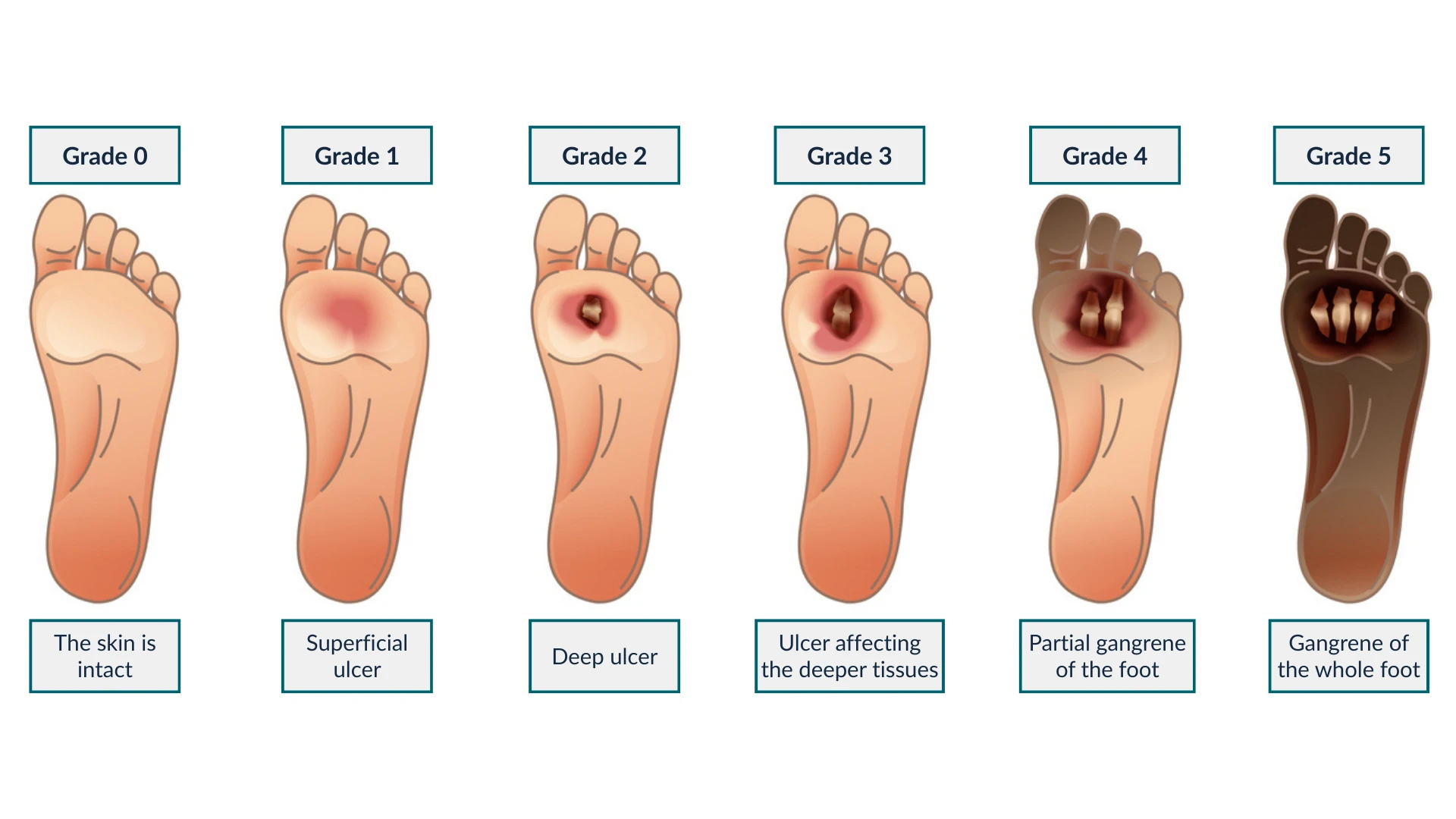
An early stage diabetic foot ulcer may look like a small blister, redness, or skin break. If left untreated, it can progress quickly. Doctors classify these in diabetic foot ulcer stages to guide treatment. Stage one may involve redness, while advanced stages include infection, tissue damage, or even bone involvement.
5. Risk Factors for Developing Pressure Ulcers
Many patients are unaware of the risk factors for developing pressure ulcers. Staying in one position for long periods, poor nutrition, dehydration, and certain medical conditions can all increase the risk. People who are bedridden or use a wheelchair are more vulnerable and should get regular wound check-ups to prevent bedsores.
6. Why Wound Check-Up Matters
Whether it is an infected wound, an arterial ulcer, a non healing wound, or an early stage diabetic foot ulcer, timely assessment can save you from bigger health problems. Regular check-ups help detect the wound type, decide the right dressing, and plan for non healing wound treatment if needed.
Take Action Today
Do not wait for your wound to get worse. If you are unsure how to clean an infected wound, struggling with infected wound care at home, or noticing signs of an arterial ulcer or non healing wound, seek professional help immediately. Early care is the best way to avoid serious complications.












Sign in to leave a comment.