
Heart health has become one of the most important wellness priorities in today’s fast-paced world. Rising stress levels, long working hours, poor sleep, and limited physical activity are directly impacting cardiovascular function. While medications and clinical treatments are essential in many cases, preventive lifestyle measures can significantly reduce risk factors.
Among the most effective and accessible practices is yoga for heart health. Unlike intense gym workouts, yoga combines gentle movement, controlled breathing, and mindfulness to support the heart physically and emotionally. It improves circulation, reduces stress hormones, enhances oxygen flow, and promotes overall cardiovascular balance.

Table of Contents
- What Is Heart Health?
- Why Yoga Supports your Heart
- Scientific Evidence Behind Yoga for Heart Health
- How Stress Affects the Heart
- Best Yoga Poses for Heart Health
- Breathing Techniques That Strengthen the Heart
- Meditation and Emotional Balance
- Yoga for Heart Patients: Safety Guidelines
- Comparing Yoga with Other Exercises
- Creating a Weekly Yoga Plan for Heart Support
- Long-Term Benefits of Yoga for Heart Health
- FAQ
- People Also Ask
What Is Heart Health?
Heart health refers to the overall condition and proper functioning of your heart and blood vessels — together known as the cardiovascular system. A healthy heart efficiently pumps oxygen-rich blood throughout the body, delivering nutrients to organs and tissues while removing waste products. When your heart is strong and your blood vessels are flexible and clear, your body functions optimally.
Heart health is not just about avoiding heart attacks. It includes maintaining normal blood pressure, balanced cholesterol levels, healthy blood sugar, good circulation, and a steady heart rhythm. When these factors are well managed, the risk of cardiovascular diseases such as coronary artery disease, stroke, and heart failure significantly decreases.
A heart-healthy body typically shows these signs:
- Stable blood pressure
- Healthy cholesterol levels
- Good stamina and energy levels
- Normal resting heart rate
- Efficient blood circulation
Poor heart health, on the other hand, can develop silently over time due to unhealthy lifestyle habits such as poor diet, lack of physical activity, smoking, chronic stress, inadequate sleep, and unmanaged medical conditions like diabetes or hypertension.
Heart health is influenced by multiple factors:
- Lifestyle choices: diet, exercise, sleep, stress management
- Medical factors: blood pressure, cholesterol, diabetes
- Genetics: family history of heart disease
- Age and hormonal changes
Maintaining heart health requires a preventive and holistic approach. Regular physical activity, including yoga and moderate cardio exercise, supports circulation and strengthens the heart muscle. A balanced diet rich in fruits, vegetables, whole grains, and healthy fats helps maintain cholesterol and blood pressure levels. Stress reduction techniques such as meditation and breathing exercises also play a vital role, as chronic stress directly impacts cardiovascular function.
Routine medical check-ups are equally important. Early detection of risk factors allows timely intervention and reduces long-term complications.
Why Yoga Supports your Heart
Yoga is not just stretching. It is a structured system that integrates posture (asana), (pranayama), and meditation (dhyana). Each of these components directly benefits cardiovascular health.
Physical postures improve circulation and flexibility. Controlled breathing regulates heart rate variability. Meditation lowers stress hormones such as cortisol and adrenaline. Together, these mechanisms reduce strain on the heart.
Unlike high-intensity workouts that may temporarily increase heart rate significantly, yoga for heart health gently conditions the cardiovascular system while promoting relaxation.
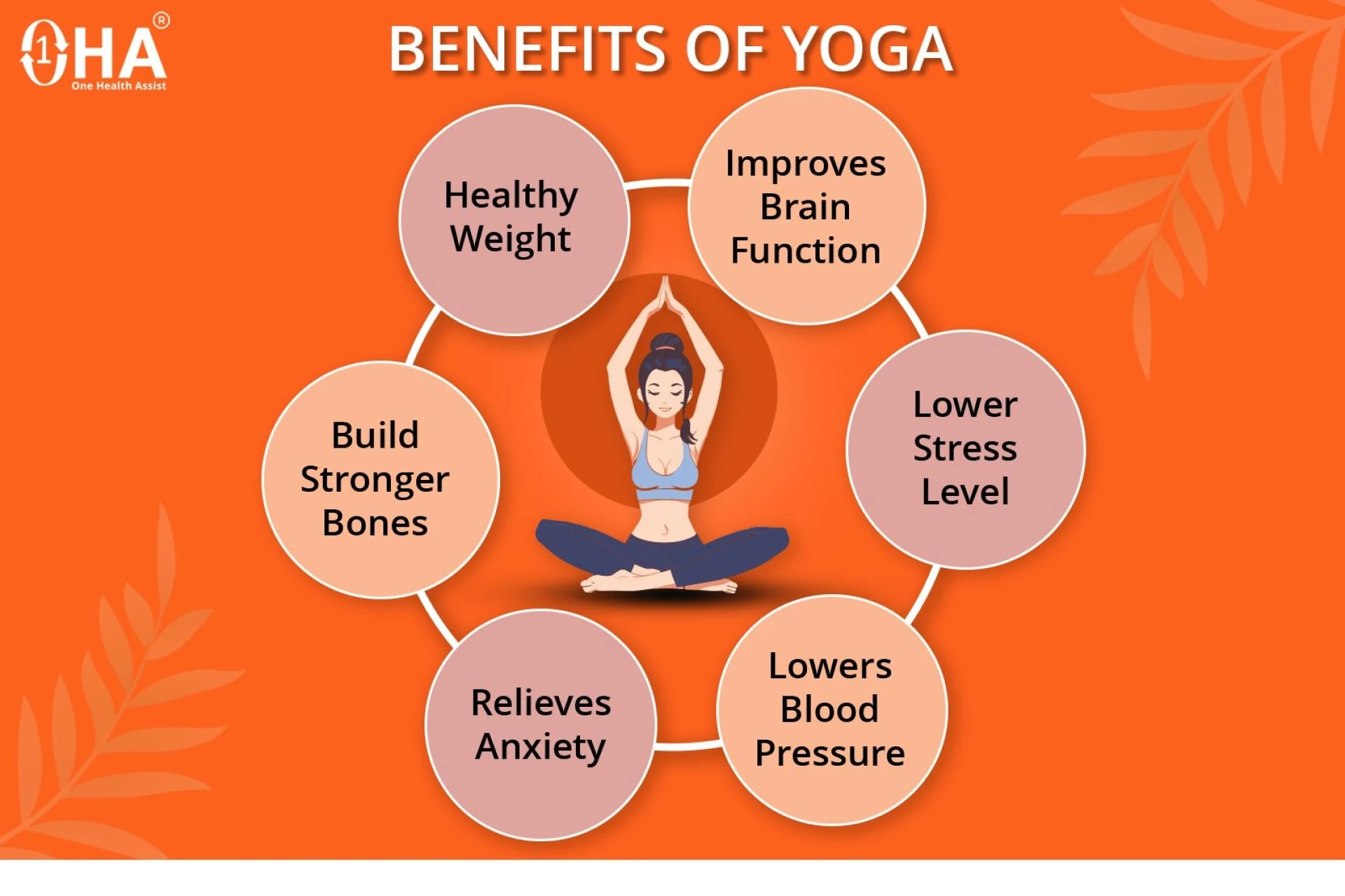
Yoga is proven to benefit heart health.
Research suggests that regular yoga practice can:
- Lower systolic and diastolic blood pressure
- Improve lipid profiles
- Reduce resting heart rate
- Enhance endothelial function
- Improve heart rate variability














Sign in to leave a comment.