

When it comes to nurturing the talents of young soccer enthusiasts, choosing the right soccer school in Contra Costa plays a pivotal role. Parents and guardians are often faced with an overwhelming array of options, making the decision process both exciting and daunting. This guide aims to demystify the selection process, offering essential insights that will empower you to make an informed choice.
Understanding the Importance of Soccer Schools
Soccer schools serve as foundational platforms for aspiring players, providing structured training, skill development, and exposure to competitive environments. The right soccer school does not just teach the mechanics of the game; it fosters a love for the sport and instills values such as teamwork, discipline, and resilience. In the vibrant community of Contra Costa, these schools can significantly impact a child’s athletic journey, helping them grow not only as players but also as individuals.
Soccer schools in this region often feature programs designed for various age groups and skill levels, ensuring that every child has the opportunity to learn and improve. From introductory courses for beginners to specialized training for advanced players, these programs cater to the diverse needs of young athletes. Additionally, many schools offer pathways for players to progress into competitive leagues, enhancing their chances of being scouted by higher-level teams.
Factors to Consider When Choosing a Soccer School
Coaching Staff and Philosophy
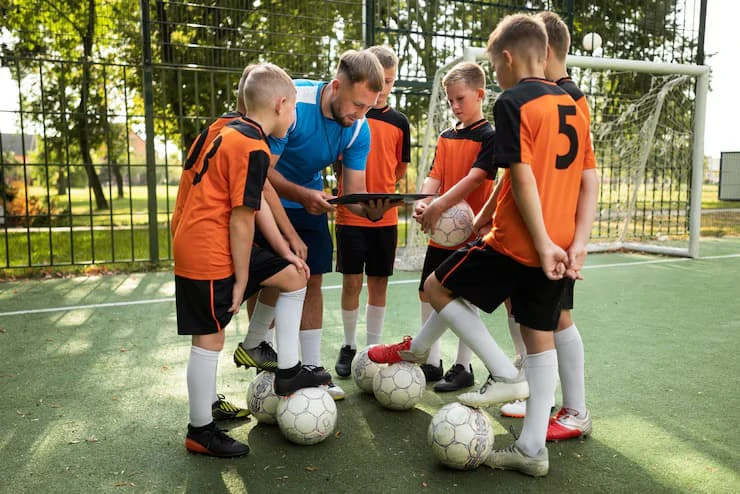
One of the most critical aspects to consider when evaluating a soccer school in Contra Costa is the quality and philosophy of the coaching staff. Coaches play an instrumental role in shaping the players’ skills and attitudes toward the game. It is essential to research the qualifications, experience, and coaching style of the instructors. Look for coaches who not only have a background in playing soccer but also possess certifications in coaching methodologies.
Moreover, the coaching philosophy should align with your child's goals and values. Some schools adopt a win-at-all-costs mentality, while others prioritize skill development and personal growth. Engaging with the coaching staff during trial sessions can provide valuable insights into their approach and how they interact with players.
Facilities and Training Environment
The facilities offered by a soccer school are crucial to the overall training experience. Schools with well-maintained fields, modern equipment, and adequate training resources create an environment conducive to learning. When visiting potential schools, take note of the condition of the training fields, the availability of practice equipment, and the overall atmosphere. A positive environment can significantly influence a player’s motivation and enjoyment of the sport.
Additionally, consider the size of the training groups. Smaller groups often allow for more personalized attention from coaches, which can enhance skill development. Conversely, larger groups may provide a competitive edge, but they might dilute the coaching focus. Striking a balance between these factors is essential for optimal player development.
Curriculum and Training Programs
A comprehensive curriculum is an indicator of a soccer school's commitment to developing well-rounded athletes. The training programs should encompass not only technical skills but also tactical understanding, physical conditioning, and mental resilience. Quality programs often include a mix of drills, scrimmages, and competitive matches to simulate real-game scenarios.
When evaluating programs, inquire about their length, frequency, and structure. Some schools offer year-round training, while others may operate seasonally. Understanding the commitment required from both players and parents will help you assess whether a particular program fits your family's schedule and expectations.
Reputation and Success Stories
The reputation of a soccer school can provide significant insights into its effectiveness. Speak with other parents, players, and community members to gather firsthand experiences and recommendations. Online reviews and testimonials can also offer valuable perspectives on the quality of training, coaching, and overall satisfaction.
Additionally, consider the success stories of former players. Many schools take pride in their alumni who have progressed to play at higher levels, whether in college, professional leagues, or national teams. These success stories can be a testament to the school’s ability to nurture talent and provide pathways for advancement.
The Role of Community and Culture
Building a Supportive Environment
Choosing a soccer school is not solely about the technical aspects of the game; it is also about finding a community where your child can thrive. A supportive environment fosters friendships, camaraderie, and a sense of belonging among players. Many schools emphasize creating a positive culture that encourages teamwork and mutual respect.
Engaging with the school’s community through events, tournaments, and social gatherings can provide insight into the overall atmosphere. Look for schools that prioritize inclusion and promote healthy competition while maintaining a focus on player development. This culture can significantly enhance your child's experience and growth within the sport.
Parental Involvement and Communication
Effective communication between parents and the soccer school is vital for a successful partnership. Schools that prioritize parental involvement often foster stronger relationships between coaches and families, enhancing the overall experience for players. Look for schools that offer regular updates on training progress, schedules, and opportunities for parental engagement.
Open lines of communication can ensure that any concerns or questions are addressed promptly, allowing for a smoother experience for both players and their families. This collaborative approach can also reinforce the values of teamwork and support that are essential in soccer.
Conclusion: Making the Right Choice for Your Young Athlete
Selecting the right soccer school in Contra Costa involves careful consideration of various factors, including coaching quality, training facilities, curriculum, and community culture. By taking the time to research and evaluate your options, you can ensure that your child has the best possible environment to develop their soccer skills and passion for the game.
Ultimately, the right soccer school will not only improve your child's athletic abilities but also contribute to their personal growth and development. If you’re seeking a place that embodies these values, consider Soccer Stars. With a commitment to excellence and a nurturing environment, they are dedicated to helping young athletes reach their full potential. Don’t miss the opportunity to give your child the gift of soccer—enroll today and watch them shine on the field!












Sign in to leave a comment.