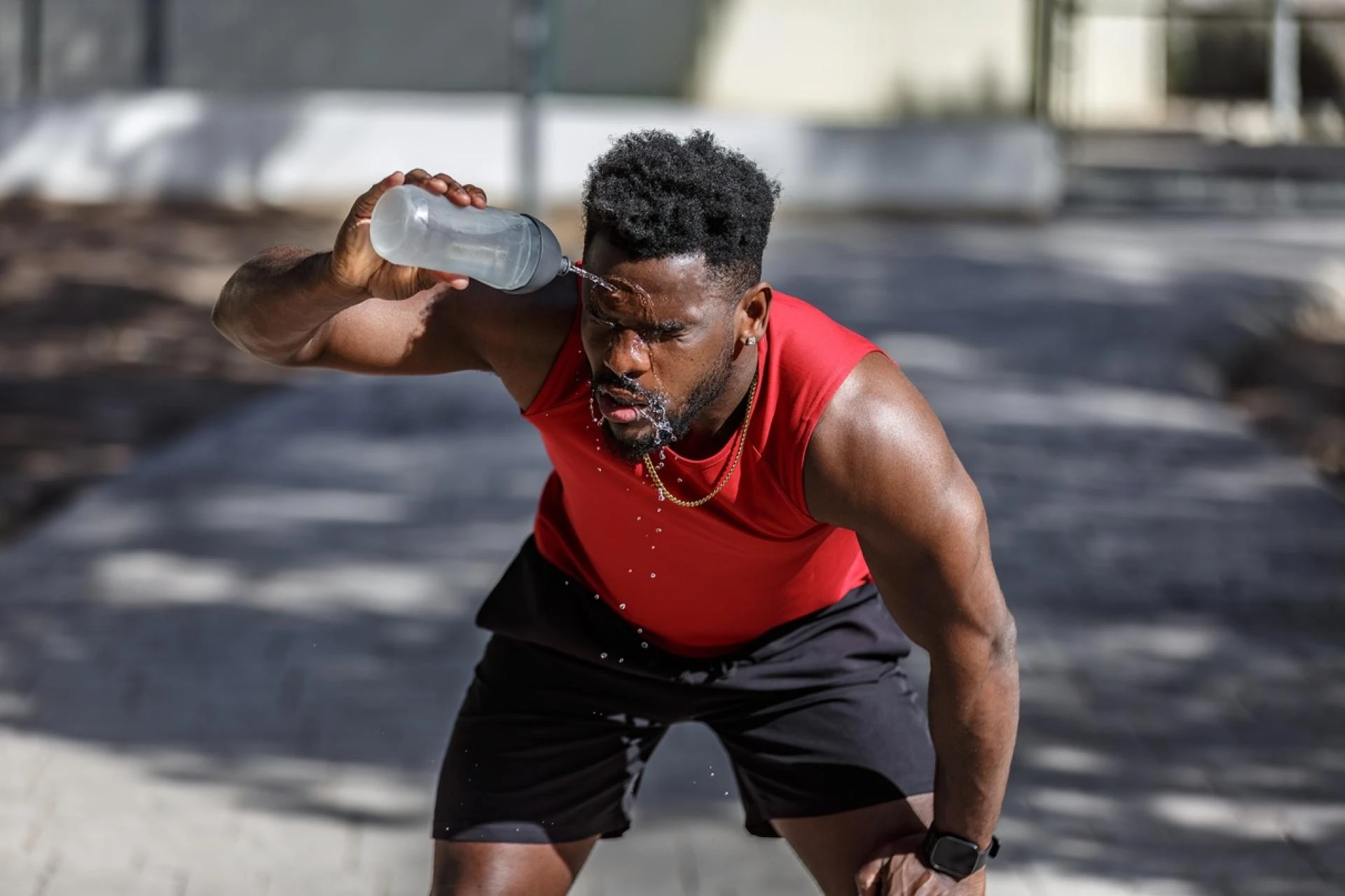

After an intense HIIT or cardio session, your heart is pounding, sweat is pouring, and your body feels like it’s on fire — especially if you’re exercising in the heat. But before you rush for a shower or collapse on the couch, there’s one crucial step you shouldn’t skip, which is: cooling down after exercise.
The purpose of a cool down exercises is to lower your heart rate and to ease your body into a healthy recovery zone. You may not feel your best If you skip the cool down after a hard workout like Cardio or HIIT.
A proper post-exercise cool down helps your body transition safely from high intensity to a resting state. It supports recovery, reduces muscle soreness, and helps prevent dizziness or cramps. Whether you’re working out in hot weather or inside an air-conditioned gym, a structured fitness cool down is key to staying safe and improving performance.
🩺 Why Cooling Down After Exercise Matters
During a HIIT or cardio workout, your body temperature, heart rate and breathing increase dramatically. Stopping suddenly can trap blood in your extremities and make you feel lightheaded. Cooling down helps gradually lower your heart rate, regulate your breathing, and promote circulation to clear out lactic acid buildup.
While working out in heat, cooling down becomes even more important. High temperatures make your body work harder to maintain core temperature, increasing dehydration and fatigue risk. A proper post-exercise cool down helps stabilize body temperature and prevent heat-related stress.
Benefits of cooling down after exercise?
Cooling-down exercises help start the recovery process, increase flexibility, and promote relaxation.
A Cool down can:
· Bring your body temperature, blood pressure, and heart rate back to normal levels.
· Promote blood circulation to help prevent lightheadedness and dizziness.
· Elongate connective tissue around joints, increase mobility, and improve range of motion.
☀️ Fitness Tips for Summer: Cooling Down in Hot Weather
If you’re working out in hot weather, follow these fitness tips for summer to cool down safely:
- Move Indoors for Recovery: After outdoor exercise, step into the shade or a cooler area immediately for cooling down.
- Hydrate Before and After: To replace fluids lost through sweat during exercise, hydrate yourself by sipping cool water or an electrolyte drink during your cool down.
- Wear Breathable Fabrics: Light, moisture-wicking clothes help your body release heat faster.
- Avoid Sudden Stops: Don’t sit or lie down right after an intense run or HIIT circuit — keep moving lightly for a few minutes.
- Use Cooling Towels or Mists: Placing a cool, damp towel on your neck or wrists helps bring your temperature down faster.
🕒 10-Minute Cool Down Routine After HIIT or Cardio Workouts
Here’s a simple, effective cool down routine you can follow after any high-intensity or cardio session.
Step 1: Light Movement (3–4 Minutes)
Keep moving gently to bring your heart rate down gradually.
- Slow walk or march in place – 2-3 minutes
- Gentle arm swings – 30 seconds
- Shoulder rolls – 30 seconds
This helps preventing sudden drops in blood pressure & maintain blood flow to your muscles.
Step 2: Stretching Major Muscle Groups (5–6 Minutes)
Focus on the areas you used most during your workout.
Hamstring Stretch
Sit or stand, extend one leg, and reach toward your toes. Hold for 30 seconds each leg.
This reduces tightness from running or cycling.
Quadriceps Stretch
Standing, grab one ankle and pull it toward your glutes. Hold for 30 seconds each leg.
Perfect for cooling down after squats, lunges, or sprints.
Calf Stretch
Place your hands against a wall, extend one leg behind, and press your heel into the ground. Hold for 30 seconds per side.
Helps relax lower leg muscles used during jumping or running.
Chest & Shoulder Stretch
Extend both arms back and open your chest. Hold for 20–30 seconds.
A must after push-ups, burpees, or battle ropes.
Hip Flexor Stretch
Step one leg forward into a low lunge, keeping your chest upright. Hold for 30 seconds each side.
Releases tightness from running or cycling.
Step 3: Deep Breathing & Relaxation (1–2 Minutes)
End your cool down with focused breathing to calm your nervous system.
- Inhale deeply through your nose for 4 seconds.
- Hold for 2 seconds.
- Exhale slowly through your mouth for 6 seconds.
- Repeat this for about a minute, allowing your body to fully relax.
If you’re working out in heat, this phase is essential — deep breathing aids oxygen flow and helps regulate your core temperature naturally.
💧 Hydration and Recovery Tips
Cooling down doesn’t stop when you finish stretching. After your fitness cool down, focus on proper recovery:
- Rehydrate: Drink water or electrolyte beverages to replace lost fluids.
- Refuel: Have a light protein and carb snack within 30 minutes to aid muscle recovery.
Cool Shower: Taking a lukewarm or cool shower helps lower body temperature and reduce muscle inflammation.
Rest: Allow at least 24–48 hours before doing another intense session targeting the same muscles.
🧠 The Benefits of a Consistent Cool Down Routine
Making cool down exercises part of every workout has long-term benefits:
- Better flexibility and mobility
- Reduced muscle soreness and stiffness
- Lower risk of dizziness or fainting
- Faster heart rate recovery
- Improved overall workout performance
For anyone exercising in the heat, a structured cooling down after exercise routine can make the difference between feeling refreshed or completely drained after a workout.
🏁 Final Thoughts
Whether you’re doing a high-intensity HIIT session, a long run, or a spin class, cooling down after exercise should never be an afterthought. It’s your body’s way of saying “thank you” — helping you recover, adapt, and come back stronger next time.
So next time you finish working out in hot weather, take those extra 10 minutes to follow this post-exercise cool down routine. Your muscles, heart, and overall fitness will thank you for it — especially during the Phoenix summer heat.











Sign in to leave a comment.