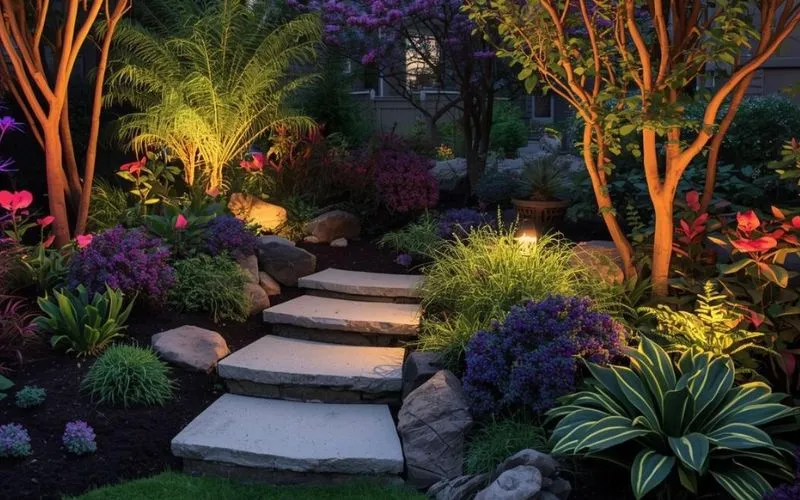

Intro:
Pinterest makes landscaping feel deceptively simple. A few saved ideas, a quick trip to the nursery, and suddenly your yard should look like a designer space. But once you actually try it, things don’t always go to plan.
In suburbs like Dandenong and Cheltenham, soil shifts, drainage behaves unpredictably, and layouts that look perfect online start to feel impractical. What seemed like a “simple upgrade” can turn into something that constantly needs fixing.
Let’s look at a few popular ideas that don’t always translate well—and what tends to work better instead.
Why Do Pinterest Landscaping Ideas Fall Apart in Real Life?
Most of those designs are created under ideal conditions—flat land, controlled lighting, and perfect soil. Real backyards are rarely that cooperative.
Melbourne’s changing weather, combined with reactive soil, means designs need to adapt. A layout that ignores those basics might look good at first, but it won’t hold up over time.
Do Flower-Covered Slopes Actually Work?
They look great in pictures on Pinterest, with layers of colourful plants cascading down a slope. But when you work on landscaping in Dandenong, slopes aren't just for looks; they change all the time.
After it rains, the soil changes, the water rushes downhill, and the plants have a hard time staying in place. This makes the "perfect look" a problem that needs to be fixed all the time.
Water flows down, bringing dirt with it. Plants get loose, roots have a hard time, and upkeep costs build up quickly.
A more practical option is using groundcovers or hardy plants that hold the soil in place. It may look simpler, but it lasts—and that’s what most homeowners end up valuing more.
Are Exotic Plants Worth Planting?
They can look striking at first, but many exotic plants aren’t suited to local conditions. Heat, wind, and soil quality can stress them out faster than expected.
What usually works better is choosing plants that are already adapted to the environment. Native or drought-tolerant varieties require less effort and tend to stay healthier throughout the year.
Do Complex Pathways Actually Improve a Yard?
Curved paths, mixed materials, and stepping stones can look creative on Pinterest. But over time, they often become uneven or difficult to maintain.
Weeds grow in gaps. Surfaces shift. And suddenly, what looked stylish becomes frustrating to walk on.
Keeping pathways simple—with one material and a clear direction—often ends up looking cleaner and staying that way longer.
Are Large Water Features Practical?
They definitely stand out, but they also demand attention. Pumps need maintenance, water levels drop, and cleaning becomes a regular task.
Without upkeep, they can quickly lose their appeal. Smaller features, or even dry landscaping elements, often give a similar visual effect without the ongoing work.
Does Symmetry Really Make a Yard Look Better?
Perfect symmetry works well in photos, but most real blocks aren’t evenly shaped. Trying to force balance can make a space feel unnatural.
In areas like landscaping in Cheltenham, where layouts and conditions vary from property to property, a more flexible design approach usually works better.
Grouping elements in a way that feels balanced—but not rigid—often creates a more comfortable and realistic outdoor space.
What Tends to Work Better in Real Yards?
After a while, most homeowners realise the same thing: simple designs last longer.
That usually means:
- Choosing materials that don’t shift easily
- Picking plants suited to the local climate
- Keeping layouts easy to maintain
- Planning for drainage from the start
It’s less about copying a look—and more about making the space work day-to-day.
Quick Checklist: Avoid Common Landscaping Mistakes
- Before you start, check the soil and drainage.
- Don't make layouts too complicated
- Pick plants that will do well in your area.
- Make sure walkways stay sturdy and are easy to care for.
- Don't simply think about how it looks; think about how well it will work in the long run.
Final Thoughts
A yard doesn’t need to look like Pinterest to feel right. In fact, the spaces that work best are usually the ones that feel easy to live with.
When design matches the conditions, everything settles into place. Less fixing, less stress—and a space that actually gets used.







Sign in to leave a comment.