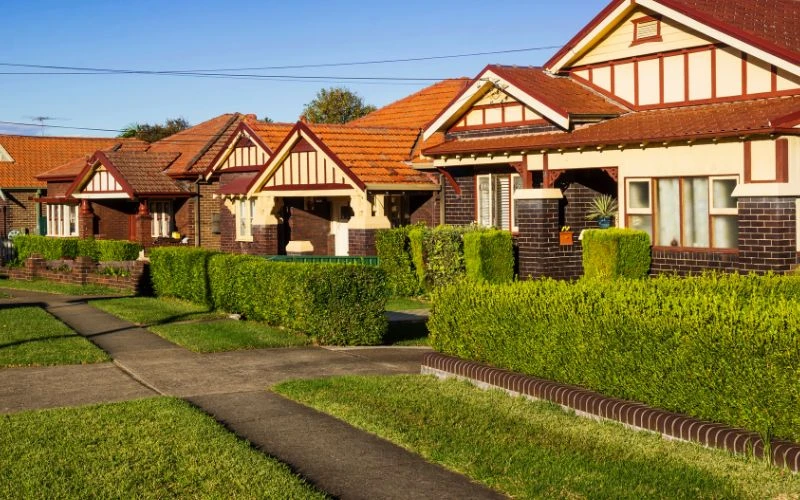

“Good design is obvious. Great design is transparent.” The words of designer Joe Sparano go perfectly with hardscaping. A well-planned outdoor space looks easy, but every choice affects its longevity, utility, and beauty. In Australia, where outdoor living is a big aspect of life, hardscaping has gone from being an afterthought to a key part of landscape design.
The decision between natural stone, coloured concrete, and permeable pavers can feel overwhelming at first glance. Each option has strengths, limitations, and ideal applications. The most crucial thing is to make sure that the materials fit the property's unique needs, duties, and weather. Hardscaping's long-lasting usefulness is just as important as how it looks. Picking the proper materials is one of the most crucial parts of building an outdoor space.
Natural Stone: Timeless Strength and Beauty
Natural stone is one of the strongest materials you can buy. Sandstone, granite, bluestone, and slate are popular building materials in Australia due to their durability and
distinctive display.
Benefits:
- Long-lasting life with minimum upkeep
- Different natural patterns and colours make every creation look different.
- Very resistant to changes in the weather and erosion.
Considerations:
- Costs more up front than other options.
- Professional installation is needed because of the heavy weight and uneven surfaces.
Natural stone is frequently the first choice for people who want a style that will last and look appealing. You may use this material outside on patios, pool decks, and feature pathways since it looks vintage. Natural stone is the perfect finishing touch for massive concrete driveway jobs in Endeavour Hills.
Coloured concrete: a cheap way to be flexible
Because it's strong and flexible, coloured concrete is now a key part of modern landscaping.
You can coat, stencil, or stamp the material to look like more expensive finishes without
spending a lot of money.
Benefits:
- Wide colour palette and texture options.
- Lower installation costs than natural stone.
- Strong durability for driveways, entertainment areas, and footpaths.
Considerations:
- Requires sealing to preserve colour and prevent fading.
- It can develop cracks if not laid with correct reinforcement.
This material is well-suited to family homes and large projects where functionality must balance with cost. In suburbs that require robust solutions for driveways and patios, Hallam projects often rely on coloured concrete patios for their strength and adaptability.
Permeable Pavers: Sustainable Functionality
Permeable pavers are getting increasingly popular as more people want to live in ways that are good for the world. Water can flow through the fissures and into the earth because of the way they are shaped. This helps maintain the groundwater level high and the amount of runoff low.
Benefits:
- It's healthy for the environment and helps with stormwater.
- Comes in many sizes, styles, and finishes.
- makes it less likely that water will pool and make you fall.
Considerations:
- It costs more to install than regular pavement.
- Requires proper installation to maintain permeability.
Permeable pavers are highly useful in regions where drainage systems are needed a lot. These upgrades will make your home or business appear nicer and assist the environment at the same time.
Key Takeaway
When picking materials for hardscaping, think about how they appear, how they work, and whether or not they will last. Coloured concrete is inexpensive and can be used in many different applications. Natural stone looks wonderful in high-end settings, and permeable pavers are both stylish and eco-friendly. By weighing these strengths and limitations, outdoor spaces can remain both practical and visually striking for decades.








Sign in to leave a comment.