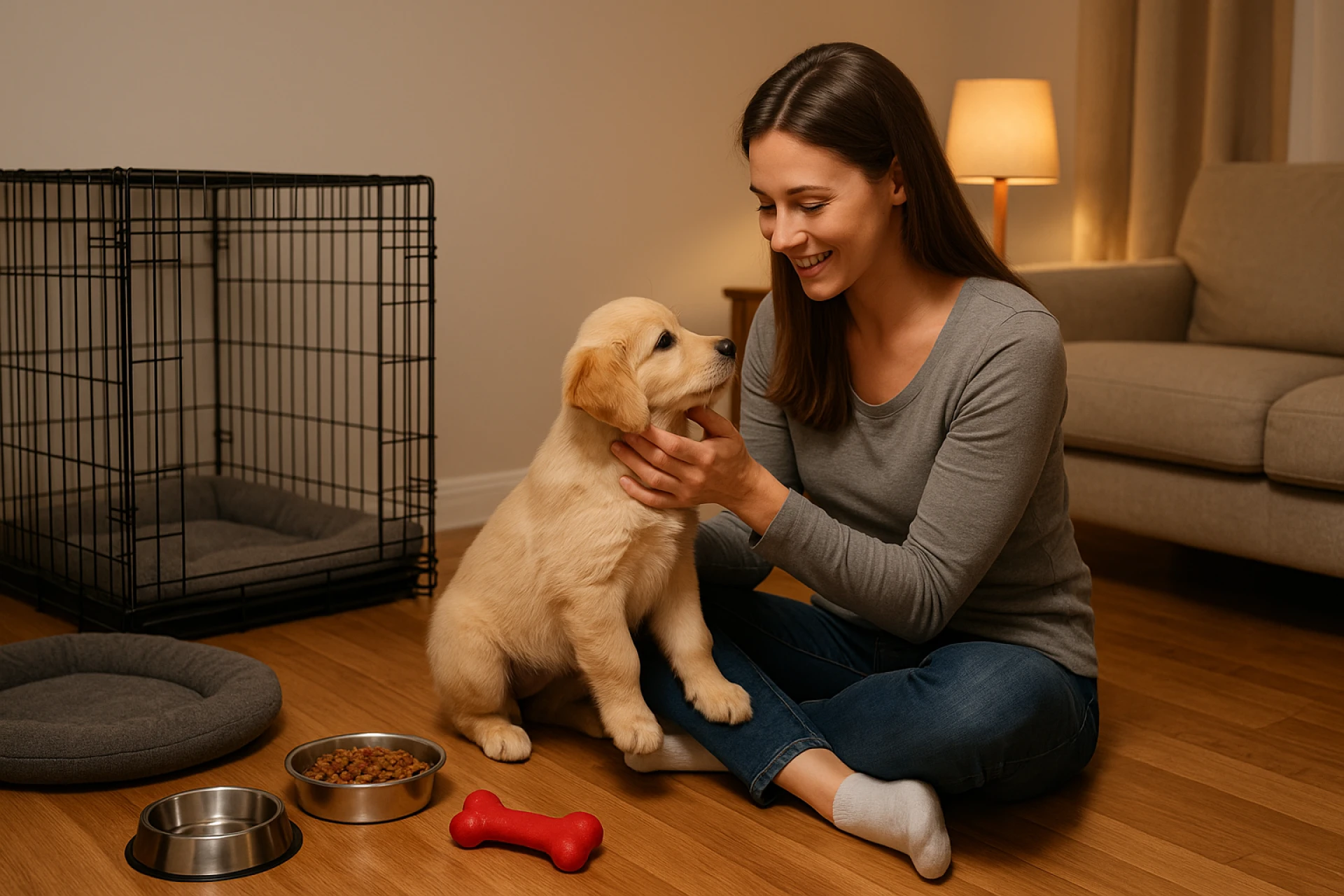

Bringing a new pet into your home is exciting. Whether it is a playful puppy, a curious kitten, or a rescued adult animal, the first days together set the tone for your relationship. Pets need time to adjust, and as their owner, you play a big role in making them feel safe and loved.
The transition can be overwhelming, but with preparation and patience, you can make it smooth for both you and your furry friend. Here are seven important things to do after bringing a new pet home.
1. Create a Safe Space
When you first bring your pet home, they may feel nervous or unsure. A safe space gives them somewhere to relax while they adjust.
- For dogs: A crate or a quiet corner with a bed works well.
- For cats: A small room with their litter box, food, and a hiding spot helps them feel secure.
Avoid overwhelming them with too much attention at once. Give them the choice to approach you when they feel ready. This helps build trust and reduces stress.
2. Stock Up on Essentials
Before your pet arrives, make sure you have all the basic supplies they will need. This prevents last-minute stress and makes your pet feel more at home.
Some essentials include:
- Food and water bowls
- High-quality pet food
- A bed or blanket
- Toys for play and comfort
- A leash, collar, or harness for dogs
- A litter box and scratching post for cats
Having everything ready shows your new pet that their needs will always be met.
3. Schedule a Veterinary Visit
One of the first steps after bringing a new pet home is to schedule a check-up with a veterinarian. This is important even if your pet seems healthy.
At the vet, you can expect:
- A physical exam
- Vaccination updates
- Parasite checks (fleas, ticks, worms)
- A discussion about spaying or neutering if not already done
Regular vet visits not only keep your pet healthy but also give you peace of mind. It is better to establish care early than wait for an emergency.
4. Establish a Routine
Pets thrive on routine because it helps them feel secure. From feeding to potty breaks, try to keep things consistent.
- Feeding: Serve meals at the same time each day.
- Exercise: Walks, playtime, or enrichment activities should follow a predictable pattern.
- Sleep: Create a bedtime routine to help them settle down at night.
A stable routine also makes training easier, since your pet learns what to expect and when.
5. Begin Training Early
Training is not just about teaching commands. It is about communication, structure, and safety. Starting early helps prevent problem behaviors from forming.
- For dogs: Teach basic commands like “sit,” “stay,” and “come.” Begin house training right away.
- For cats: Litter box training is usually quick, but you may also need to redirect scratching to posts or pads.
Use positive reinforcement with treats, praise, and patience. Harsh corrections only create fear. Training builds trust and strengthens your bond.
6. Focus on Socialization
Socialization is especially important for puppies and kittens, but adult pets benefit too. The goal is to expose them gradually to new experiences so they become well-adjusted and confident.
This might include:
- Meeting new people and friendly pets
- Getting used to different sounds (vacuum cleaners, doorbells, traffic)
- Taking short car rides
- Exploring safe outdoor areas
Always go at your pet’s pace. Forcing too much too quickly can create fear. Positive experiences build confidence and reduce anxiety later.
7. Give Plenty of Love and Patience
Perhaps the most important step of all is simply being patient and loving. Remember, your new pet is learning about you and their new home. They may make mistakes, feel scared, or need time to adjust.
- Celebrate small wins, like using the litter box or responding to a command.
- Be gentle when correcting unwanted behavior.
- Spend time bonding through play, cuddles, or just sitting together.
The early days are about building trust. With consistency and kindness, your pet will begin to feel secure and develop a strong bond with you.
Bonus Tips for a Smooth Transition
While the seven steps above cover the basics, here are a few extra tips that can help:
- Pet-proof your home: Keep cords, toxic plants, and small objects out of reach.
- Introduce slowly: If you already have pets, take introductions one step at a time to prevent stress or fights.
- Observe behavior: Watch for signs of stress like hiding, growling, or changes in appetite. These often fade as your pet adjusts.
- Keep expectations realistic: Adjustment can take days, weeks, or even months depending on the pet’s background.
What to Expect in the First Few Weeks
The first week may be rocky. Your pet might hide, have accidents, or test boundaries. By the second or third week, most pets begin to settle in as they learn your routine. Within a few months, they usually feel fully at home.
During this adjustment period, patience is your best tool. Every pet has their own timeline, and forcing progress too quickly can backfire. Let your pet take things at their own pace while you provide steady support.
Final Thoughts
Bringing a new pet home is the start of a beautiful journey. While the first days may come with challenges, they are also filled with opportunities to build trust, set routines, and create a loving environment.
By preparing ahead, showing patience, and following these seven steps, you set your new furry friend up for success. In return, they will give you years of love, companionship, and unforgettable memories.
At the end of the day, what your pet needs most is simple. They need your time, care, and love. With those in place, your home will quickly become their forever home.











Sign in to leave a comment.