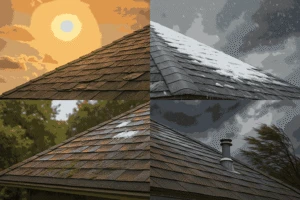

When most people think about roofing, their minds jump to color, style, or maybe even cost. But there’s one major factor that often gets overlooked, and that’s climate. The truth is, where you live has a huge say in how long your roof lasts and what kind of materials are best for your home.
In this article, we’re diving deep into the relationship between climate and roofing. We’ll explore how weather patterns, temperature extremes, and environmental elements can all influence your roof’s durability. Whether you’re planning a new roof or just curious about how yours is holding up, you’ll find plenty of useful information here.
Why Climate Matters More Than You Think
Let’s start with the basics. Every roofing material reacts differently to environmental stress. What performs well in a sunny, dry climate might crack or curl in wet or snowy conditions. Likewise, a roof that survives hailstorms like a champ may not handle intense UV rays quite as well.
Understanding your region’s climate and how it affects your roofing can help you choose smarter, maintain better, and save more money over time. Discover more here: https://www.dilsroofing.com/roofing-contractor-in-el-cajon/.
Heat and Sun Exposure: Tough Love from Above
If you live in a hot, sunny area like Arizona, Texas, or Southern California, your roof probably takes a daily beating from the sun. High temperatures and constant UV exposure can do more damage than you’d think.
What happens to roofing materials in heat?
- Asphalt shingles tend to dry out and become brittle, leading to cracks and curling.
- Wood shakes can warp or split when exposed to too much sun without proper sealing.
- Metal roofs, on the other hand, reflect sunlight well and stay cooler, making them a smart choice for hot climates.
Tip: Choose light-colored or reflective roofing materials if you live in a hot zone. They help deflect sunlight and keep your attic from becoming an oven.
Cold, Snow, and Ice: The Silent Roof Killers
If you’re in colder regions like the Midwest or Northeast, snow and ice bring a whole different set of challenges.
What’s the risk?
- Snow can build up and become heavy, putting strain on the roof structure.
- Ice dams, those ridges of ice that form at the edge of the roof, can cause water to back up and seep under shingles. This leads to leaks and rot.
- Freeze-thaw cycles can cause expansion and contraction in some materials, leading to cracks over time.
Best materials for cold climates:
- Slate and metal roofing are both excellent for shedding snow and standing up to temperature swings.
- Composite shingles are also a good option because they’re designed to flex slightly with changing temperatures.
Pro tip: Proper insulation and ventilation in your attic can go a long way in preventing ice dams and prolonging roof life.
Rain and Humidity: The Moisture Menace
In places like the Pacific Northwest or the Gulf Coast, heavy rain and high humidity are part of daily life. And moisture is the ultimate enemy of most building materials, roofs included.
How does moisture affect roofs?
- It can lead to mold, mildew, and algae growth, especially on shingles and wood shakes.
- It seeps into tiny cracks or under poorly installed roofing, rotting the underlayment or even the wooden structure beneath.
- Constant dampness can weaken sealants and flashing, increasing the chance of leaks.
Best choices for wet climates:
- Metal roofs and slate tiles perform well because they’re resistant to water damage.
- Asphalt shingles with built-in algae resistance are also widely used in humid areas.
Maintenance tip: Clean off moss and debris regularly. Check for any areas where water might be pooling or draining incorrectly.
Wind and Storms: Nature’s Tug-of-War
Coastal areas and tornado-prone regions face a unique challenge with strong winds. Hurricanes, tornadoes, and powerful storms can rip roofing materials clean off or, at the very least, loosen them enough for water to get inside.
Roofing materials and wind:
- Architectural shingles (a step up from 3-tab asphalt) are thicker and more wind-resistant.
- Metal roofs perform well because they’re installed in large, interlocking panels.
- Clay tiles can be problematic in high-wind areas unless properly secured, as they can crack or fly off.
Good to know: Many modern roofing materials are rated for wind resistance. Always ask your roofing contractor about the wind rating and installation methods.
Salt Air and Coastal Concerns
Living near the beach might feel like paradise, but salt in the air can be corrosive. Over time, salty air and humidity can wear down certain roofing materials faster than normal.
What to watch for:
- Metal roofs can corrode if they’re not coated or made from rust-resistant materials like aluminum or zinc.
- Wood shakes may degrade faster due to constant exposure to salty moisture.
- Clay tiles and slate tend to hold up better in salty environments.
If you’re coastal: Opt for roofing that’s labeled as coastal resistant or has protective coatings. Regular maintenance is key to extending roof life in beach towns.
How to Choose the Right Roofing for Your Climate
Picking the best roofing material isn’t just about aesthetics. It’s about survival. Here are a few quick tips to help you match your roof to your environment:
1. Understand your local climate trends. Look at average temperatures, rainfall, snowfall, and wind speeds.
2.Talk to a trusted local roofer. They’ll know what works best in your area and can offer recommendations based on years of experience.
3.Balance cost and longevity. Some materials might cost more upfront but last twice as long, making them a better investment.
4.Consider energy efficiency. In hot climates, reflective materials can save you money on cooling. In cold climates, heavier, insulated materials help trap warmth.
5.Don't skip regular inspections. Even the best roof won't last long if it's not properly maintained.
Final Thoughts: Your Roof vs. Mother Nature
At the end of the day, your roof is your home’s first line of defense against the elements. From the scorching sun to freezing snowstorms, every climate brings its own kind of wear and tear.
By choosing materials that are suited to your specific environment and giving your roof the care it needs, you’re not just protecting your house. You’re saving money, boosting energy efficiency, and gaining peace of mind.
So the next time you look up at your roof, remember this. It’s not just there for looks. It’s working hard, around the clock, battling the climate and doing its best to protect what matters most.










Sign in to leave a comment.