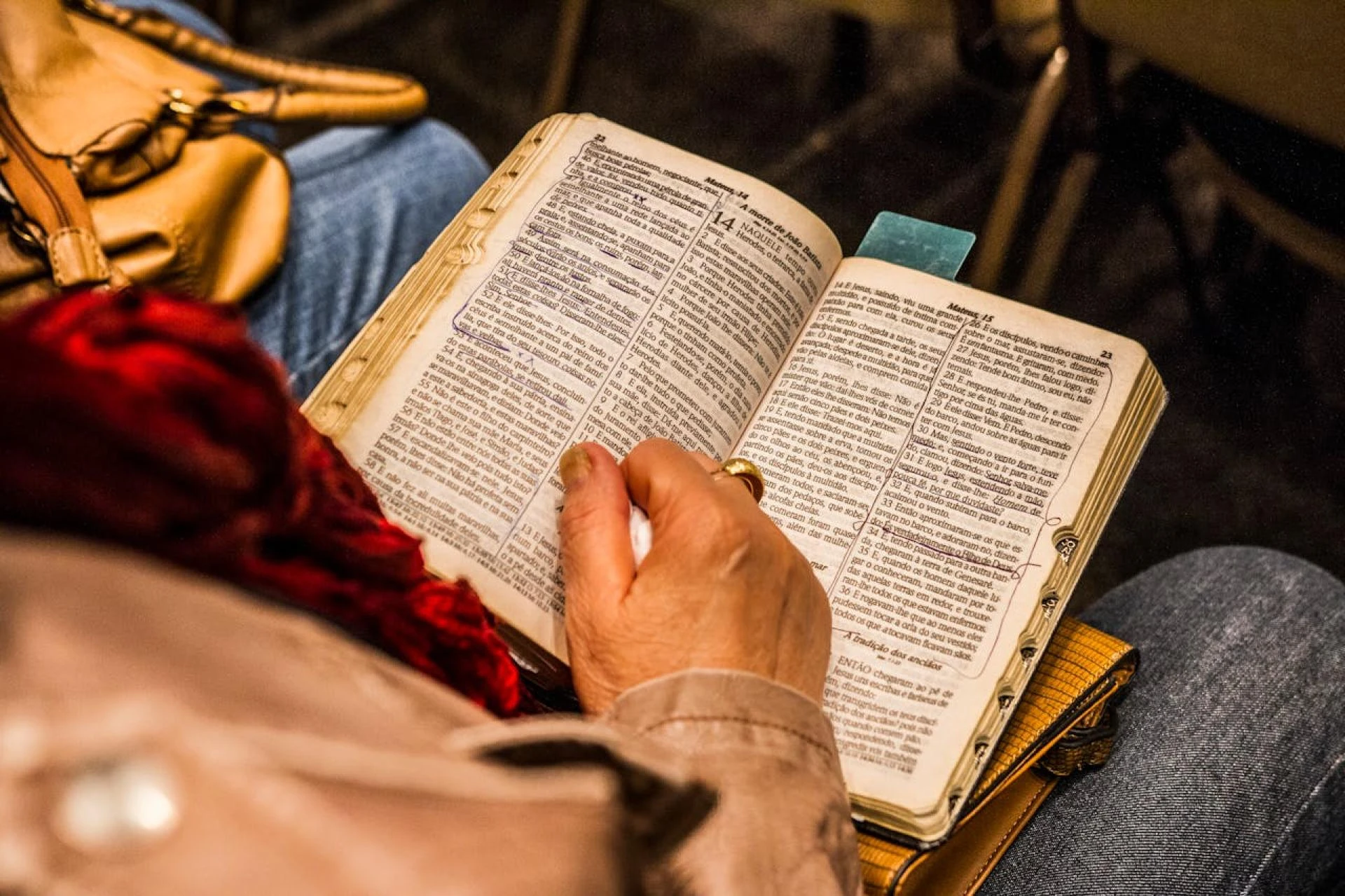

Spiritual suppression is the silencing of various modes of spiritual expression and the constraining of the liberty to practice a particular faith. This phenomenon exists in numerous forms and can be observed in both overt repression and the more subtle forces of social pressure, media censorship, and legal restrictions. A historical context reveals that there has always been a pattern of these pressures targeting spiritual and religious practices. Understanding the signs of growing suppression can create awareness and eventually safeguard global religious freedom.
Increasing Legal Restrictions on Religious Practices
A marked trend is emerging, characterized by the introduction of stricter regulations regarding religious observances globally. There are numerous countries that have enacted recent laws that prohibit public worship, impose limits on gatherings of worshipers, and control the educational content in religious establishments. These comprehensive laws tend to be devised with the intention of rendering the operations of the faith community more onerous and burdensome, and are increasingly stringent in authoritarian states. Such measures collectively contribute to diminishing the public expression of faith.
Growing Social Pressure against Faith Expression
Today, society seems to be adopting a decreasing readiness to support freedom of religious expression. More people are fearing the chance of facing unfair treatment because of their spiritual beliefs. This fear is more evident in work settings or when their religion becomes something people talk about in public. Now more than ever, people experience insults when they share their faith-based opinions during talks. Traditions or social trends pronouncing conventional religious ideals as old-fashioned are cutting off open discussions about faith issues.
Media Censorship of Spiritual Content
Harmonizing religion with the modern digital environment is becoming more difficult due to the notable factors of social media censorship. For example, your faith-centered posts might be taken down or even censored on different platforms, and movies, documentaries, or news coverage are increasingly distanced from spiritually themed topics or only approached with skepticism. Furthermore, many academic books also make a reference to faith. These media-related actions limit the range of spiritual conversations that can be undertaken in a broader context.
Targeting of Religious Communities and Leaders
Growing misuse of power against spiritual leaders and their institutions is reported worldwide. Increased incidences of detention of these leaders are marked, and systematic attacks on the physical sites of faith are also observed, e.g., mosques, temples, or church buildings. Alongside these phenomena, issues of persecution against different faith denominations, such as persecution of Christians, have also been brought to the forefront. These activities are not only local but also seem to be becoming a purposeful global scheme to indicate the rejection of spiritual authority.
Economic Pressure on Faith-Based Organizations
Religious institutions are undergoing extensive financial strain, compounded by dismal government policies and societal backlash. Not only are many faith-based charities being deprived of financial aid, but businesses that espouse religious values are also being boycotted. Tax laws are now being utilized to impose financial challenges on these organizations, further impeding their functioning and community service. These collectively create an adverse economic atmosphere for those organizations that are committed to making faith-based contributions.
Restrictions on Religious Education and Family Rights
Some increasing trends reveal an overall push towards curtailing the religious teaching that children can receive from their families and in academic environments. In many areas, the public school system or authorities prevent the learning of certain religious ideas and also the use of religious symbols. In many countries, not only is there censorship of personal religious upbringing, but it is also being replaced by mandatory secular programs, which tend to substitute deep-seated family values. The trend of limiting religious education is alarming because it affects future generations.
Digital Surveillance of Religious Activities
The new wave of digital oversight is an alarming development for religious liberty. Cyber-spies are watching online faith assemblages, gathering data on online donations, and subscribing to e-newsletters. Governments have started monitoring certain individuals and organizations in large numbers. This kind of surveillance culture has the propensity of creating an environment where individuals fear openly exercising their faith. This is because they fear being stalked and subjected to unnecessary persecution.
International Policies Limiting Missionary Work
Objects of international restrictions barring the practice of mission work have begun to appear, signifying a considerable repression of spiritual movements around the world. You may have heard of the policies of some countries making it impossible for missionaries to enter and serve in their regions. Laws are being enforced against people spreading their faith beyond their homeland, and as a result, they are subject to arrest or deportation. Such a trend signifies an increased effort to keep spirituality within the confines of one’s abode and to restrict its portability across nations.
Conclusion
Spiritual suppression is increasing, manifesting in different changes in the world. A historical inquiry of many societies shows that the past is not so different from present-day experiences of systematic spiritual disallowance. Due to the social, political, and economic strains, the world is suffocating with the voice that is supposed to be free in the spirit of dialogue and respect. In accordance with general human dignity and mutual respect, one should be insistent on the idea of spiritual freedom and allow others to adhere to their inner light under any conditions.










Sign in to leave a comment.