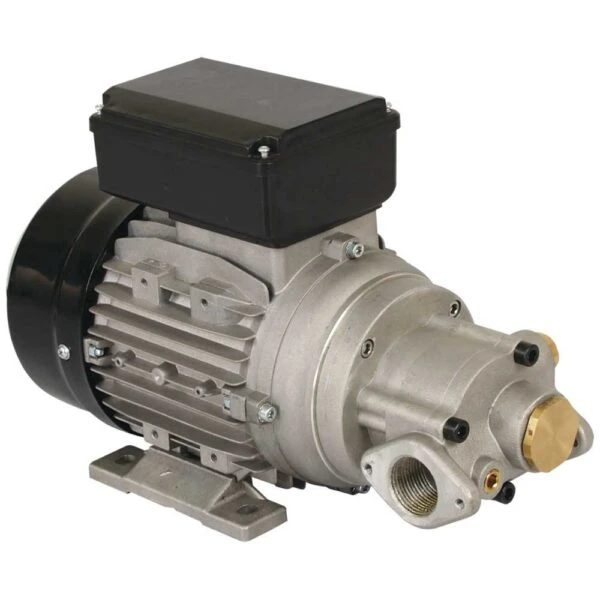

When it comes to efficiently moving oil from one container to another, an oil transfer pump is an indispensable tool. Whether you're in an industrial setting, a garage, or even handling farm equipment, these pumps ensure smooth, spill-free operations. With advancements in technology, electric oil pumps are becoming increasingly popular for their efficiency and ease of use.
What is an Oil Transfer Pump?
An oil transfer pump is designed to move oil and other lubricants safely and efficiently. Unlike traditional manual methods, these pumps reduce the risk of spills, contamination, and time-consuming transfers. They are widely used in industries such as automotive, agriculture, and manufacturing.
Oil transfer pumps come in different varieties, including manual, pneumatic, and electric oil pumps. While manual pumps are sufficient for small tasks, electric models provide speed, precision, and reduced physical effort, making them ideal for frequent use.
Types of Oil Transfer Pumps
1. Manual Oil Transfer Pumps
These are hand-operated and best suited for small-scale applications such as topping off engine oil or lubricating machinery. While affordable and easy to use, they require physical effort and can be slower compared to motorized options.
2. Electric Oil Pumps
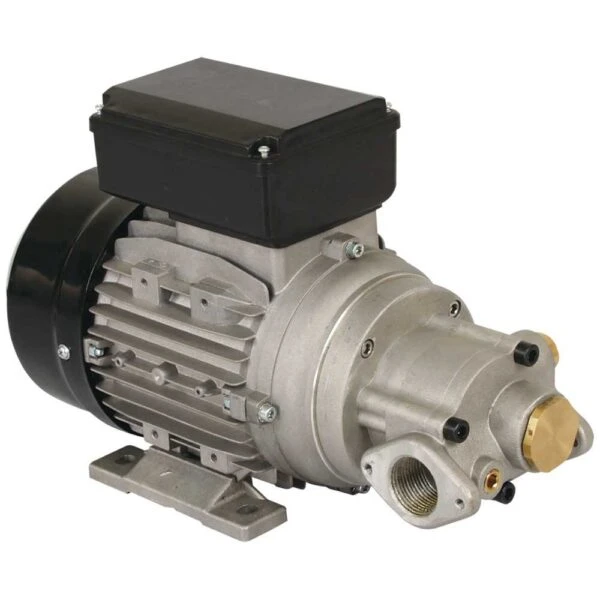
For those needing high efficiency, an electric oil pump is the best choice. These pumps are powered by electricity, offering continuous and automated oil transfer without manual intervention. They are commonly used in automotive garages, industrial facilities, and heavy-duty machinery maintenance.
3. Pneumatic Oil Transfer Pumps
These pumps operate using compressed air, making them a popular choice in industrial applications where electricity may not be feasible. They offer high durability and efficiency but require an air compressor to function.
Key Benefits of Using an Electric Oil Pump
- Efficiency: Reduces the time required to transfer oil significantly compared to manual pumps.
- Ease of Use: No manual effort required, making oil transfer a seamless process.
- Precision: Allows controlled dispensing of oil, minimizing waste and spills.
- Durability: Designed for long-term usage, making them cost-effective in the long run.
- Versatility: Suitable for a wide range of oils, including motor oil, hydraulic oil, and even some fuel types.
How to Choose the Right Oil Transfer Pump
When selecting an oil transfer pump, consider the following factors:
- Flow Rate: The speed at which the pump can transfer oil. Higher flow rates are ideal for industrial use, while lower rates suit smaller applications.
- Pump Type: Choose between manual, electric, or pneumatic depending on your needs and budget.
- Oil Viscosity Compatibility: Ensure the pump can handle the type of oil you’re transferring.
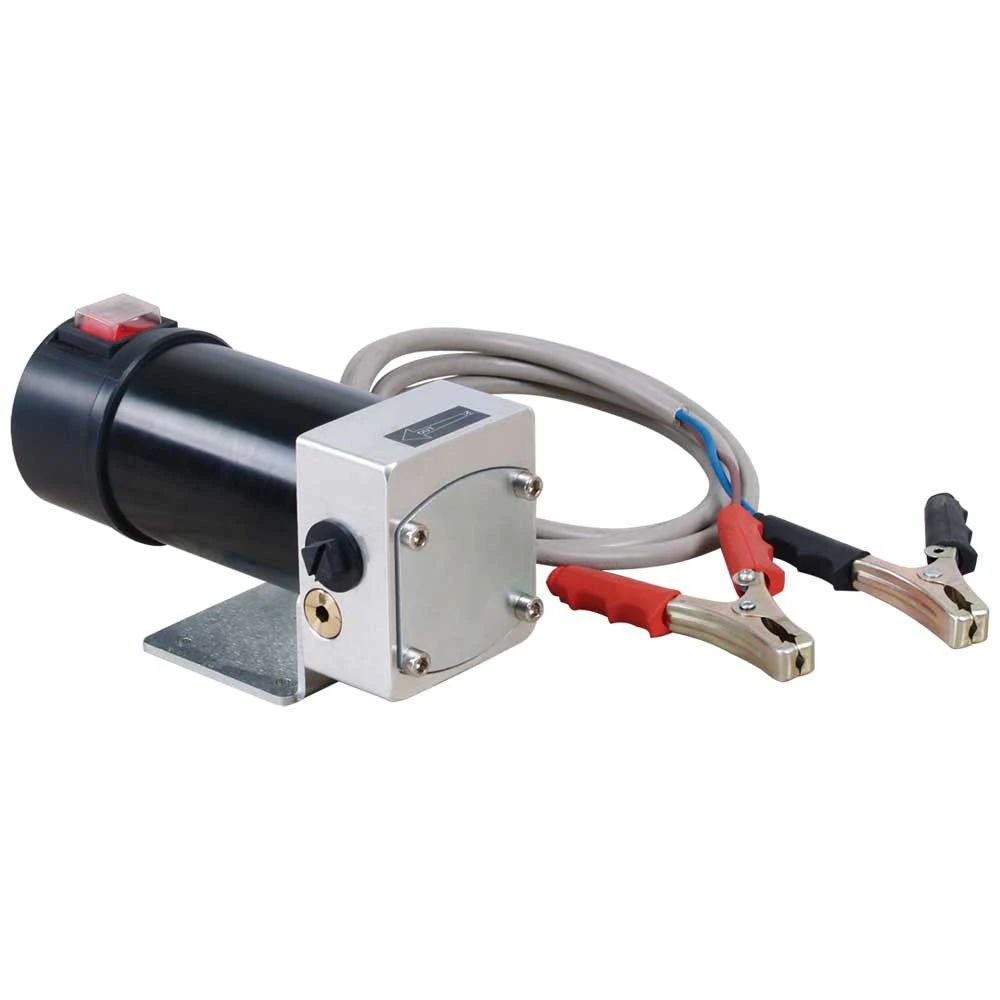
- Power Source: If opting for an electric oil pump, check whether it's battery-operated or requires a direct power source.
- Portability: For mobile operations, lightweight and portable pumps are the best choice.
Common FAQs About Oil Transfer Pumps
Q: Can I use an oil transfer pump for fuel as well?
A: Some pumps are designed to handle both oil and fuel, but always check the manufacturer’s specifications before use.
Q: Do electric oil pumps require maintenance?
A: Yes, regular maintenance, such as cleaning filters and checking for leaks, will ensure longevity and optimal performance.
Q: Are oil transfer pumps safe to use?
A: Absolutely! When used correctly, these pumps minimize spills and reduce the risk of contamination, making them safer than manual handling.
Testimonials
"I switched to an electric oil pump for my automotive shop, and it has been a game-changer! No more messy transfers or wasted time. Highly recommend!" – Mark R., Auto Mechanic
"Our farm equipment maintenance has become so much more efficient with a reliable oil transfer pump. It’s a must-have for anyone dealing with heavy machinery." – Susan T., Agricultural Business Owner
Conclusion
An Oil Flow Meter is a valuable tool that enhances efficiency, safety, and convenience when handling oil. Whether you need a simple manual pump or a high-powered electric oil pump, selecting the right one will streamline your operations and save time.










Sign in to leave a comment.