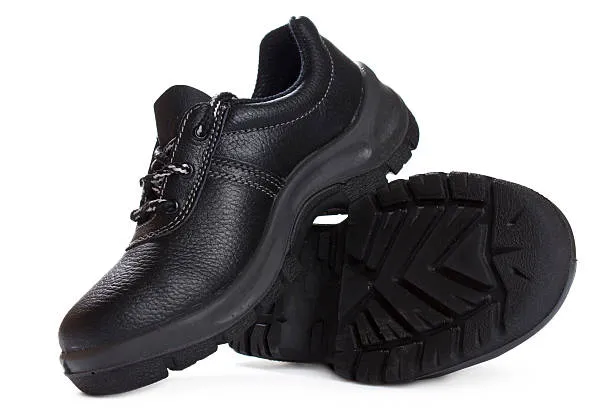
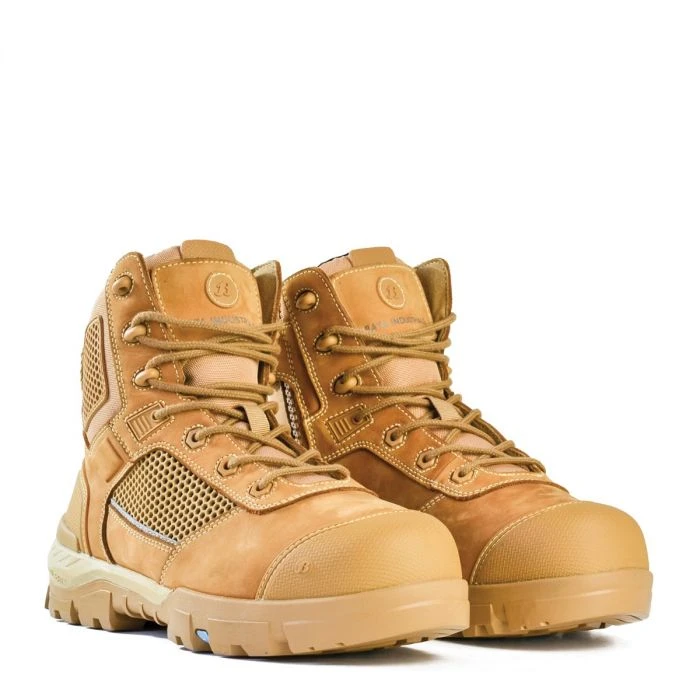
When winter arrives, working conditions can quickly become more demanding and hazardous. Cold temperatures, wet surfaces, mud, and even ice can turn a normal workday into a challenging experience. Whether you’re in construction, logistics, security, or outdoor trades, having the right pair of winter-ready black work boots is essential for safety, comfort, and productivity.
Why Winter-Ready Work Boots Matter
Standard work boots may perform well in mild conditions, but winter introduces additional challenges. Cold weather can reduce flexibility, wet conditions can soak through materials, and icy surfaces can increase the risk of slips and falls.
Winter-ready boots are specifically designed to handle these elements. They provide insulation, waterproofing, and enhanced grip—ensuring that your feet stay warm, dry, and secure throughout the day.
1. Insulation: Keeping Your Feet Warm
One of the most critical features of winter work boots is insulation. Without proper insulation, your feet can quickly become cold, leading to discomfort and even health issues such as frostbite in extreme conditions.
Look for boots with built-in thermal insulation materials such as Thinsulate or fleece linings. These materials trap heat while allowing moisture to escape, maintaining a comfortable internal temperature.
The level of insulation you need depends on your working environment:
- Mild winter conditions: Light insulation is sufficient
- Cold climates: Moderate insulation (200–400g)
- Extreme cold: Heavy insulation (600g or more)
Choosing the right level ensures warmth without overheating.
2. Waterproofing: Staying Dry in Wet Conditions
Winter often brings rain, snow, and slush—all of which can lead to wet feet if your boots aren’t properly sealed. Waterproofing is essential for maintaining comfort and preventing issues like blisters or fungal infections.
High-quality winter work boots use waterproof membranes or treated leather to keep moisture out. Some boots also feature sealed seams for added protection.
If your job involves prolonged exposure to water or snow, consider boots with full waterproof construction rather than just water-resistant materials.
3. Slip Resistance and Traction
Slippery surfaces are one of the biggest hazards during winter. Ice, snow, and wet floors can significantly increase the risk of workplace accidents.
To stay safe, choose boots with:
- Deep tread patterns for better grip
- Slip-resistant rubber outsoles
- Oil- and chemical-resistant properties for industrial settings
Some advanced boots even include specialised anti-slip technologies designed for icy conditions. Good traction not only improves safety but also boosts confidence while moving across challenging terrain.
4. Material and Durability
Winter work boots must withstand harsh environments, so durability is key. The most common materials used include:
- Full-grain leather: Highly durable, water-resistant, and long-lasting
- Synthetic materials: Lightweight and often more affordable
- Rubber components: Ideal for waterproofing and flexibility
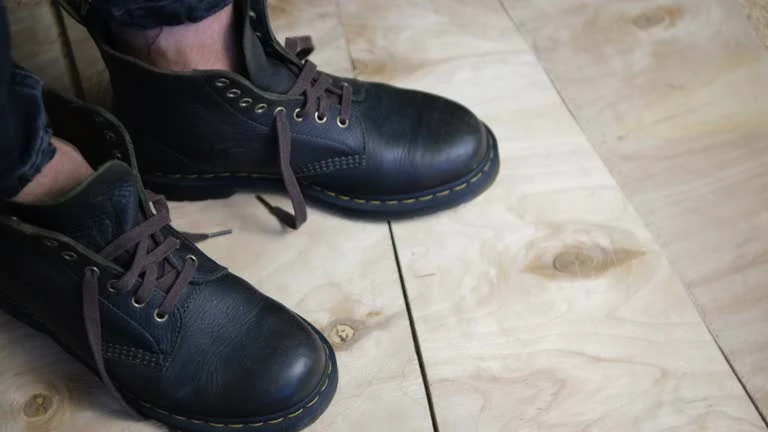
Black work boots are particularly popular because they are versatile, professional-looking, and better at hiding dirt and wear—making them suitable for a wide range of industries.
Investing in high-quality materials ensures your boots can handle daily wear and tear without compromising performance.
5. Comfort and Fit
No matter how durable or protective a boot is, it won’t be effective if it’s uncomfortable. Long hours on your feet require proper support and cushioning.
Look for features such as:
- Padded collars and tongues
- Cushioned insoles for shock absorption
- Arch support for reduced fatigue
- Breathable linings to prevent sweat buildup
A proper fit is equally important. Boots that are too tight can restrict circulation (making your feet colder), while loose boots can cause blisters and instability.
Always try boots with the socks you intend to wear during work to ensure the best fit.
6. Safety Features: Toe Protection and More
Depending on your industry, safety features may be mandatory. Winter-ready work boots often include:
- Steel toe caps: Protection against heavy impacts
- Composite toes: Lightweight and non-conductive alternatives
- Electrical hazard protection: For those working near electrical risks
- Puncture-resistant soles: Protection from sharp objects
These features ensure your boots meet workplace safety standards while still providing winter protection.
7. Weight and Flexibility
Heavy boots can cause fatigue, especially during long shifts. While winter boots tend to be slightly heavier due to insulation and added features, modern designs aim to balance protection with lightweight construction.
Flexible soles and ergonomic designs allow for natural movement, reducing strain on your feet and legs. This is particularly important for jobs that require frequent walking, climbing, or bending.
8. Style and Professional Appearance
While functionality is the top priority, appearance also matters—especially in customer-facing roles. Black work boots offer a clean, professional look that suits a variety of uniforms and industries.
They are easy to maintain and pair well with most workwear, making them a practical and stylish choice.
9. Maintenance Tips for Winter Work Boots
To extend the life of your boots and maintain their performance, regular care is essential:
- Clean off mud and salt after each use
- Dry boots naturally—avoid direct heat sources
- Apply waterproofing treatments periodically
- Store in a cool, dry place
Proper maintenance not only keeps your boots looking good but also ensures they continue to protect throughout the winter season.
10. Choosing the Right Pair for Your Needs
When selecting winter-ready black work boots, consider your specific work environment and daily tasks. Ask yourself:
- Will I be exposed to extreme cold or just mild winter conditions?
- Do I need waterproof or fully insulated boots?
- What safety features are required for my job?
- How many hours will I be wearing them each day?
By answering these questions, you can narrow down your options and choose a pair that meets your exact requirements.
Conclusion
Selecting the best winter-ready black work boots is about more than just picking a sturdy pair—it’s about ensuring your safety, comfort, and productivity in challenging conditions. From insulation and waterproofing to traction and durability, every feature plays a crucial role in helping you perform at your best.
With the right pair of boots, you can confidently tackle winter’s toughest conditions without compromising on performance or protection. Take the time to evaluate your needs, invest in quality, and prioritise comfort—your feet will thank you for it.










Sign in to leave a comment.