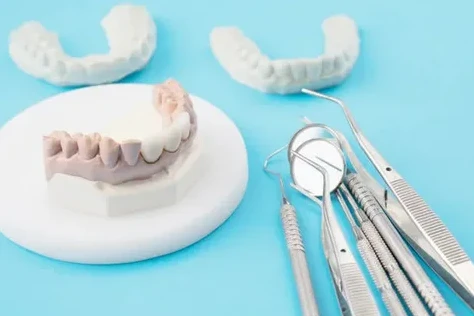

Your smile is more than just your confidence and your attitude; it is about your overall well-being. In communities across rural Ontario, patients have traditionally faced challenges such as longer travel times, limited appointment availability, and fewer on-site services. However, advancements in dental technology are transforming the way care is delivered. Today’s digital practices are helping patient care improve treatment plans that are more efficient than ever before.
From digital imaging to computer-guided treatment planning, modern dentistry is reshaping oral healthcare in meaningful ways. These advancements are ensuring that residents in smaller communities can benefit from the same high standards of care available in larger urban centres.
There are a number of approaches that are improving patient care through different mediums.
The Rise of Digital Imaging:
One of the most significant developments in recent years has been the shift from traditional film-based X-rays to digital radiography. Digital imaging systems capture highly detailed images of teeth, bone structures, and surrounding tissues while typically using lower radiation levels compared to conventional methods.
For patients in rural Ontario, this technology offers several advantages. Digital images are available instantly, allowing dentists to review and discuss findings during the same appointment. This immediate access helps streamline diagnosis and treatment planning.
It is essential to note that in cases where referrals are necessary, digital files can be securely shared with other healthcare professionals, supporting coordinated care without unnecessary delays and, most importantly, sharing data when required.
In addition to all the details, digital panoramic imaging and 3D cone beam computed tomography (CBCT) further enhance diagnostic accuracy. These tools provide comprehensive views of the jaw, sinuses, and supporting bone, assisting in the assessment of complex cases such as impacted teeth, implant planning, or temporomandibular joint (TMJ) concerns.
Intraoral Scanning and Precision Dentistry:
Among many other diagnostic options that are available, one of the most notable aspects is intraoral scanning. Traditional dental impressions, once created using trays and impression materials, are increasingly being replaced by intraoral scanners. These handheld devices capture highly accurate, three-dimensional images of the mouth in real time.
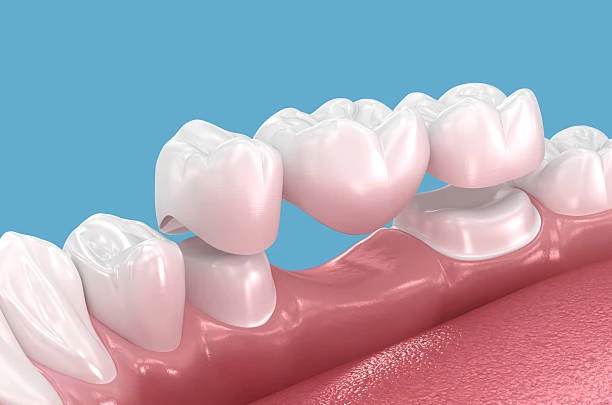
For patients who benefit from precision dentistry, technology means improved comfort and a customized care and treatment plan. For dental teams, digital impressions enhance precision in designing crowns, bridges, clear aligners, and other restorative treatments. The digital files are transmitted directly to dental laboratories, reducing the risk of distortion and minimizing the need for retakes.
Moreover, in most of the rural settings, these levels of effecieny is extremely valuable. Fewer remakes and faster turnaround times contribute to smoother treatment timelines, reducing the need for additional appointments and travel.
Computer-Aided Design and Manufacturing (CAD/CAM):
Computer-aided design and computer-aided manufacturing (CAD/CAM) systems represent another milestone in modern dentistry. With the introduction of advancement technology, patients have benefited from digital restoration.
While not every rural clinic may house full in-office milling equipment, the integration of CAD/CAM technology within dental laboratories ensures a high degree of precision and customization. Digital workflows reduce manual processes, resulting in restorations that fit more accurately and function effectively.
This technology supports consistent outcomes and promotes long-term oral health. Importantly, its implementation aligns with professional standards and regulatory requirements, ensuring that patient safety remains the highest priority.
Tele-dentistry and Improved Access:
Geographic distance has historically been a barrier for many rural residents seeking timely dental care. Tele-dentistry is emerging as a practical solution in certain circumstances, allowing preliminary consultations, follow-up discussions, and oral health education to take place remotely.
While in-person examinations remain essential for diagnosis and treatment, secure virtual communication tools can enhance continuity of care. Patients may have the opportunity to discuss concerns, review treatment plans, or receive post-operative guidance without unnecessary travel.
In Ontario, dental professionals adhere to regulatory guidelines established by the Royal College of Dental Surgeons of Ontario (RCDSO). Any use of digital communication platforms must comply with privacy legislation and professional standards, ensuring confidentiality and appropriate clinical oversight.
Enhanced Sterilization and Digital Recordkeeping:
Advancements in dental technology extend beyond clinical procedures. Modern sterilization systems, digital tracking, and electronic health records contribute to safer and more organized practice environments.
Digital record keeping allows for comprehensive documentation of patient histories, treatment plans, and radiographs in a secure and centralized format. This enhances communication within the dental team and supports informed decision-making.
In Rural communities, where healthcare providers often serve patients across generations, accurate digital records facilitate continuity of care within the communities. Whether a patient is returning after several years or transferring from another clinic, access to organized digital information ensures consistency and clarity.
Patient Education Through Visual Technology:
Another important aspect that technology brings to the desk of the patient. Digital dentistry improves patient education. High-resolution intraoral images and digital scans enable patients to see areas of concern firsthand. When individuals can visualize their oral health condition, they are better equipped to understand recommended treatments and preventive strategies.
Educational software and chairside monitors provide visual explanations of procedures, empowering patients to make informed decisions. This collaborative approach strengthens trust and encourages long-term commitment to oral health maintenance.
Conclusion:
As dental technology continues to evolve, rural communities across Ontario stand to benefit from ongoing innovation. Future developments may further streamline diagnostics, enhance preventive strategies, and strengthen collaboration between healthcare providers.
Ultimately, the goal of digital dentistry is not simply modernization. It improves patient care. Through responsible adoption of advanced tools and strict adherence to regulatory guidelines, dental practices in rural Ontario are ensuring that patients receive comprehensive, ethical, and high-quality treatment close to home.











Sign in to leave a comment.