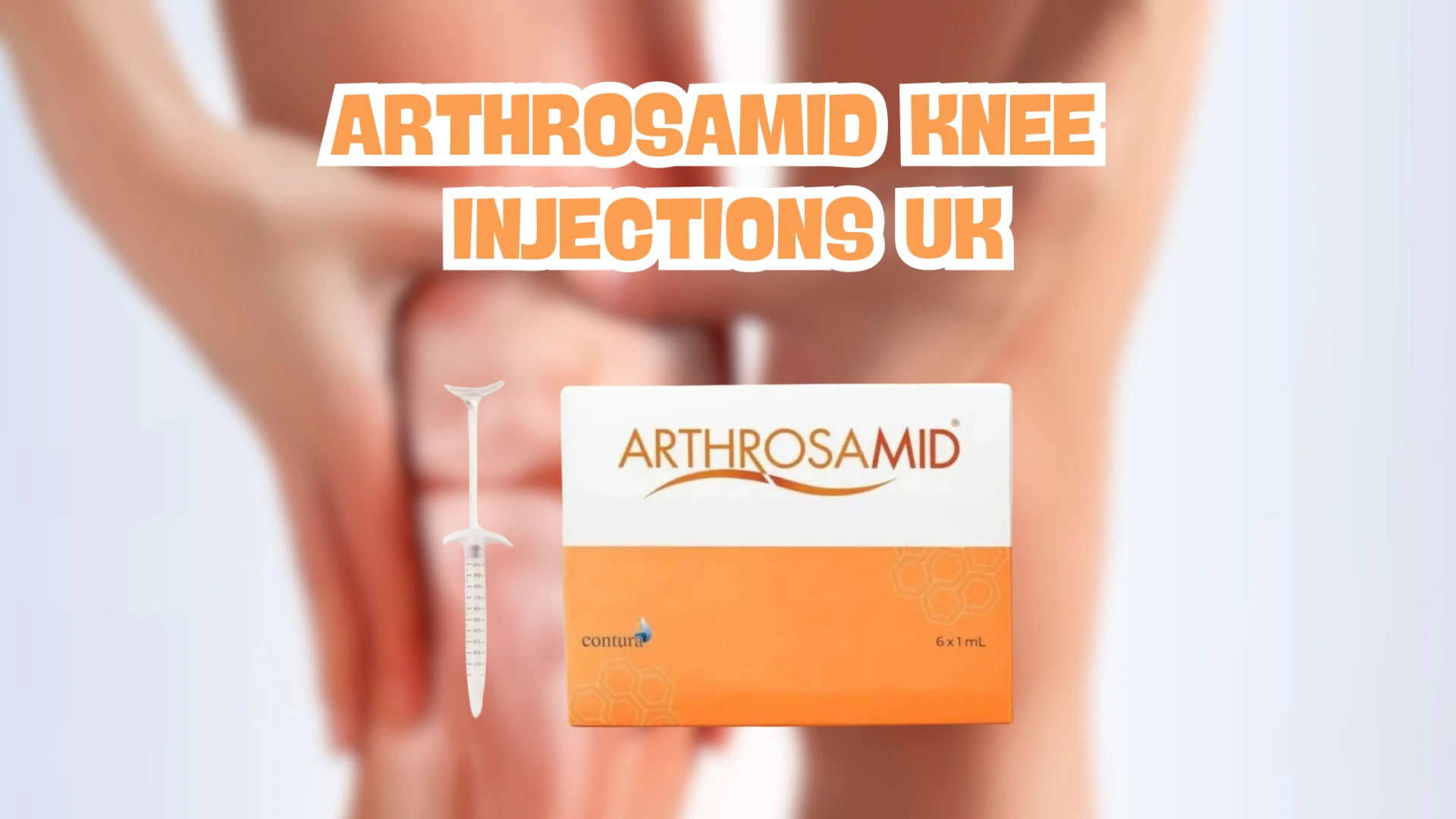

Arthrosamid Injection in London: Is It Right for You?
Living with knee osteoarthritis is exhausting. The ache that greets you every morning, the stiffness after sitting too long, the way a simple walk to the shops becomes something you have to mentally prepare for — it takes a real toll. For many people, the NHS journey offers limited relief: a course of physiotherapy, steroid injections that wear off within weeks, and the distant prospect of a joint replacement that feels premature.
If that sounds familiar, you may have come across Arthrosamid — a longer-lasting, non-surgical knee injection now available privately in the UK. This post explains exactly what an Arthrosamid injection is, how the procedure works, who it is suitable for, what the clinical evidence says, and what it costs at RAD Clinics. By the end, you should have a clear picture of whether it is worth exploring further.
What Exactly is an Arthrosamid Injection and How Does It Work?
Arthrosamid is an injectable polyacrylamide hydrogel (iPAAG) — a remarkably simple compound made of 97.5% non-pyrogenic water and 2.5% cross-linked polyacrylamide. That simplicity is part of what makes it interesting clinically.
When injected into the synovial cavity of the knee, the hydrogel integrates into the synovial tissue of the inner capsule, forming a soft cushioning layer that reduces friction, improves joint lubrication, and is thought to help interrupt the inflammatory cycle driving osteoarthritis pain. Crucially, Arthrosamid is non-biodegradable — it does not break down over time. This is what sets it apart from many traditional options.
Corticosteroid injections, for example, typically provide relief for less than six months and can have adverse effects on joint tissue with repeated use. Hyaluronic acid injections have variable results, and their effects are generally short-lived. Arthrosamid is designed to provide prolonged relief from a single treatment, which is a meaningful clinical distinction for patients who have been caught in a cycle of repeat injections with diminishing returns.
Am I a Suitable Candidate for Arthrosamid Injections for Knee Arthritis?
Arthrosamid is primarily indicated for adults with mild to moderate knee osteoarthritis — confirmed both clinically and through imaging — who are looking for a non-surgical solution to manage their symptoms.
Before any injection is booked at RAD Clinics, a mandatory face-to-face consultation is required to triage suitability. This appointment (£140, which includes an ultrasound scan and report) is a genuine safeguard, not an administrative hurdle. It ensures the treatment is appropriate for your specific condition before any commitment is made.
There are circumstances in which Arthrosamid may not be appropriate. These include active joint infection, known hypersensitivity to the product's components, or severe osteoarthritis where surgical intervention may offer better outcomes. Your clinician will discuss your full history at the consultation — that conversation is where suitability is properly determined.
What Does the Arthrosamid Knee Injection Procedure Involve?
The procedure is minimally invasive and performed on an outpatient basis at RAD Clinics. No hospital admission is required.
Here is what to expect:
- Pre-injection appointment (~30 minutes): Prophylactic antibiotics are administered ahead of the procedure to reduce the risk of infection
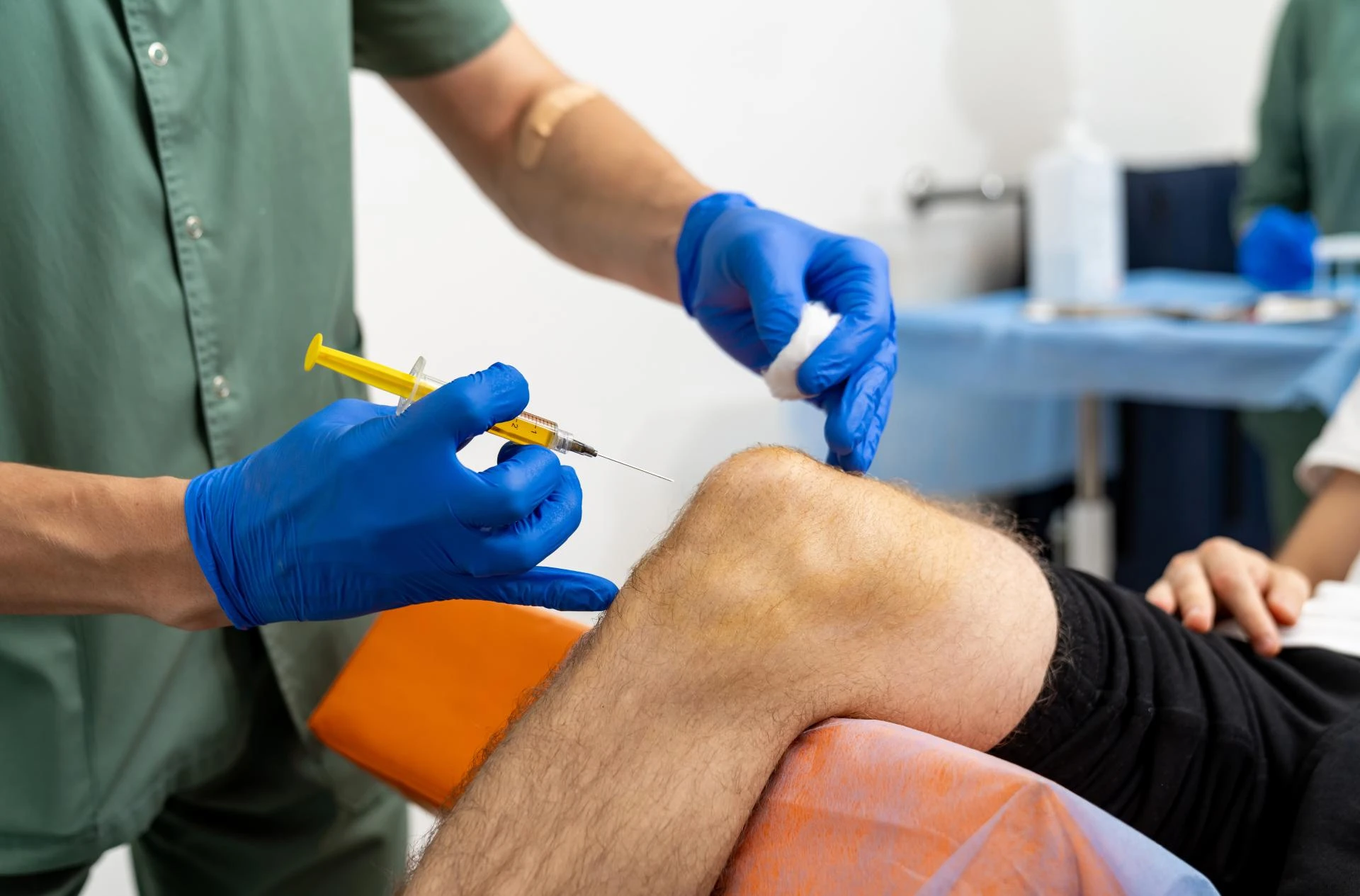
- The injection (~30–45 minutes): The area around the knee is sterilised, and a local anaesthetic may be applied to reduce discomfort. A single 6 ml dose of Arthrosamid is then injected via a fine needle (21G) directly into the intra-articular cavity under ultrasound guidance
- Recovery: Most patients can resume light activities shortly after treatment, with minimal downtime required
All aftercare guidance and any concomitant therapy recommendations will be discussed at your appointment.
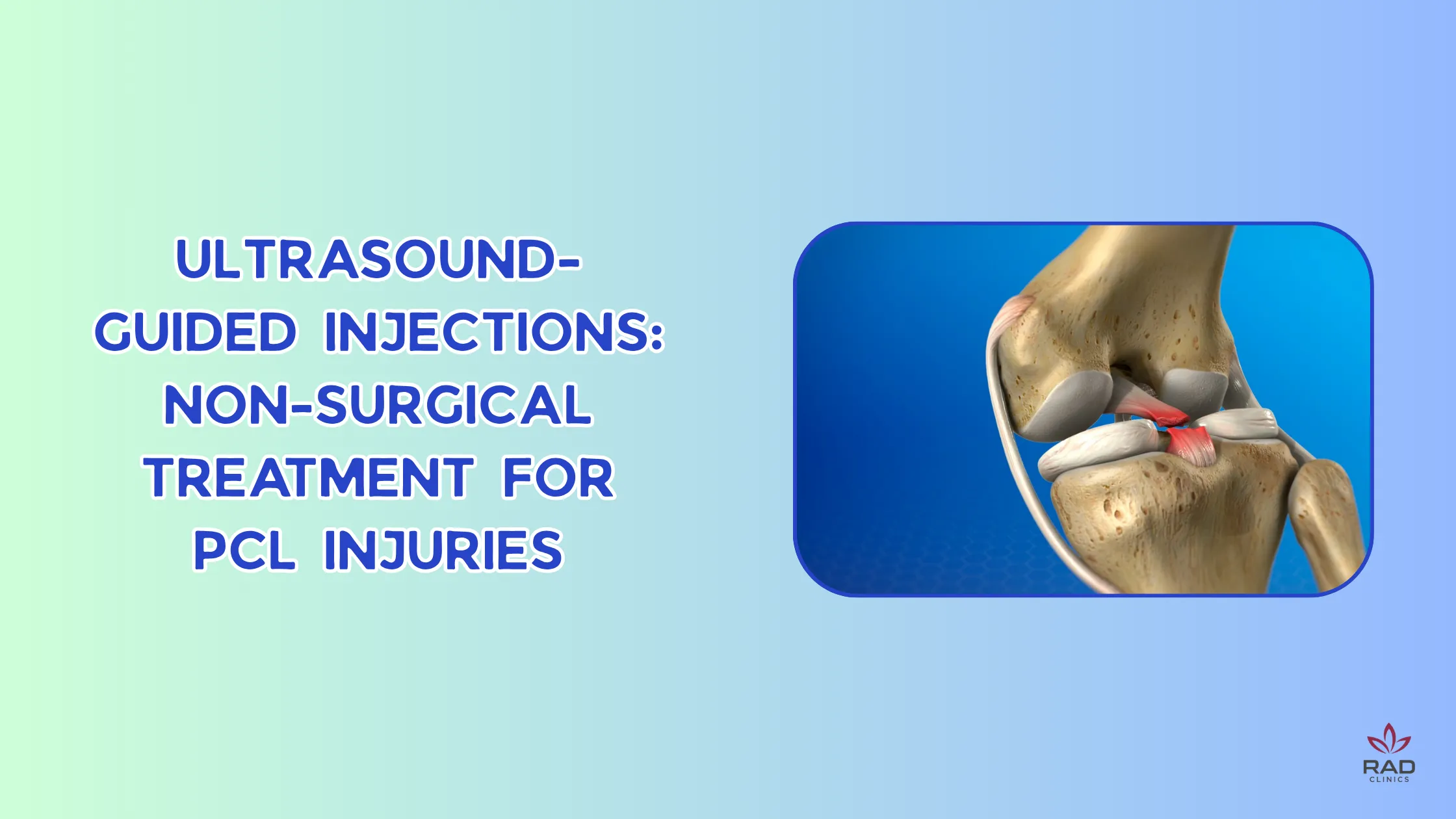
Why Does RAD Clinics Use Ultrasound-Guided Arthrosamid Injections?
Ultrasound guidance allows the clinician to visualise the needle and joint cavity in real time, ensuring the hydrogel is placed precisely where it needs to be for optimal distribution. This matters more than it might seem.
In the 2024 open-label clinical study published in the Journal of Orthopaedic Surgery and Research (Bliddal et al.), all 49 participants received their Arthrosamid injection under ultrasound guidance — reflecting a clinical consensus that accurate placement is fundamental to the treatment's effectiveness. Ultrasound also helps clinicians navigate around surrounding soft tissue structures, reducing the risk of misplacement and improving patient comfort throughout the procedure.
Landmark-based injections — where needle placement is estimated from anatomical reference points alone — carry a higher risk of inaccurate delivery. RAD Clinics' use of ultrasound guidance reflects both the clinical evidence and their broader expertise in diagnostic imaging.
What Are the Key Benefits and Possible Arthrosamid Side Effects?
Benefits
The clinical picture for Arthrosamid is encouraging. The 2024 Bliddal et al. open-label study (n=49, mean age 70) showed:
- A statistically significant reduction in WOMAC pain scores at 52 weeks: −17.7 points (95% CI −23.1 to −12.4, p < 0.0001)
- 62.2% of participants were OMERACT-OARSI positive responders at week 52 — a validated composite measure of treatment response used in osteoarthritis research
- Sustained improvements in stiffness (−11.0 points), physical function (−18.0 points), and Patient Global Assessment (−16.3 points) through to one year
A separate 24-month cohort study (Gao et al., Journal of Clinical Orthopaedics and Trauma, 2025) reported continued improvement in OA symptoms at the two-year mark, particularly in older, non-diabetic patients with lower Kellgren-Lawrence grades — suggesting the treatment may hold up well over time in appropriately selected patients.
Longer-term data from a three-year extension of a randomised controlled trial (Bliddal et al., Clinical and Experimental Rheumatology, 2025) found a mean change in WOMAC pain of −13.1 points (p < 0.0001) at year three, with none of the adverse events reported between years one and three assessed as related to the treatment.
Alongside the clinical data, Arthrosamid's non-biodegradable composition — and its long-standing safety record in soft tissue augmentation and urinary incontinence bulking applications spanning over two decades — provides additional context for its tolerability profile.
Potential Side Effects
No treatment is without risk, and it is important to have an honest picture. In clinical studies, adverse events were generally mild, and none of the new adverse events recorded between weeks 26 and 52 in the Bliddal et al. study was considered device-related. Potential risks include temporary post-injection discomfort or swelling at the injection site, a rare risk of joint infection (mitigated by prophylactic antibiotics and a strict sterile technique), and rare allergic reactions.
Your clinician at RAD Clinics will review your full medical history before treatment to identify any specific risk factors.
What is the Arthrosamid Injection Cost at RAD Clinics?
RAD Clinics is transparent about pricing:
- One knee: £2,290
- Both knees (same appointment): £4,400
- Initial suitability consultation (mandatory): £140 — includes face-to-face triage, ultrasound scan, and written report
The injection fee covers the antibiotics appointment, the procedure itself, and a detailed clinical report.
Arthrosamid is not currently available on the NHS, so private payment is the route for most patients. Across the UK, private clinics typically charge between approximately £2,300 and £3,300 per knee — RAD Clinics sits competitively within that range. Some insurance providers may cover or contribute to the cost; it is worth checking with your insurer before booking, as RAD Clinics cannot guarantee reimbursement.
On a cost-versus-value basis, a single injection with the potential to deliver meaningful relief for two or more years compares favourably to the cumulative expense — and disruption — of repeated short-term treatments.
What Do Real Patients Say? Analysing Arthrosamid Reviews and Outcomes
The clinical data builds a coherent case: in appropriately selected patients, a single iPAAG injection produces meaningful and sustained improvements in pain, stiffness, and function. The 52-week open-label data shows statistically significant results, and the 24-month and 3-year follow-up studies indicate that benefits can persist well beyond the first year for many patients.
At RAD Clinics specifically, the broader patient experience is well-documented. The clinic holds a 5.0-star rating from over 335 Google reviews, with a summary noting: "instant relief and noticeable improvement post treatment," "professional, friendly, and knowledgeable staff providing personalised care," and "quick and easy booking with thorough analysis."
It is worth noting that these reviews reflect RAD Clinics' services as a whole — not Arthrosamid exclusively. However, they are a meaningful indicator of the standard of clinical care and patient experience you can expect throughout your treatment journey.
Why Choose RAD Clinics for Your Arthrosamid Injection?
RAD Clinics is accredited by the Care Quality Commission (CQC) and works with practitioners registered with the HCPC, affiliated with the Society of Radiographers, the Chartered Society of Physiotherapy, the GMC, the NMC, and the Royal College of Podiatry. That breadth of accreditation reflects a commitment to accountable, evidence-based practice across specialities.
Their use of ultrasound guidance for all Arthrosamid injections is a clinical differentiator — and the mandatory suitability consultation before any procedure is booked is a mark of responsible, patient-centred care. You will not be pushed into a treatment that is not right for you.
Booking is straightforward: you can arrange your initial consultation online or by calling the clinic directly.
Taking the Next Step Towards Lasting Joint Pain Relief
Arthrosamid is not a cure for knee osteoarthritis, and it will not be the right fit for every patient. But for adults with mild to moderate disease who are frustrated by the short-lived results of conventional injections and are not yet ready — or suitable — for surgery, the clinical evidence is genuinely encouraging. Delivered under ultrasound guidance by experienced practitioners, it represents a well-supported, minimally invasive option worth considering.
The most important first step is finding out whether it is right for you. Book your suitability consultation at RAD Clinics — including your ultrasound scan and clinical report — and get a clear, expert assessment of whether an Arthrosamid knee injection makes sense for your situation.
Common Questions About Arthrosamid Injections
Why is Arthrosamid not available on the NHS?
NICE reviewed Arthrosamid for potential guidance development under project reference GID-MT606, but concluded it was "not eligible for Health Technology Evaluation guidance" due to insufficient evidence at that time. The NHS requires robust RCT-level evidence before commissioning new treatments, and most Arthrosamid data currently derives from open-label and observational studies. This does not mean the treatment is unsafe or ineffective — it simply has not yet met the NHS evidence threshold for widespread commissioning. Ongoing clinical research may change that picture in the future.
Do Arthrosamid injections work?
The evidence is positive. The 2024 Bliddal et al. open-label study demonstrated statistically significant reductions in WOMAC pain, stiffness, and physical function scores at 52 weeks, with 62.2% of participants classed as OMERACT-OARSI responders. A 3-year RCT extension study found sustained pain reduction (WOMAC pain change −13.1, p < 0.0001) with no device-related adverse events. That said, current evidence is weighted towards open-label study designs, and further large-scale RCT data would strengthen the evidence base further.
How long does an Arthrosamid injection last?
Clinical evidence supports meaningful relief for at least 12 months from a single injection, with 24-month data indicating continued improvement in certain patient groups. Because Arthrosamid is non-biodegradable, the hydrogel does not degrade over time — though individual responses will naturally vary.
Can I walk after a gel injection in my knee?
Most patients can resume light walking and daily activities shortly after the procedure. Your RAD Clinics clinician will provide specific post-procedure guidance; strenuous activity should generally be avoided during the initial recovery period.
Can I drive myself home after a knee injection?
Because a local anaesthetic may be used during the procedure, patients are typically advised not to drive immediately afterwards. Plan for alternative transport and confirm this with your clinician at the time of your consultation.










Sign in to leave a comment.