
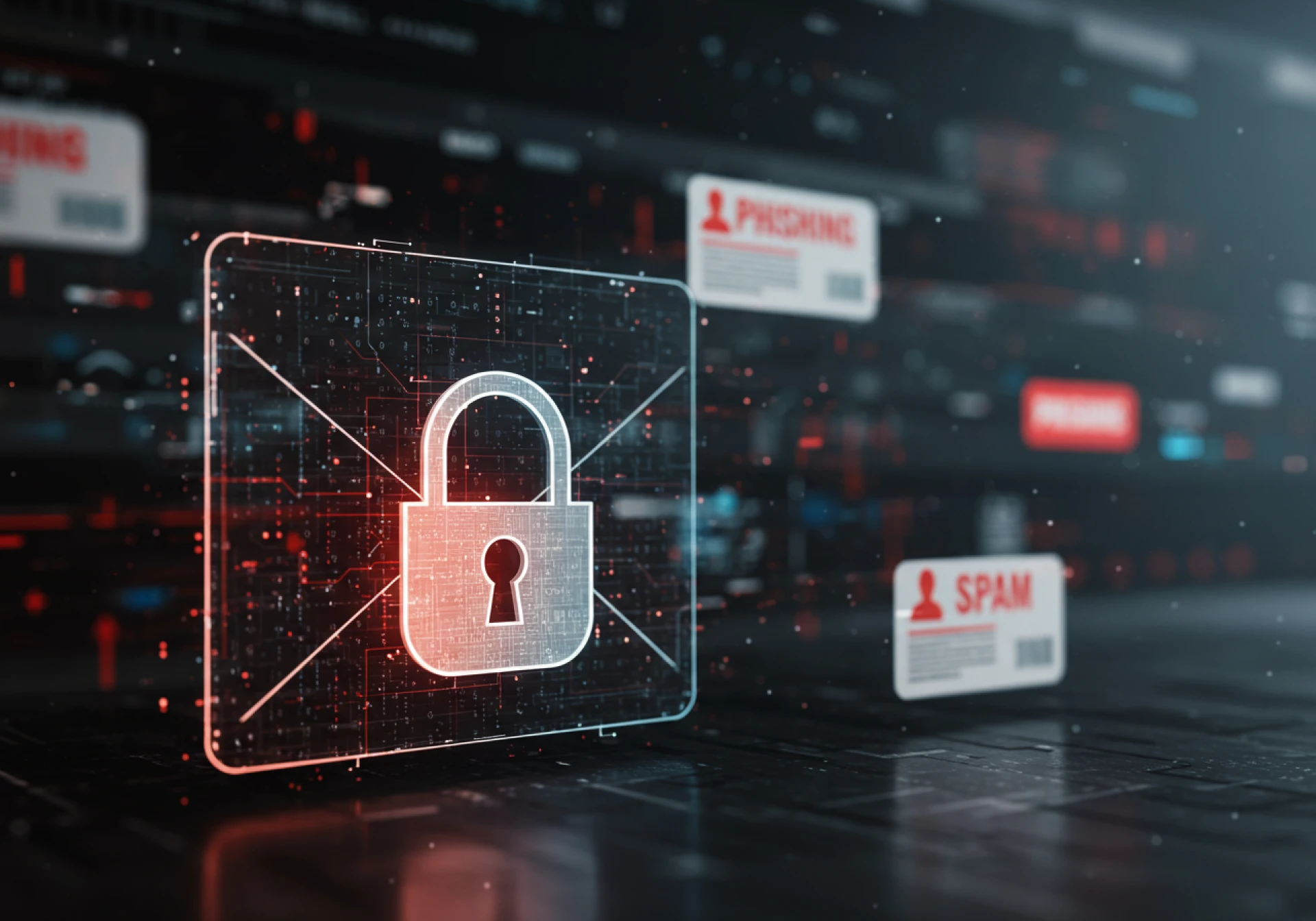


Email remains one of the most essential communication tools for businesses, but it is also a prime target for cybercriminals. Phishing, spoofing, and spam attacks can lead to financial losses, data breaches, and reputational damage. Implementing strong email security best practices is crucial to protecting your business from these malicious threats. This article explores the most common email security threats, how they work, and best practices to safeguard your organization from potential attacks.
In today’s digital world, businesses rely on IT infrastructure to support operations, store data, and deliver services. One of the most critical decisions organizations face is choosing between cloud-based solutions and on-premises infrastructure. Each option has distinct advantages and drawbacks, making the choice highly dependent on a company’s specific needs, budget, and security requirements. In this article, we’ll compare cloud and on-premises IT solutions to help you determine which is best suited for your business.
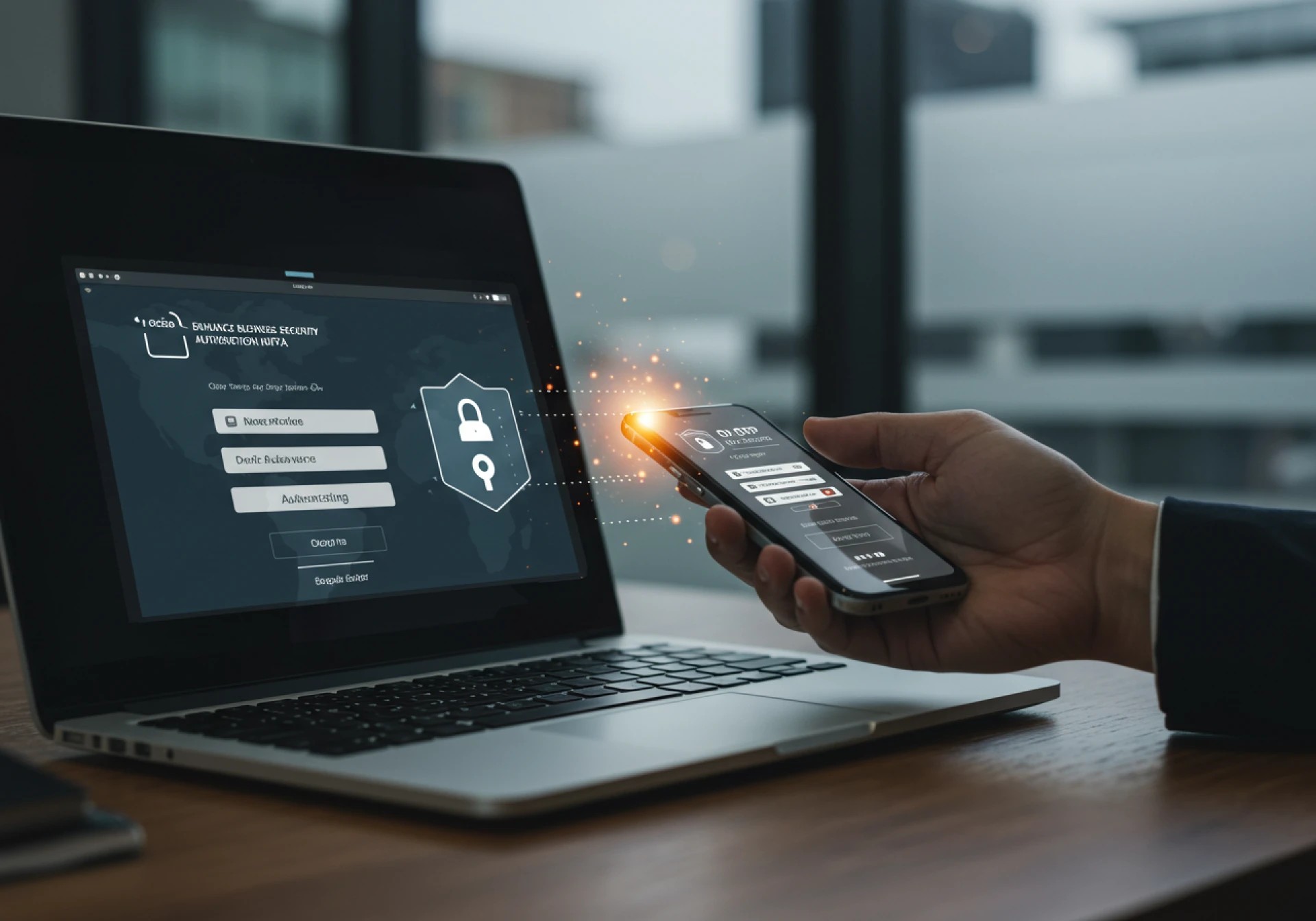
Cybersecurity threats are more sophisticated than ever, and businesses must take extra precautions to protect sensitive data, customer information, and internal systems. Passwords alone are no longer sufficient to prevent unauthorized access, as they can be stolen, guessed, or leaked through data breaches. This is where multi-factor authentication (MFA) plays a crucial role. MFA adds an extra layer of security by requiring users to verify their identity through multiple methods before granting access to systems, applications, or sensitive data. By implementing MFA, businesses significantly reduce the risk of unauthorized access and enhance their overall cybersecurity posture. In this article, we explore what MFA is, why it’s essential for businesses, and how it helps prevent cyber threats.
Email remains a critical communication tool for businesses, serving both informational and promotional purposes. However, not all emails serve the same function. Two primary categories of business emails are transactional emails and marketing emails. While both are essential, they differ in purpose, content, and regulations governing their use. In this article, we’ll break down the differences between transactional and marketing emails, when to use each, and best practices to maximize their effectiveness.