
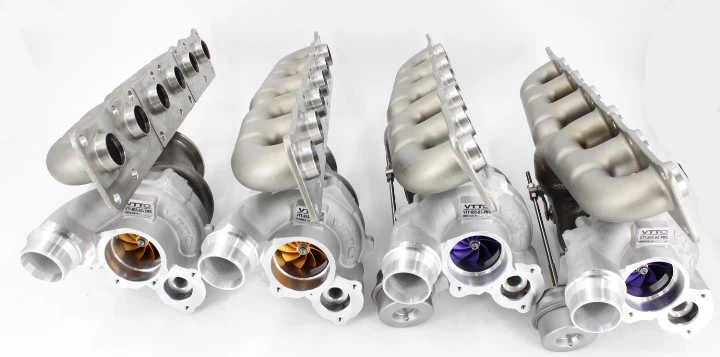
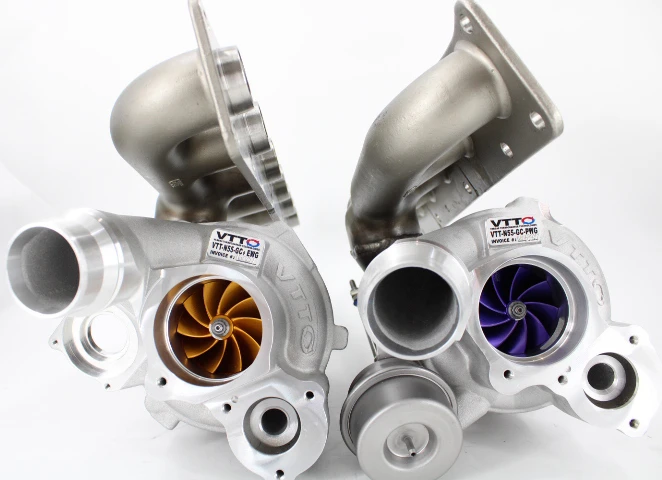
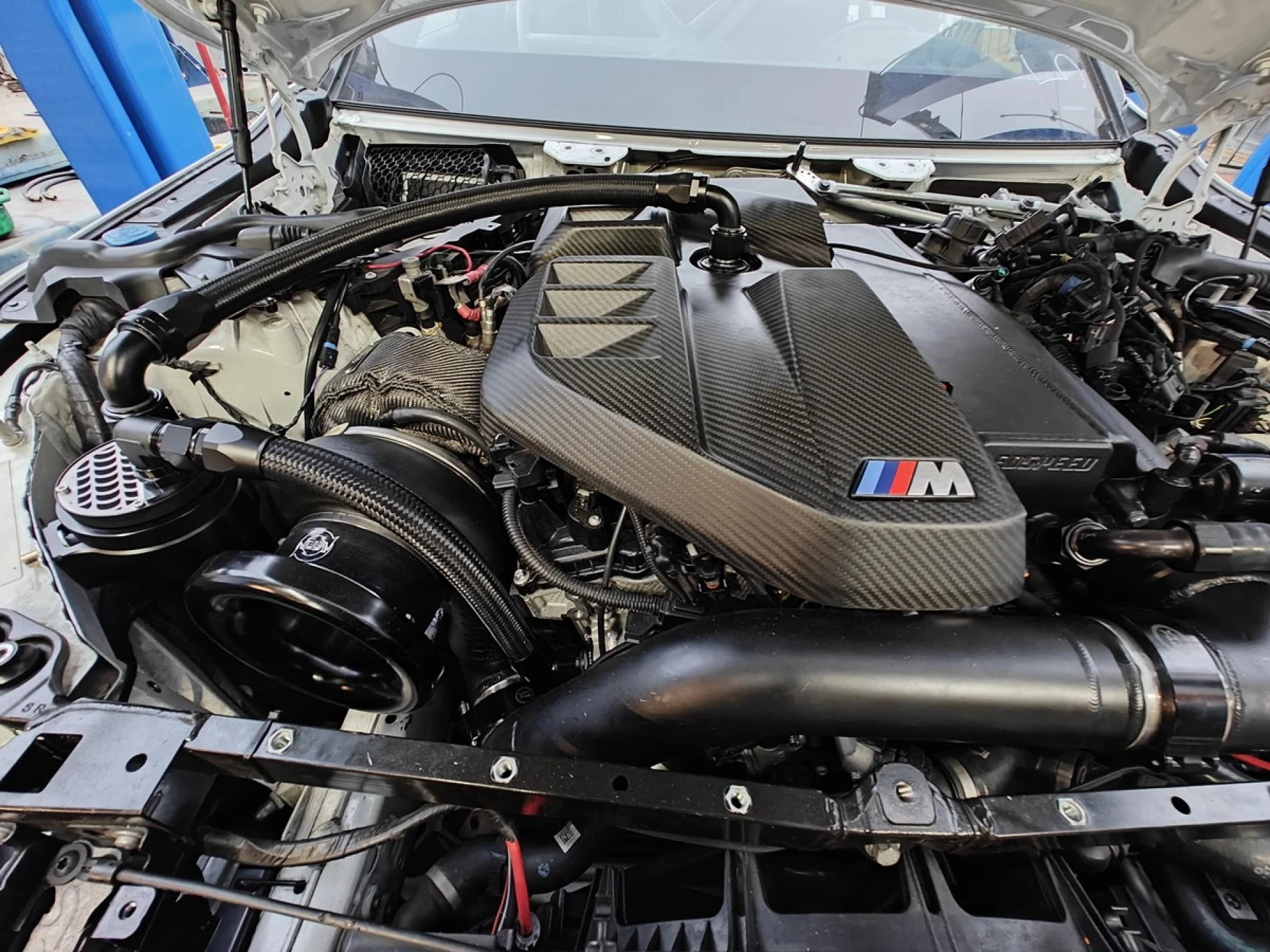
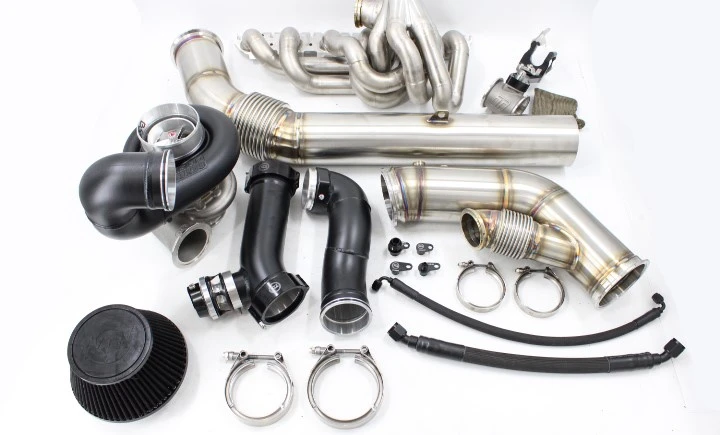
For half-mile runs, your BMW has to cover 2,640 feet of track with sustained power and top-end acceleration as your top priorities. Can your B58 turbo handle continuous load, with the airflow capacity and stability to keep the speed and power up? If you want to improve your BMW’s half-mile performance and hit a better trap speed, here are a few simple suggestions to fine-tune your vehicle.
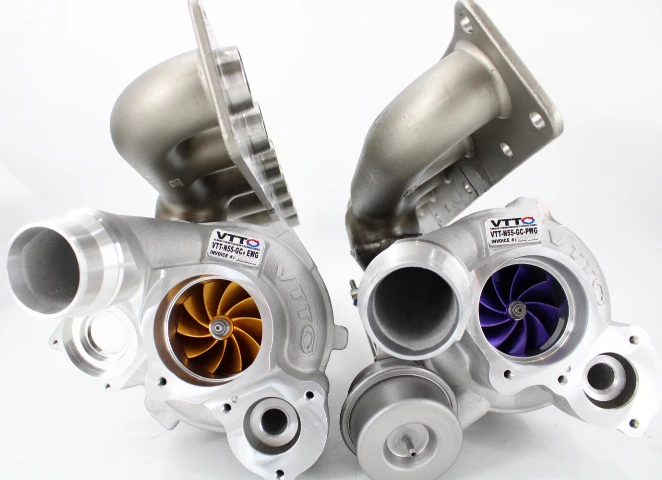
The N55 engine is a turbocharged straight-six engine that was featured in several BMW vehicles between 2009 and 2021. With over a decade in production, several N55 engines are still powering BMWs on the road today. And enthusiasts frequently seek out N55 turbo upgrades. You may be one of them! As you consider upgrading your N55 turbo, here are a few things to keep in mind.
You press down on the accelerator pedal, waiting. Waiting. Waiting. Your car is moving, but you wait a little longer, and the burst of power hits. Your BMW surges forward. Spool time equals how long it takes your BMW N55 turbo to generate usable pressure as you accelerate from a low speed to higher RPMs. Shorter spool times mean quicker acceleration. How can you improve your turbo’s spool time?
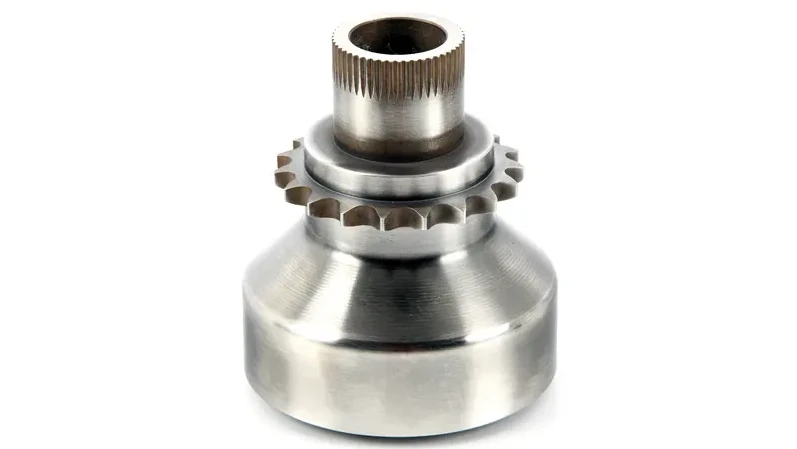
Pushing your BMW to its limits puts a lot of strain on the crank hub (and its connected systems). You may have heard about concerns online regarding the stock crank hub. These concerns generally relate to reliability. Having a reliable crank hub makes a difference in the security and longevity of your car’s high-performance engine. What should you look for in a N54, N55, and S55 crank hub upgrade?
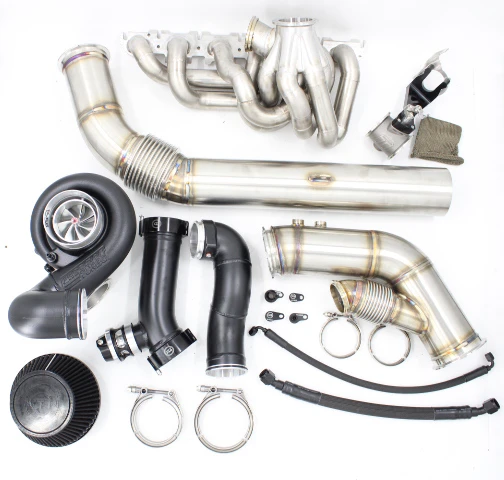
If you are trying to choose between upgrading the physical hardware of your car or tuning the software, where should you start? There are plenty of reasons to focus on hardware first. A BMW N55 turbo upgrade can give you a more noticeable upgrade than simply tuning the ECU. There’s definitely a synergy between the two, but the hardware is the physical foundation of your car’s performance.
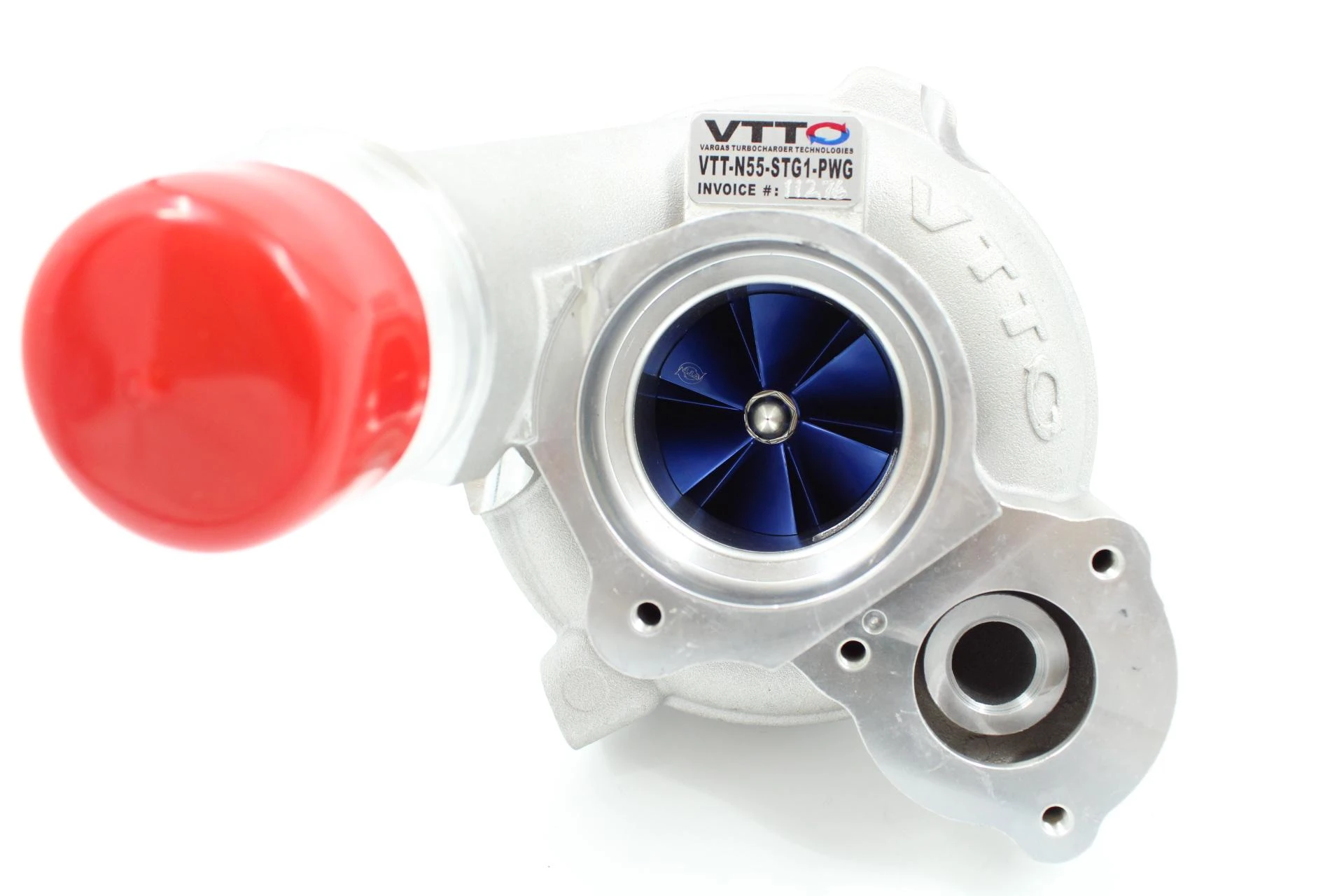
Have you noticed that your turbocharger isn’t as punchy as it once was? You may drive a high-mileage BMW with an N55 engine or you’ve acquired a pre-owned BMW running this platform and want to make an N55 turbo upgrade to get more horsepower out of it. Now may be the right time to upgrade the turbo and improve your vehicle’s performance. Here’s why.
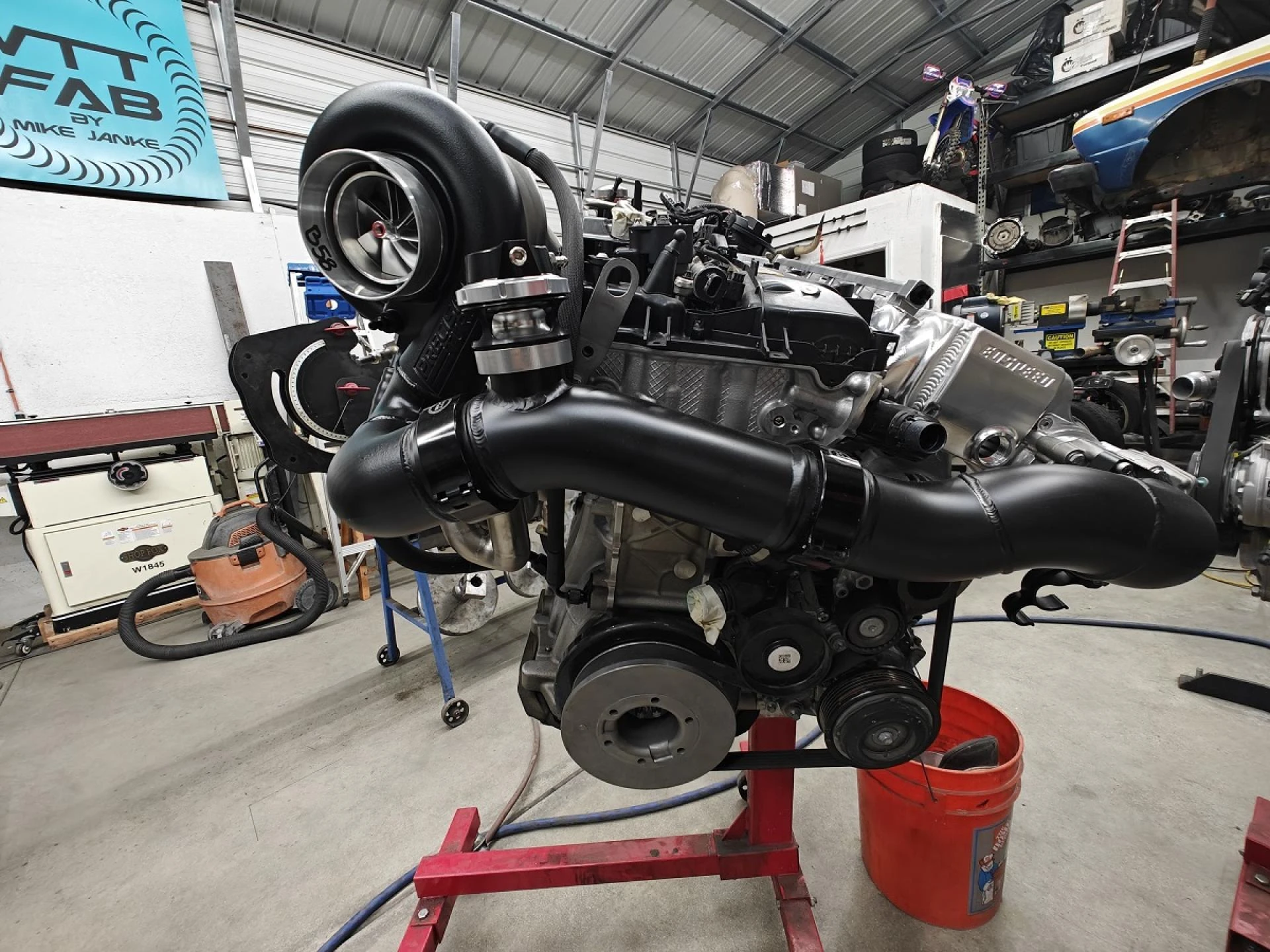
Does it feel like colder days help your track times? Does your car seem more efficient on the street when the temperature drops? The truth is, your B58 turbo makes better use of dense, cold air than it does of hotter air, helping your BMW burn fuel more efficiently. Knowing how the weather affects your turbo can help you take advantage of the cold air. Here’s how.
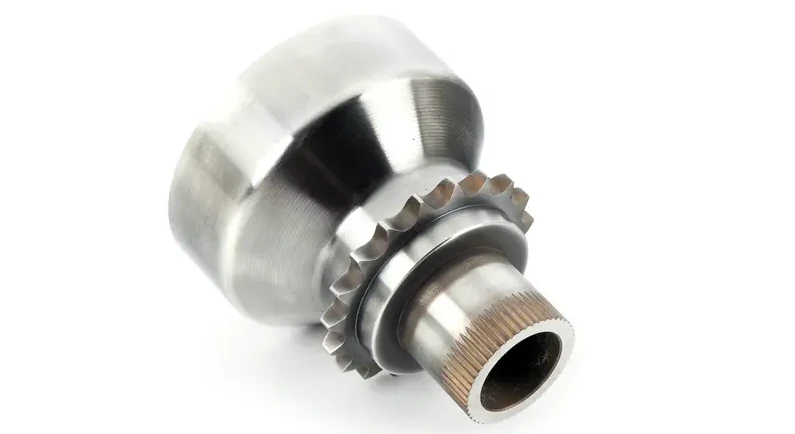
Do you drive a BMW with an N54, N55, or S55 engine and still use the factory crank hub? It’s time for an upgrade! A new crank hub can deliver improved reliability, especially at higher RPMs. There are several solutions on the market. Some require drilling and pinning, which permanently alter the crank. An N54, N55, and S55 crank hub with spline lock technology, though? That’s a game-changer.
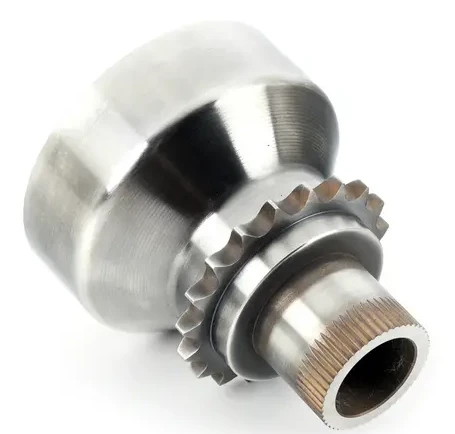
If you drive a BMW with an N54, N55, or S55 engine, upgrading your vehicle’s crank hub can be worthwhile. You may have heard about stock crank hubs slipping under higher load, RPMs, or frequent shifting. You can find an N54, N55, and S55 crank hub solution designed to mitigate common concerns of the stock design. But what specifically makes spline lock technology the standout upgrade you should choose?
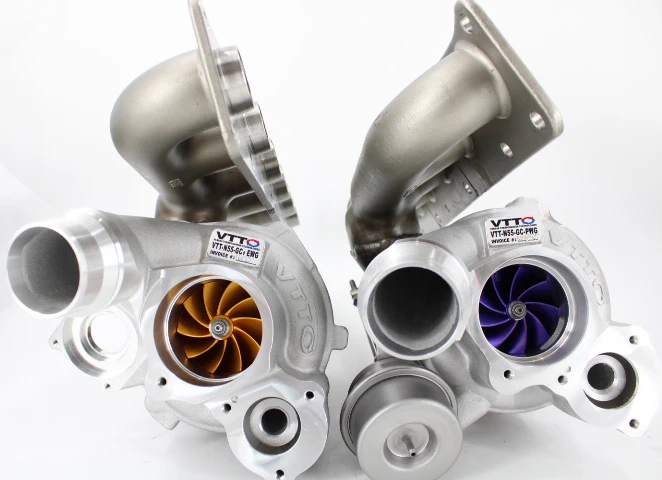
Between 2009 and 2021, BMW’s N55 engine left a lasting impression. This straight-six engine came turbocharged out of the factory. The N55 may be out of production, but it’s still on the road and track in several BMW models. And it’s still a trusted option in the performance driving community. In fact, if you want to upgrade your N55 turbo, you can. Why upgrade your N55 turbo in 2026?
Are you searching for an N55 turbo upgrade for your BMW? There are some important details you might want to prioritize, depending on whether you want a turbo that supports 425WHP or up to 600WHP. If you’re interested in replacing some of BMW’s notably weak design decisions with an enhanced N55 turbo or you want upgraded parts that increase airflow, the right features can help improve your build.
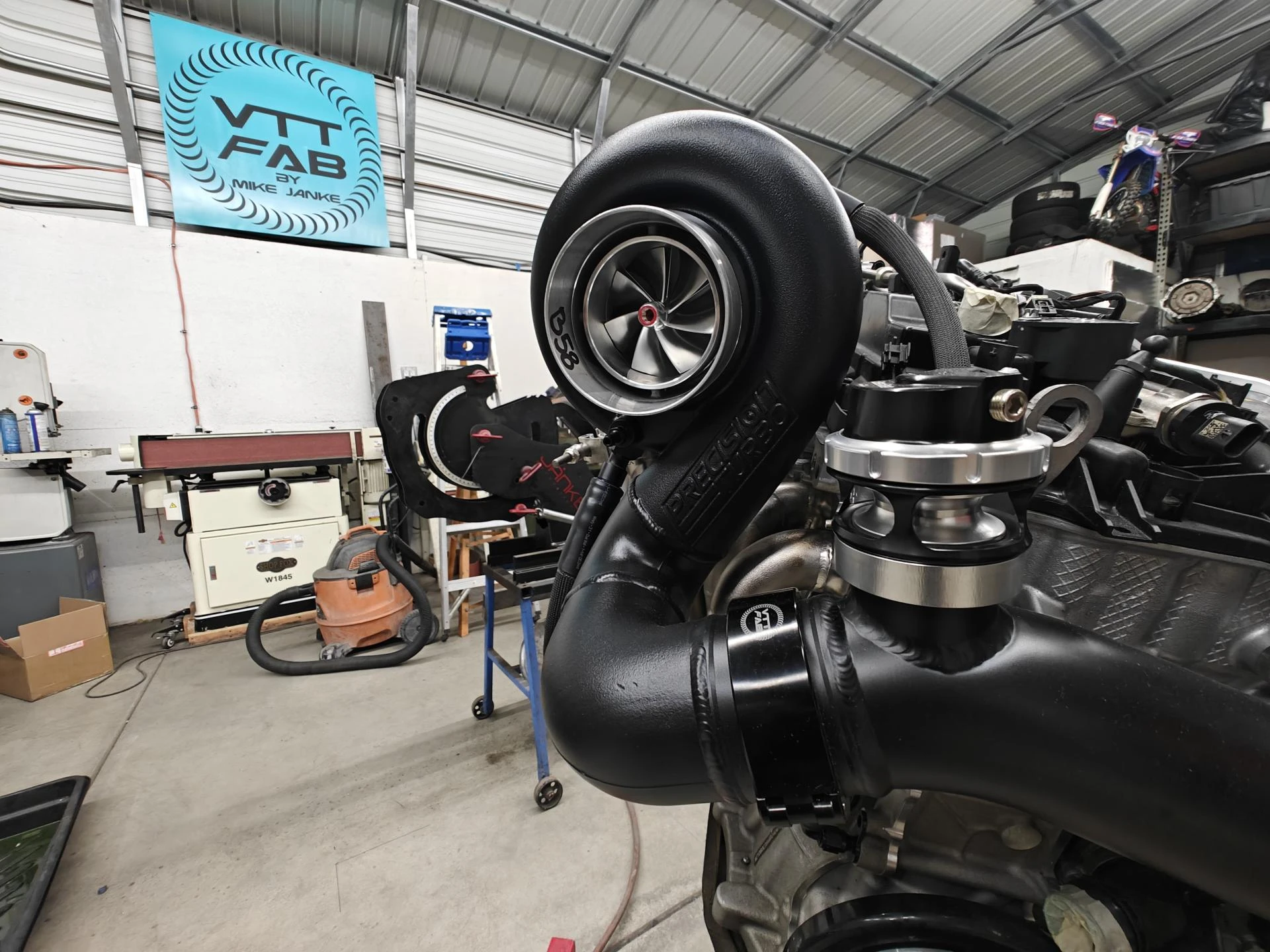
Choosing the right B58 turbo for your BMW build is an important decision. Do you stay with a twin-scroll turbo, or do you swap it out for a single turbo and harness more power on the top end? The answer depends on the performance you want to get out of your car. Here’s everything you need to know about B58 turbos.
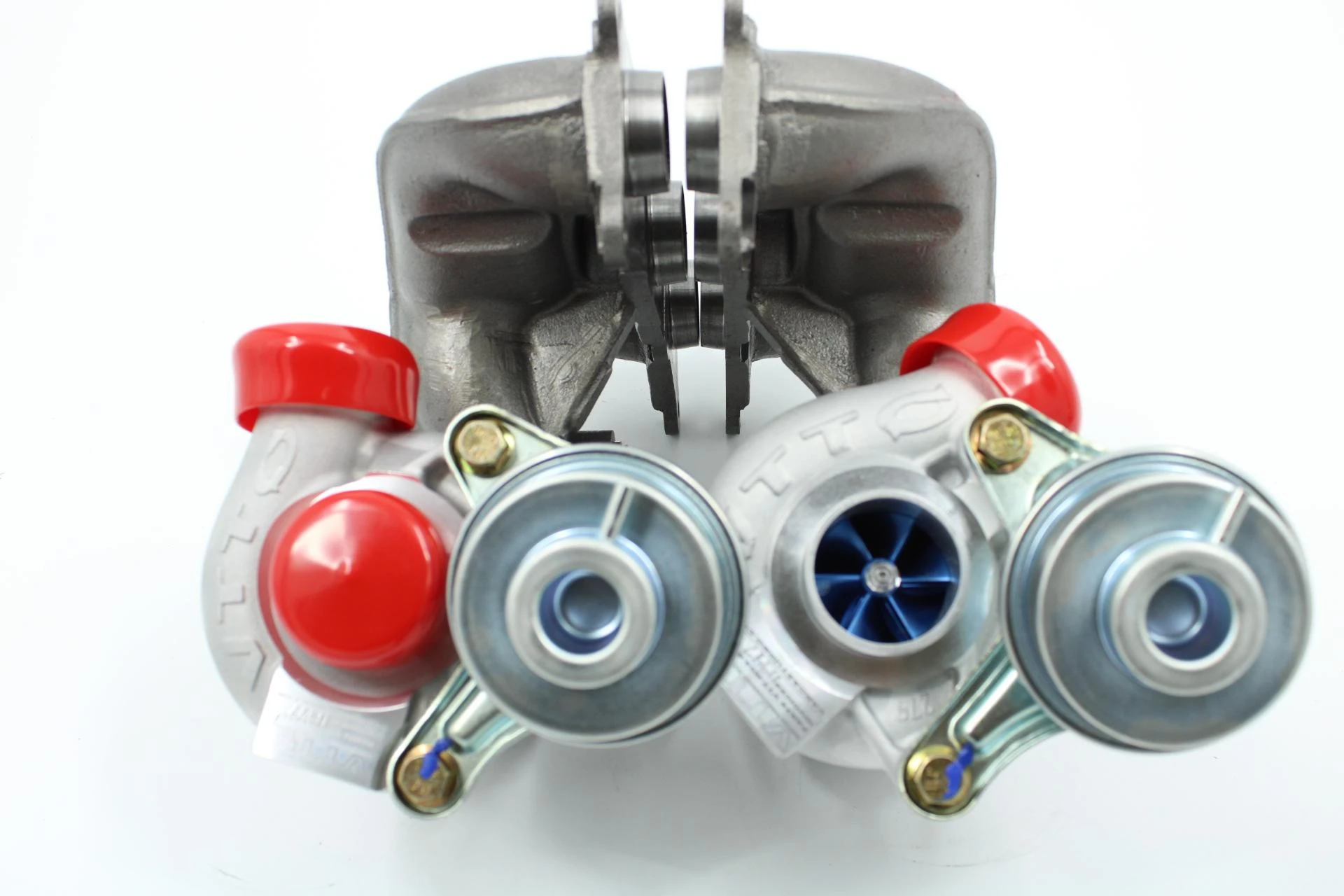
If you’re planning to upgrade your BMW N54 turbo, you have a few options to choose from. You can go with an OEM+ replacement to maintain mostly stock capabilities with design upgrades, or you can go the N54 turbo upgrade stage 2 route with new parts to start chasing higher horsepower. Deciding which option is right for your build is essential to determine how you’ll mod your BMW.
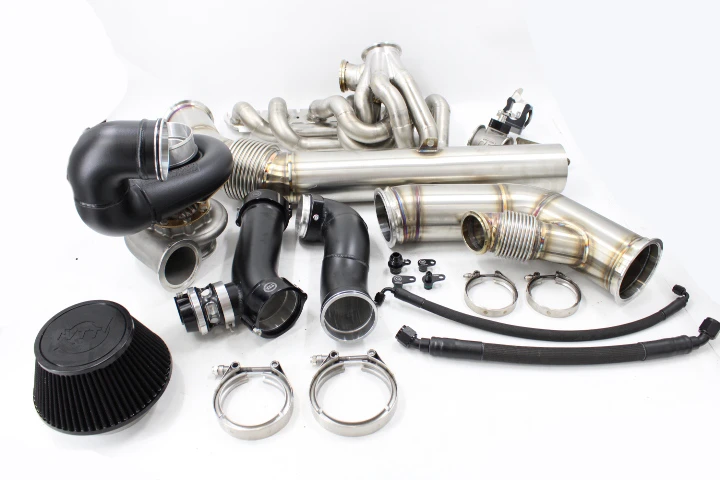
The B58 engine is a high-performance, turbocharged, straight-six platform. It’s the heart and soul of several BMW models (namely the G Series platform) and the Toyota A91 Supra. This engine has earned a number of accolades since its introduction in 2015. But if you drive a vehicle with the B58 engine and want more power, what can you do? Consider a new, custom B58 turbo upgrade.
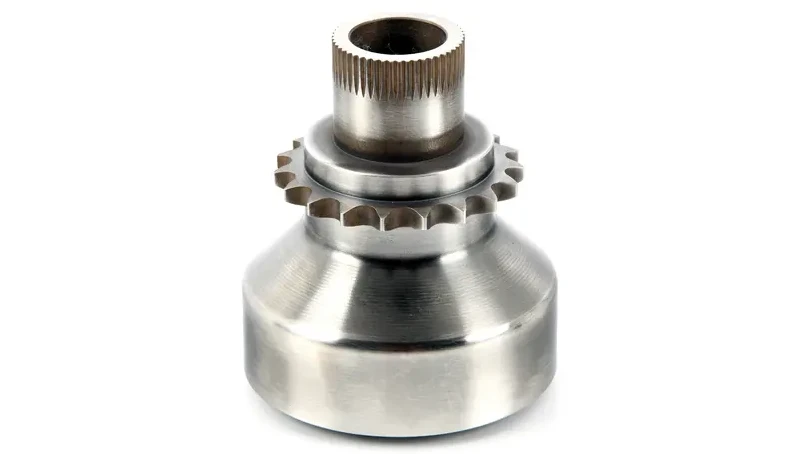
BMW platforms are ideal for modding. If you are chasing more horsepower on an S55 engine, however, there’s one detail you need to keep in mind: The BMW S55 crank hub might not be reliable enough to handle horsepower beyond the car’s stock capabilities. If you are pushing increased power and higher RPMs, it can slip. To avoid major problems, here’s everything you need to know.
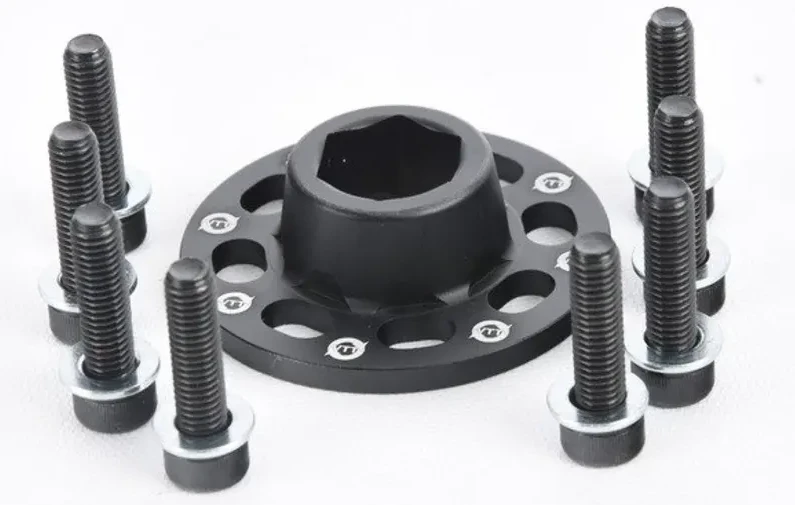
If you drive a high-performance BMW with an N54, N55, or S55 engine, have you replaced the stock crank hub? When you push up the RPMs, the three-piece OEM hub can slip. When it fails, the result is a loss of engine timing and oil pressure. Thankfully, you can find an advanced aftermarket BMW crank hub solution designed to avoid these issues.
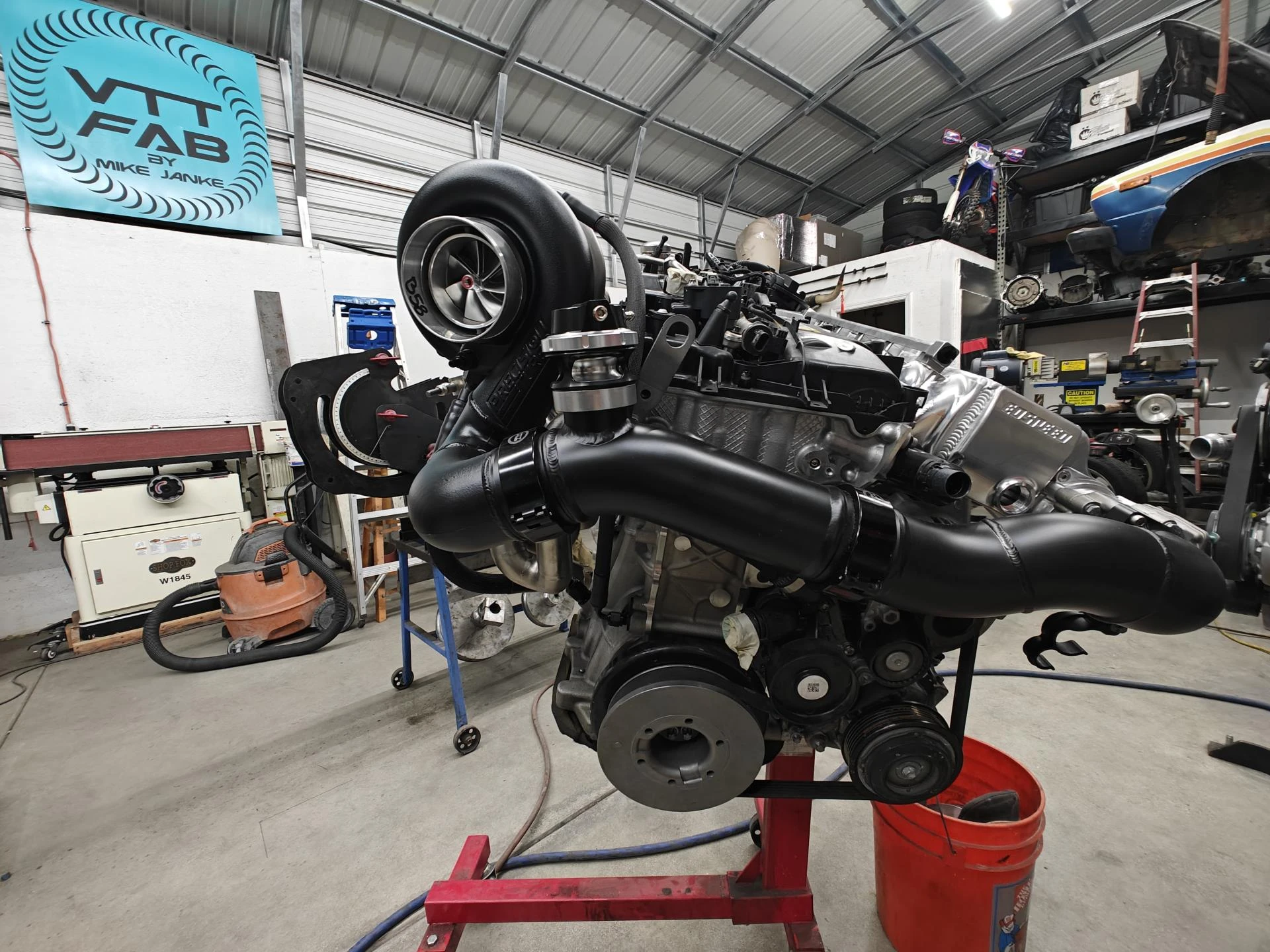
A half-mile event tests your car over 2,640 feet, demanding top-end acceleration, sustained power, a continuous load, and more. Upgrading to parts that can handle the stress of these intense competitions is key. While tuning upgrades are important, it’s your vehicle’s hardware that you need to be able to count on through to the finish line. Here’s why well-designed parts like an upgraded S55 crank hub are essential.
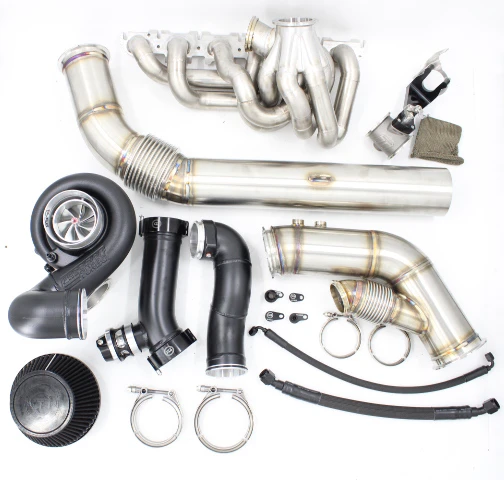
You’ve just upgraded your BMW B58 turbo to one with a better design, higher airflow, and improved supporting parts. Now, it’s time to do a dyno test and evaluate the differences between your new and old turbo, from the power curve to the boost pressure, peak horsepower, and spool time. Understanding the test data can help you understand how your upgrade affects your car’s performance.
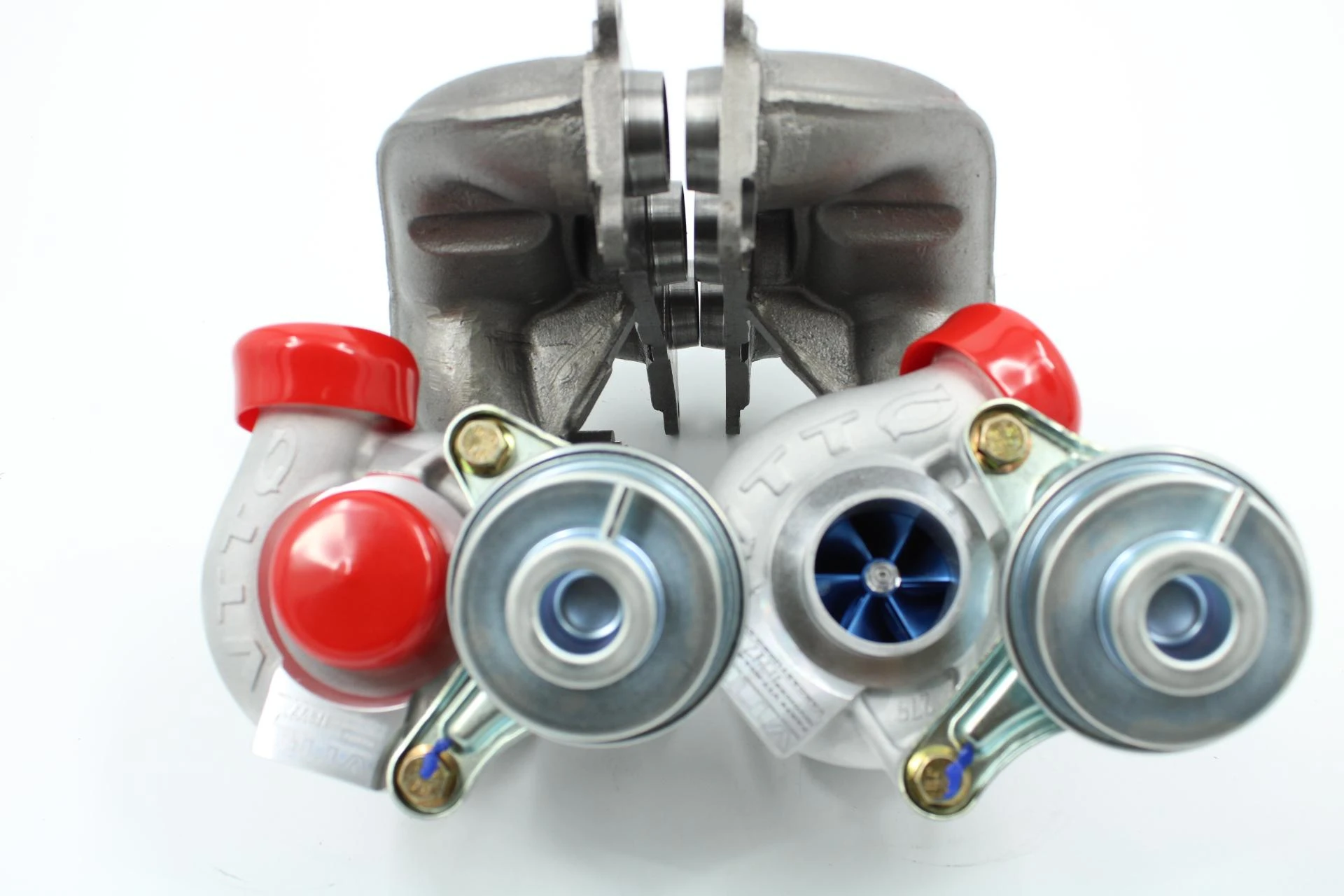
Do you drive a BMW with an N54 engine? This straight-six engine, complete with twin-turbocharger out of the factory, was known for outputting upwards of 400 brake horsepower. But what if you want more power? You can find premium OEM turbo replacements, or if you want to upgrade BMW N54 turbo further, there are stage 2+ turbo options to explore. Here are a few details to consider.
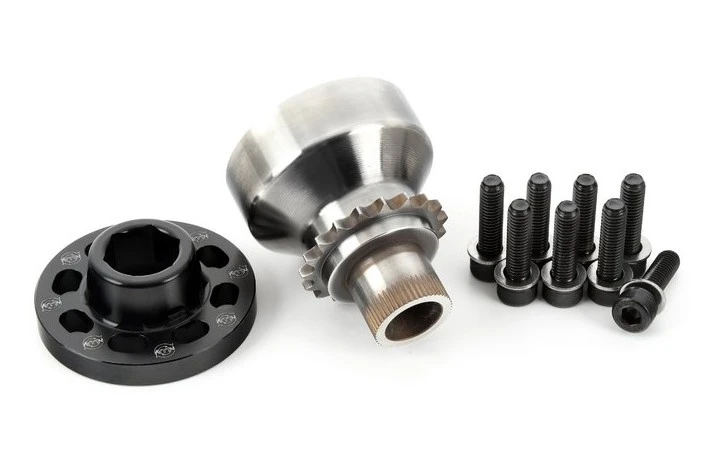
If you drive a BMW with a high-performance engine, like the N54, N55, or S55 platform, the stock crank hub might not meet your needs in terms of safety and reliability. You want to know you can push your vehicle without your crank hub slipping. Here are three reasons why you should choose a BMW crank hub with spline lock technology.