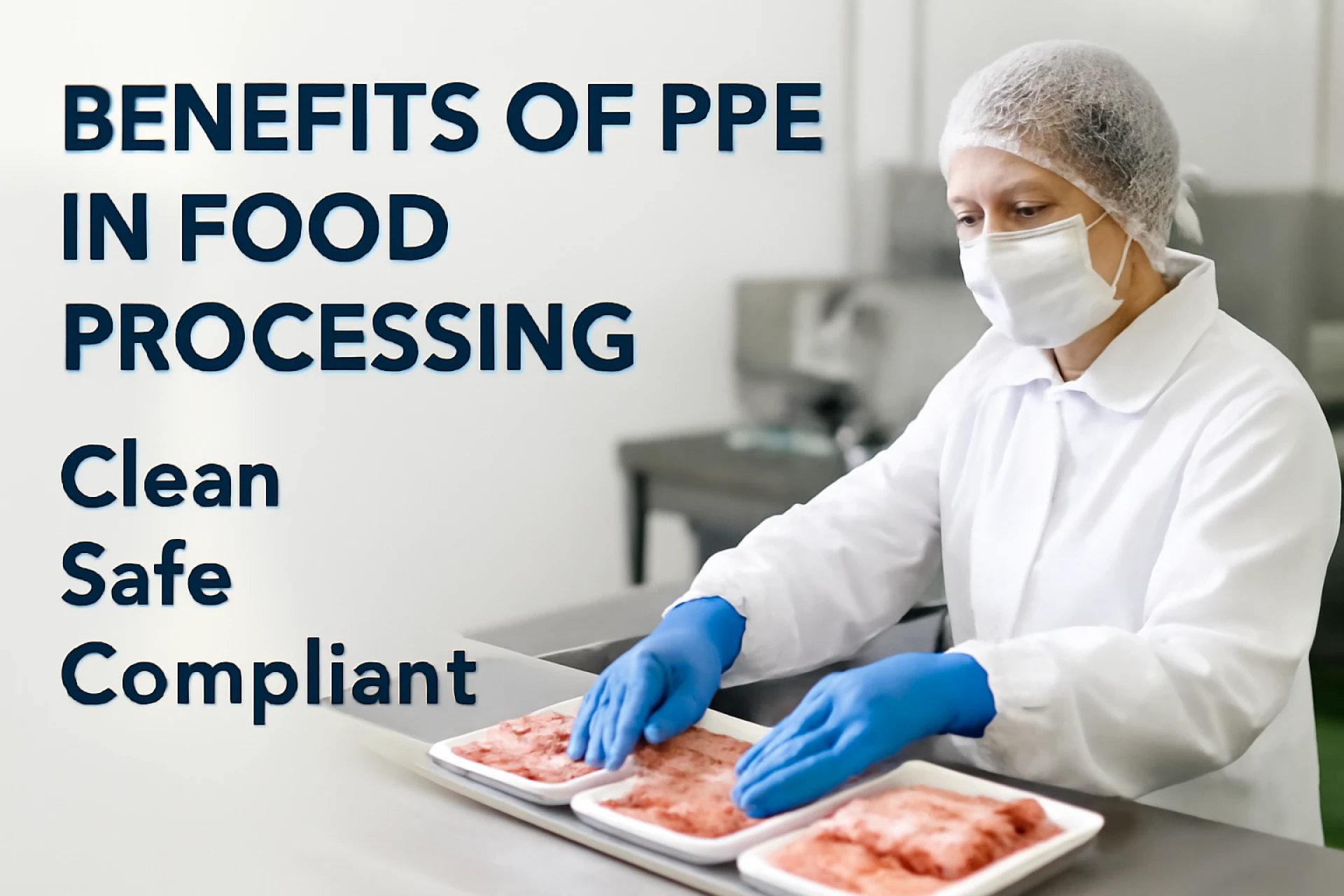

In the food processing industry, maintaining high standards of cleanliness, safety, and regulatory compliance is absolutely essential. From ensuring the integrity of food products to protecting workers from potential hazards, Personal Protective Equipment (PPE) plays a crucial role. Proper use of PPE can significantly improve the overall safety environment while guaranteeing that food products remain uncontaminated, making it a non-negotiable part of the food processing ecosystem.
Food processing environments often involve a combination of machinery, chemicals, and raw ingredients that can pose various risks. PPE acts as a vital barrier, shielding workers from injuries, chemical exposure, and contamination risks. The benefits of PPE extend beyond individual protection to enhance product safety and regulatory adherence, providing a comprehensive approach to operational excellence. This blog dives deep into why PPE is indispensable in food processing and how it contributes to a clean, safe, and compliant workplace.
When it comes to sourcing the right gear for protecting food processing workers, ppe supply options are vast, but selecting the proper equipment tailored to specific tasks and hazards is critical. Whether it’s gloves, hairnets, masks, or protective clothing, each item serves a distinct function in reducing contamination and exposure risks. This protective gear ensures that workers remain shielded from potential injuries while also safeguarding food products from foreign materials like hair, skin particles, and microbes, which could compromise food safety.
1. Ensuring Product Cleanliness and Quality
In food processing, cleanliness is paramount. PPE helps maintain a sterile environment, preventing the transfer of contaminants from workers to food products. Gloves, face masks, and hairnets are essential in controlling the spread of bacteria, dust, and other unwanted particles. These items reduce the risk of foodborne illnesses, protecting both consumers and brands from costly recalls or reputational damage.
Protective clothing, such as aprons and coveralls, further reduces contamination risks by preventing dirt, sweat, and other bodily contaminants from entering the food production chain. In environments where raw meat, dairy, or produce is handled, this barrier is critical in ensuring that products meet stringent hygiene standards. Wearing appropriate PPE also promotes worker awareness of hygiene protocols, creating a culture of cleanliness throughout the facility.
The use of PPE contributes to consistent product quality by minimizing cross-contamination between different batches or product lines. This is especially important in facilities that handle allergens or sensitive food items. Proper PPE use helps maintain separation and control, ensuring that products are safe for all consumers, including those with allergies or dietary restrictions.
2. Protecting Workers from Hazards
Food processing involves a variety of physical and chemical hazards. From sharp knives and machinery to cleaning chemicals, workers face risks that can cause injuries or illnesses without proper protection. PPE is designed to shield employees from these dangers, reducing workplace accidents and improving overall safety.
Gloves protect hands from cuts, burns, and chemical exposure. In many processing tasks, employees handle sharp tools or work near moving equipment, making cut-resistant gloves a necessity. Chemical-resistant gloves safeguard workers when handling sanitizers and cleaning agents, preventing skin irritation or burns.
Eye protection, such as goggles or face shields, guards against splashes of hot liquids, chemicals, or food particles. In high-risk areas, these protections are critical to preventing eye injuries that can be debilitating or cause long-term vision problems.
Respirators or masks help protect workers from inhaling dust, fumes, or airborne contaminants, which is essential in certain food processing settings like flour milling or spice grinding. This respiratory protection minimizes the risk of respiratory diseases and maintains worker health.
The benefit of PPE extends beyond injury prevention; it enhances worker confidence and productivity. Knowing they are well-protected allows employees to focus on their tasks without fear, leading to smoother operations and fewer disruptions.
3. Compliance with Industry Regulations
Regulatory compliance is a significant concern in food processing. Governments and food safety organizations worldwide mandate strict standards for hygiene and worker protection to prevent food contamination and ensure safe working conditions. Failure to meet these regulations can lead to hefty fines, product recalls, or shutdowns.
Using the correct PPE is a straightforward and effective way to meet these legal requirements. Facilities that invest in appropriate PPE and enforce its use demonstrate their commitment to safety and quality. This adherence also builds trust with customers, retailers, and auditors who expect food processors to comply with industry standards.
https://www.ppetoronto.com/ offers guidance on selecting PPE that aligns with regulatory demands, helping businesses stay ahead of compliance challenges. From the Food Safety Modernization Act (FSMA) in the United States to the European Food Safety Authority (EFSA) guidelines, wearing suitable PPE is a key component of compliance frameworks.
Beyond legal obligations, compliance with PPE use contributes to certification programs such as HACCP (Hazard Analysis and Critical Control Points) or ISO standards. These certifications require documented safety procedures that include PPE protocols, making protective gear a foundational element in maintaining accreditation and market access.
4. Reducing Cross-Contamination Risks
Cross-contamination is a major concern in food processing that can lead to serious health risks for consumers. PPE acts as a barrier that limits the transfer of contaminants between different food products, surfaces, and workers. By using dedicated gloves, footwear covers, and protective clothing for specific tasks or production lines, facilities can minimize cross-contact.
For instance, switching gloves between handling raw and cooked foods prevents the transfer of harmful bacteria like Salmonella or E. coli. Footwear covers stop contaminants from being tracked into clean zones, while disposable hairnets reduce the chance of hair or skin flakes falling into food.
Effective PPE protocols also help control allergens by preventing their spread between different food items. This is vital for protecting consumers with allergies and complying with allergen labeling laws.
By integrating PPE into standard operating procedures and training workers on proper use, food processors create multiple layers of defense against contamination. This reduces the risk of food safety incidents and ensures a safer product reaches the consumer.
5. Enhancing Worker Comfort and Productivity
While safety is paramount, comfort is a significant factor in PPE effectiveness. Comfortable PPE encourages consistent use and reduces fatigue during long shifts, directly impacting productivity and morale. Advances in PPE materials and design have led to lightweight, breathable, and flexible options that do not hinder worker movement.
For example, disposable gloves that fit well and are breathable prevent sweating and skin irritation, allowing workers to focus on their tasks without distraction. Similarly, protective clothing made from moisture-wicking fabrics helps regulate body temperature in warm processing environments.
Comfortable PPE reduces the likelihood of workers removing gear prematurely, which can compromise safety and cleanliness. Investing in ergonomic and user-friendly protective equipment demonstrates care for employees’ wellbeing, fostering a positive workplace culture.
Additionally, well-fitted PPE improves dexterity and precision, especially when handling delicate food products or intricate machinery. This not only enhances safety but also contributes to product quality and operational efficiency.
6. Supporting Food Safety Culture
A strong food safety culture is critical in food processing facilities, and PPE use plays a significant role in fostering that culture. When management prioritizes PPE, it sends a clear message that safety and cleanliness are non-negotiable values. This mindset encourages employees to take ownership of their role in protecting food and themselves.
Regular training on PPE use, maintenance, and disposal reinforces best practices and keeps safety top of mind. Workers who understand the "why" behind PPE requirements are more likely to comply consistently. This collective commitment reduces errors and lapses that could lead to contamination or injury.
A culture that embraces PPE as part of everyday operations also drives continuous improvement. Employees become more vigilant, report hazards promptly, and collaborate on solutions. Over time, this culture helps facilities achieve higher standards and maintain regulatory compliance with less effort.
7. Preventing Occupational Illnesses
Occupational illnesses caused by exposure to biological, chemical, or physical agents are a real threat in food processing. PPE mitigates these risks by creating a protective barrier between workers and harmful substances. Gloves, masks, and protective suits reduce skin contact and inhalation of contaminants that can cause skin conditions, respiratory problems, or infections.
For example, prolonged exposure to cleaning chemicals without gloves can cause dermatitis, while inhaling dust or fumes might trigger respiratory issues. Proper PPE use lowers the incidence of these illnesses, reducing absenteeism and healthcare costs.
Moreover, preventing occupational illnesses improves worker wellbeing and satisfaction, contributing to a healthier, more stable workforce. This positive impact can translate to better productivity and lower turnover rates.
8. Cost Savings through Risk Mitigation
Investing in PPE might seem like an added expense, but it leads to significant cost savings over time. By preventing workplace injuries and contamination incidents, PPE reduces the need for costly medical treatments, workers’ compensation claims, and regulatory fines.
Avoiding contamination also means fewer product recalls, which can be financially devastating and damage a company’s reputation. Clean, safe production lines foster customer loyalty and open doors to new business opportunities.
Furthermore, PPE helps maintain equipment and facility cleanliness, reducing downtime and maintenance costs. All these factors contribute to a healthier bottom line and more sustainable operations.
9. Adapting to Emerging Food Safety Challenges
As the food industry evolves, new challenges arise, including emerging pathogens, changing regulations, and increased consumer demand for transparency. PPE offers a flexible and adaptable solution to these challenges by providing reliable protection that can be upgraded or customized as needed.
For instance, during health crises like pandemics, PPE protocols can be enhanced quickly to safeguard workers and products. The versatility of PPE means food processors can respond effectively to evolving risks without major operational disruptions.
This adaptability also supports innovation in food processing techniques, allowing companies to implement new processes while maintaining safety and compliance.
10. Supporting Environmental Responsibility
Modern PPE options increasingly focus on sustainability, helping food processors reduce their environmental footprint. Reusable and recyclable PPE materials minimize waste, aligning with corporate social responsibility goals and consumer expectations.
Choosing eco-friendly PPE helps facilities meet environmental regulations and contributes to broader sustainability initiatives. This green approach benefits brand reputation and appeals to environmentally conscious consumers.
Additionally, proper PPE use and disposal prevent environmental contamination within the facility and surrounding areas, maintaining overall hygiene and safety.
Conclusion
Personal Protective Equipment is far more than just gear—it’s a vital component that ensures food processing remains clean, safe, and compliant. From protecting workers against hazards to preventing contamination and supporting regulatory compliance, PPE forms the backbone of a responsible food processing operation. It fosters a culture of safety, improves product quality, reduces costs, and adapts to new challenges while promoting environmental stewardship.
Investing in the right PPE, maintaining it properly, and training employees on its correct use creates a win-win scenario for everyone involved—from workers on the production line to consumers on the other end. In an industry where quality and safety are everything, PPE is the silent but powerful partner that helps food processors deliver excellence every day.













Sign in to leave a comment.