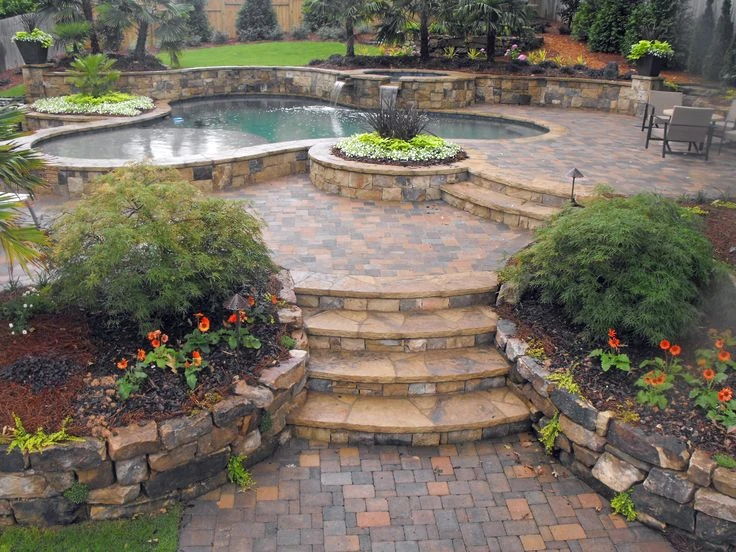

Yard projects always sound simple in your head—“I’ll just put in a patio, maybe add a pathway, and call it a day.” Then reality hits: uneven bricks, drainage nightmares, and that one corner where nothing ever looks right. That’s usually when people start wondering if professional hardscaping is the smarter route. Spoiler: it usually is.
Hardscaping is more than laying stone or pouring concrete. Done right, it shapes the personality of a property and saves you from constant repair headaches. Done wrong, it turns into a lopsided, weed-filled reminder of weekends you’ll never get back. Here’s why leaving it to skilled hands pays off in both beauty and longevity.
Professional Hardscaping Brings Structural Stability
Outdoor designs last when the foundation is built to withstand weather, weight, and time. A professional hardscaping service knows how to prepare the ground, handle slopes, and pick the right base materials. This step prevents future shifting, cracking, and drainage problems that homeowners often face with DIY setups.
Proper Site Preparation
The base is everything in hardscaping. Pros spend time grading the soil, compacting layers, and adding stabilizing materials. This ensures patios, walls, and walkways don’t sink or tilt over time. Skipping this step often leads to repairs within just a few seasons.
Drainage Planning for Longevity
Water can undo the strongest build if it’s ignored. Hardscaping experts design slopes and use hidden drains or permeable materials to direct water away. Without this planning, erosion and pooling can quickly ruin the look and function of an outdoor feature.
Material Selection and Durability
Not all stone, pavers, or concrete mixes are created equal. Professionals match materials to climate conditions, usage patterns, and soil type. A backyard fire pit in a wet climate, for example, needs different stone than a walkway in a dry area.
Fun Fact: Some natural stones like granite can last for over 100 years when installed correctly.
Design Expertise Creates Cohesive Outdoor Spaces
Hardscaping isn’t just about building—it’s about blending function with aesthetics. A professional approach ensures that patios, retaining walls, and pathways align with the home’s architecture and the natural flow of the yard.
Matching Hardscapes with Landscapes
Hardscaping should complement greenery, not compete with it. Experts design transitions between lawns, gardens, and stonework so the space feels unified instead of patchy. This balance makes outdoor areas feel inviting and easy to maintain.
Scaled Proportions and Layouts
An oversized patio in a small yard feels cramped, while a tiny fire pit area in a wide space looks underwhelming. Professionals consider proportion and flow, ensuring the design looks intentional and fits naturally into the property.
Customization Beyond Templates
DIY often leans on cookie-cutter designs, but professional hardscaping allows for customization—curved walkways, tiered garden beds, or multi-use patios. These adjustments turn a yard into a functional extension of the home rather than a simple add-on.
Fun Fact: The concept of outdoor “living rooms” gained popularity in the 1950s, but modern hardscaping has expanded it into full entertainment spaces.
Professional Hardscaping Saves Time and Reduces Costs Long-Term
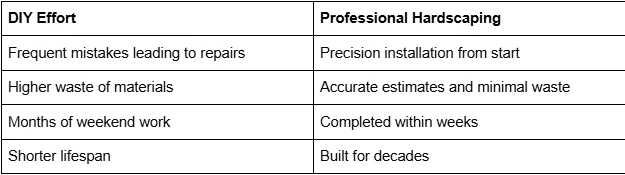
It may feel cheaper to handle projects on your own, but mistakes often pile up into costly fixes. Hiring professionals minimizes wasted materials, prevents do-overs, and speeds up project completion.
Avoiding Trial-and-Error Mistakes
DIY projects often involve learning as you go. Professionals bring tested techniques, which means fewer chances of cracked walls, uneven surfaces, or mismatched colors that need replacing later.
Efficient Use of Materials
Waste adds up quickly when cutting stone or mixing concrete without experience. Professionals calculate exact quantities, which reduces both cost and environmental impact.
Faster Project Timelines
What might take a homeowner months of weekend labor often gets completed in weeks by a skilled crew. Faster timelines mean less disruption to your routine and quicker enjoyment of the space.
Hardscaping Adds Value and Curb Appeal
A well-designed hardscape isn’t just nice to look at—it increases property value and attracts buyers. Whether it’s a sleek patio or an elegant retaining wall, outdoor improvements make a property stand out.
Long-Term Property Investment
Buyers see outdoor upgrades as functional, low-maintenance improvements. Features like patios, stone walkways, or fire pits signal durability and reduce future landscaping work.
First Impressions with Curb Appeal
Front yards set the tone for a property. Hardscaping elements like stone entryways or decorative borders create visual impact from the first glance, shaping how visitors perceive the home or business.
Versatility for Commercial Properties
Businesses benefit from hardscaping too—think walkways that guide customers or outdoor seating areas that invite people to stay longer. These features make properties more appealing and practical.

Common Question: Is Hardscaping Different from Landscaping?
Yes. Landscaping focuses on plants, lawns, and natural growth, while hardscaping covers permanent features like patios, walls, and stone paths. Both work together to create a balanced outdoor design. Landscaping adds life and texture, while hardscaping brings structure and durability.
Conclusion
Good hardscaping is invisible in the sense that you don’t notice the work—it simply feels right. Walkways line up with doors, patios drain properly, and walls stay strong year after year. Behind that simplicity is careful planning and skilled craftsmanship.
Professional hardscaping does more than create pretty spaces. It ensures durability, reduces long-term costs, and blends outdoor features into a property’s natural flow. Whether for a backyard upgrade or a commercial improvement, the benefits last well beyond the first season.
Visit us for professional hardscaping service:
https://www.allseasonslandscapingla.com/?utm_source=backlink
FAQs
What’s the lifespan of a professionally built patio?
A patio built with proper base preparation and durable materials can last 25–50 years with minimal maintenance.
How does hardscaping handle drainage problems?
Experts design slopes, add hidden drains, or use permeable materials so water flows away instead of pooling or eroding surfaces.
Can hardscaping reduce yard maintenance?
Yes. Adding stone features and pathways reduces lawn size, which means less mowing, watering, and seasonal upkeep.
Do hardscaping features increase property resale value?
Absolutely. Buyers often view outdoor improvements as added living space and a sign of quality care, which boosts home value.
Is natural stone better than concrete for hardscaping?
It depends. Natural stone offers unique aesthetics and long lifespans, while concrete provides flexibility and affordability. Both work well when matched to the project’s needs.
Reviewer: Sophie Williams looked over this post and brought 7 years of field experience to her suggestions, helping ensure the content stays relevant to business owners and practical for everyday use.










Sign in to leave a comment.