
In the world of commercial and flat roofing systems, one material stands out for its durability, energy efficiency, and affordability—TPO Roofing. Whether you own a business, warehouse, or large facility, the roof plays a crucial role in protecting your property and managing long-term costs. That’s why more and more property owners are turning to TPO for a reliable solution.
In this blog, we’ll explain what TPO roofing is, how it works, its benefits, and what to expect during installation. By the end, you’ll know if this roofing option is the right fit for your project.
What Is TPO Roofing?
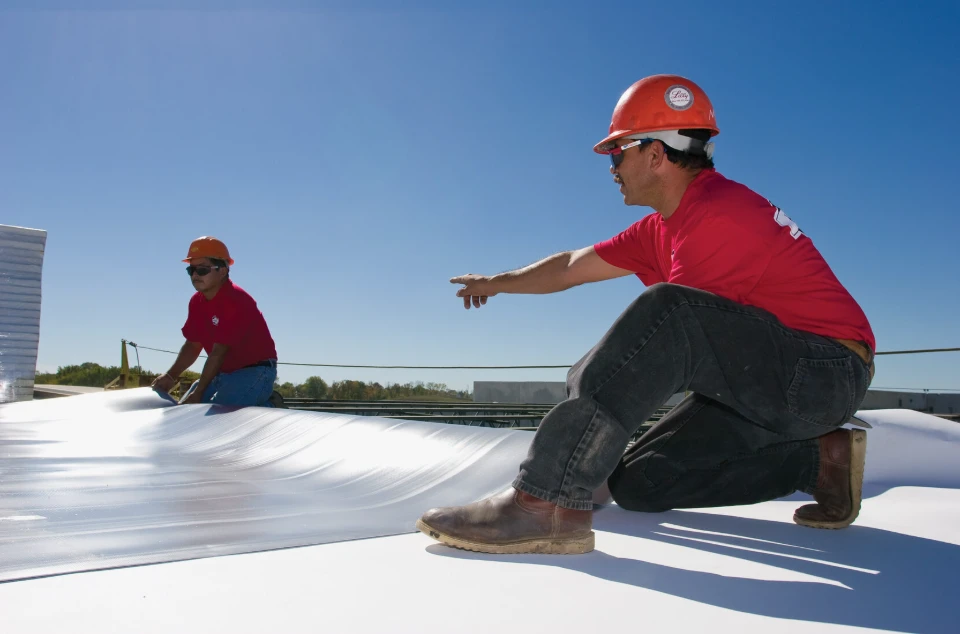
TPO stands for Thermoplastic Polyolefin—a type of single-ply roofing membrane that’s commonly used on flat or low-slope roofs. This roofing material is made up of a blend of rubber and plastic, typically installed in large white sheets that reflect sunlight and reduce energy costs.
TPO roofing is usually installed in three layers:
- Base layer: Reinforced fabric for strength.
- Middle layer: A blend of rubber and fillers.
- Top layer: UV-resistant, durable surface for protection.
Because of its reflective surface, TPO roofing is excellent for reducing indoor temperatures and cutting down on cooling costs—especially during hot summer months.
Benefits of TPO Roofing
TPO has become one of the fastest-growing commercial roofing systems in the U.S. for good reasons. Here’s why property owners love it:
1. Energy Efficiency
TPO’s white reflective surface bounces sunlight away from the building, lowering your HVAC usage and electricity bills.
2. Affordability
Compared to other flat roofing materials like PVC or EPDM, TPO offers great value without compromising on quality.
3. Durability and Weather Resistance
TPO resists punctures, tears, UV rays, and chemical exposure—making it perfect for harsh environments.
4. Environmentally Friendly
It’s fully recyclable at the end of its life and helps reduce carbon emissions by improving building efficiency.
5. Low Maintenance
Once installed properly, TPO roofing requires minimal upkeep. Regular inspections and basic cleaning are usually enough.
With these advantages, it’s no surprise that many commercial property owners choose TPO roofing for their next project.
The TPO Roofing Installation Process
A professional TPO roofing installation includes several important steps to ensure quality and longevity. Here’s what typically happens:
1. Roof Inspection and Surface Preparation
The old roof is inspected and cleaned. If there are any damaged sections, they are repaired or removed.
2. Insulation Layer Added
Insulation boards are placed on the roof deck to provide thermal protection and smooth surface for the membrane.
3. TPO Membrane Application
The TPO sheets are rolled out and aligned properly. They are then fastened mechanically or fully adhered with glue.
4. Heat-Welded Seams
Seams between sheets are welded using hot air tools to create a watertight and durable bond.
5. Final Inspection and Clean-Up
After installation, the roof is inspected to ensure it meets quality standards and local building codes.
When done by experienced contractors, TPO roofing installation can be completed quickly with minimal disruption to business operations.
How to Maintain a TPO Roof
Though TPO is low-maintenance, it still requires occasional care to last its full lifespan (20–30 years). Here are simple tips:
- Schedule regular inspections every 6–12 months.
- Clean debris and dirt to prevent water buildup.
- Check seams and flashing for wear or damage.
- Avoid walking on the roof unless necessary and always use walk pads.
- Hire professionals for repairs to avoid voiding warranties.
With proper care, your TPO roofing system will stay strong and efficient for decades.
FAQs About TPO Roofing
1. How long does TPO roofing last?
TPO roofs typically last 20–30 years with proper installation and maintenance.
2. Is TPO roofing only for commercial buildings?
While mostly used for commercial flat roofs, TPO can also be used on residential flat or low-slope roofs.
3. How much does a TPO roof cost per square foot?
TPO roofing usually costs between $5 and $9 per square foot, depending on the size and complexity of the job.
4. Can TPO roofing be repaired if damaged?
Yes! Small punctures or seam issues can be easily repaired with patch kits or by a roofing professional.
5. Is TPO better than EPDM?
It depends on your needs. TPO reflects sunlight and looks cleaner, while EPDM is more flexible and resistant to certain chemicals.
Conclusion: Is TPO Roofing Right for You?
If you’re looking for a roofing system that is durable, energy-efficient, and cost-effective, TPO roofing might be the perfect fit. It’s designed to handle tough weather, reduce energy costs, and last for years with minimal upkeep.
Whether you’re building new, replacing an old roof, or upgrading your facility’s efficiency, talk to a local roofing expert to explore whether TPO is the right solution. With proper installation and care, you’ll enjoy peace of mind—and savings—for years to come.












Sign in to leave a comment.