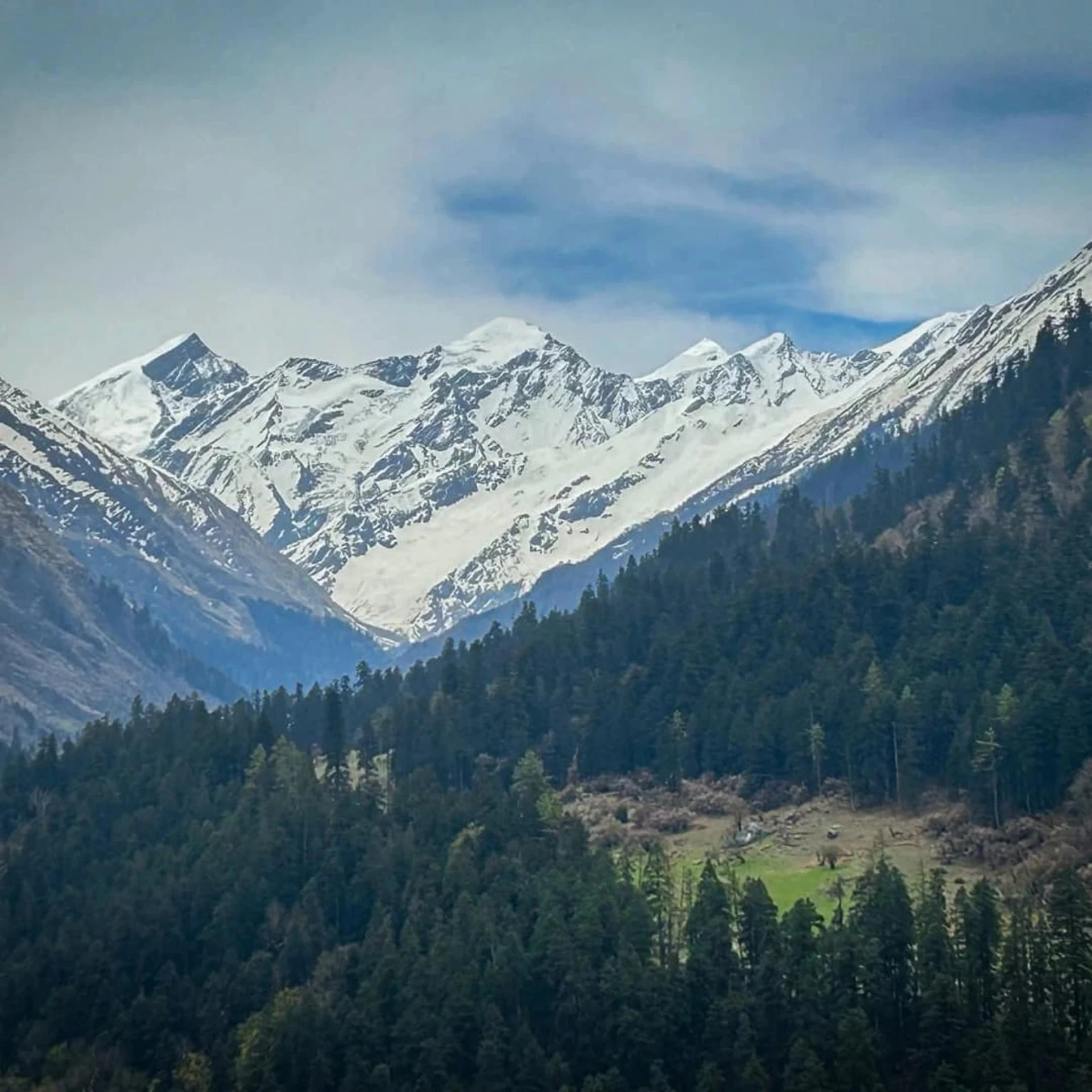

Har Ki Dun, also called the “Valley of Gods”, is one of the most beautiful trekking destinations in Uttarakhand. Located in the Govind Pashu Vihar National Park, this cradle-shaped valley sits at an altitude of around 11,700 ft (3,566 m) and is surrounded by Himalayan peaks like Swargarohini, Bandarpoonch, and Black Peak.
The trek is open almost throughout the year, but the experience varies drastically with the changing seasons. From snow-covered landscapes in winter to blooming meadows in spring, Har Ki Dun offers a unique charm in every season. Choosing the best time to visit Har Ki Dun Trek depends on whether you want to walk through snow, witness wildflowers, or capture crystal-clear mountain vistas.
Spring & Summer (April to June) – Blooming Valleys and Pleasant Weather
Why Visit in Summer?
- Rhododendron Blooms: By April, the snow starts melting, giving way to fresh greenery and vibrant rhododendron flowers.
- Comfortable Weather: Day temperatures range from 10°C to 20°C, making trekking easier. Nights are cool (around 0°C to 5°C).
- Scenic Landscapes: Clear blue skies, alpine meadows, and gushing rivers make this one of the most picturesque times.
- Wildlife & Flora: Since Har Ki Dun lies within a protected national park, spring-summer treks give higher chances of spotting birds and animals.
Things to Keep in Mind
- Trails may still have patches of melting snow in April.
- It is also the most popular trekking season, so expect moderate crowding on trails.
Verdict: Ideal for beginners and photographers who love lush greenery and flowers.
Autumn (September to November) – Crisp Skies and Golden Valleys
Why Visit in Autumn?
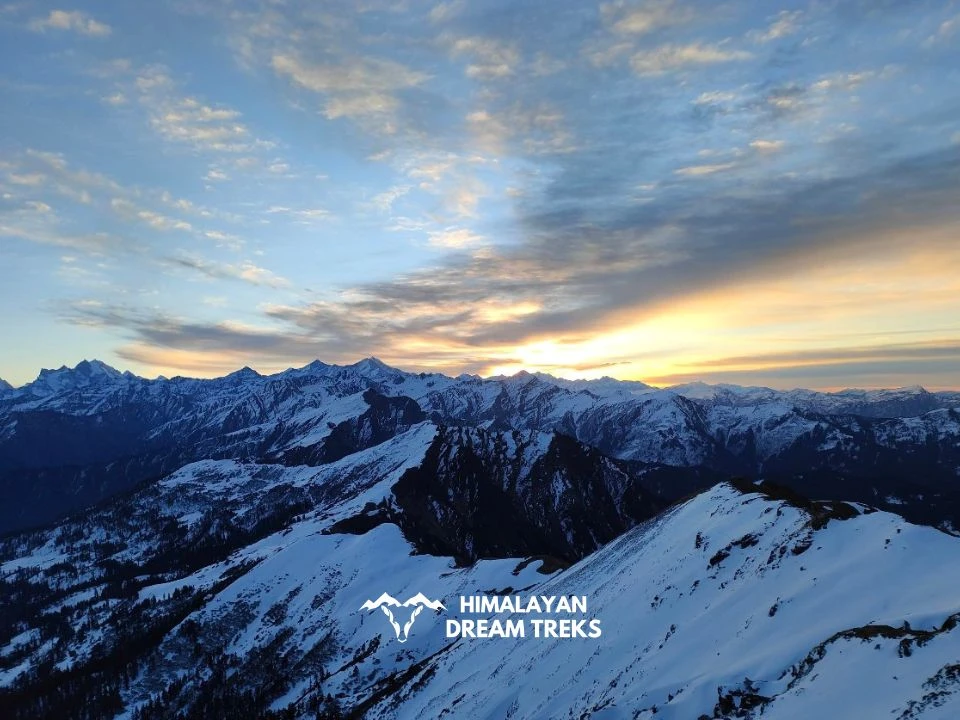
- Clear Mountain Views: After the monsoon, the skies are crystal-clear, offering sharp views of peaks like Swargarohini and Black Peak.
- Golden Forests: Pine, oak, and maple trees take on golden-orange hues, creating magical landscapes.
- Perfect Trekking Climate: Daytime temperatures hover around 10°C to 15°C, while nights dip to 0°C or below.
- Less Crowded: Compared to summer, autumn treks are quieter.
Things to Keep in Mind
- Nights are colder than summer, especially in November.
- By late November, fresh snowfall may begin, so warm gear is necessary.
Verdict: Best for trekkers who want crystal-clear Himalayan views and peaceful trails.
Winter (December to March) – The Snowy Wonderland
Why Visit in Winter?
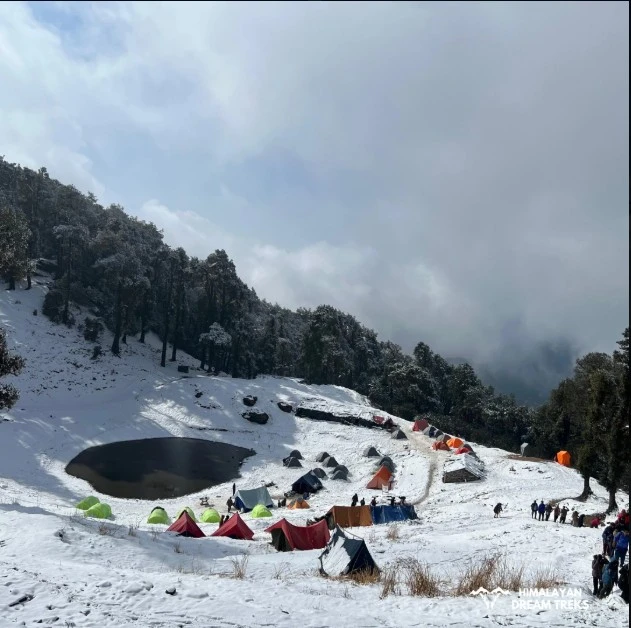
- Snow Trekking Experience: From December, Har Ki Dun transforms into a snowy paradise, with thick snow blankets covering the meadows and trails.
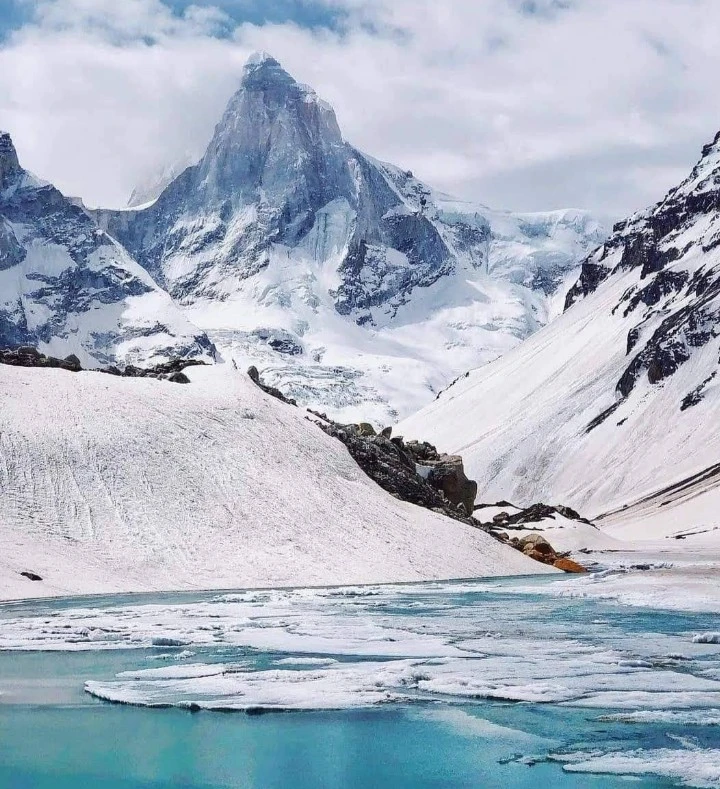
- Frozen Rivers and Valleys: Supin river partially freezes, and the valley looks magical under a white carpet.
- Adventure Factor: Winter treks here feel like a true Himalayan expedition.
Weather Conditions
- Daytime: 0°C to 5°C
- Night: Drops as low as -10°C
- Snow depth can range from 1 to 3 feet, depending on the month.
Things to Keep in Mind
- Requires good winter gear (snow boots, thermals, down jackets).
- Trails can be tougher due to snow.
- Not recommended for absolute beginners unless guided by professionals.
Verdict: Perfect for adventure seekers who want a challenging snow trek.
Monsoon (July to August) – Not Recommended
Why Avoid Monsoon?
- Heavy Rains: Uttarakhand receives high rainfall, making trails slippery and dangerous.
- Landslide Risk: Roads to Sankri (base camp) often face blockages.
- Poor Visibility: Clouds and fog reduce visibility of mountains.
- Leeches and Insects: The wet environment attracts leeches in lower forests.
Verdict: Monsoon is the worst time for Har Ki Dun trek and should be avoided for safety reasons.
Summary – Best Time to Visit Har Ki Dun Trek
- For Flowers & Greenery: April to June (Spring & Early Summer)
- For Clear Mountain Views: September to November (Autumn)
- For Snow Trekking: December to March (Winter Adventure)
- Avoid: July to August (Monsoon)
Final Recommendation
The best overall time to visit Har Ki Dun Trek is April to June and September to November.
- If you are a beginner, summer (April–June) is perfect due to pleasant weather and easier trails.
- If you are a photography enthusiast, autumn (Sep–Nov) offers the clearest skies and golden landscapes.
- If you are an adventure lover, winter (Dec–Mar) gives the thrill of a snow trek.
No matter which season you choose, Har Ki Dun will reward you with breathtaking Himalayan views, cultural encounters in ancient villages, and the serenity of one of India’s most beautiful valleys.








Sign in to leave a comment.