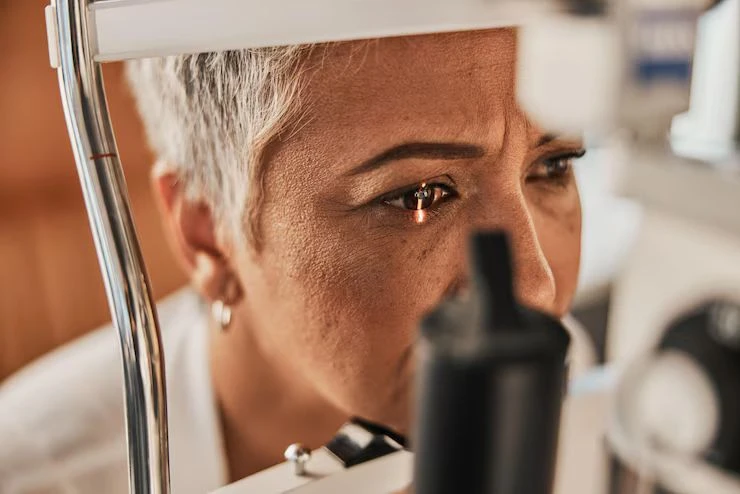
Retinal detachment is a serious eye condition that demands immediate attention to prevent permanent vision loss. In Clearwater, Florida, residents have access to some of the best retina specialists and advanced treatment options available.
This article explores the causes, symptoms, and best treatment options for retinal detachment in Clearwater, highlighting top medical facilities, expert retina specialists, and cutting-edge procedures to restore and preserve vision.
Understanding Retinal Detachment
The retina is a thin layer of tissue at the back of the eye that converts light into signals for the brain, enabling vision. When the retina detaches from its underlying supportive tissue, it can lead to partial or complete vision loss if not treated promptly. Retinal detachment can occur due to several reasons, including:
- Tears or Holes: Often caused by aging, trauma, or conditions like high myopia (nearsightedness).
- Tractional Detachment: When scar tissue pulls the retina away, common in diabetic retinopathy.
- Exudative Detachment: Fluid buildup behind the retina, often due to inflammatory disorders or conditions like Coats’ disease.
Symptoms of retinal detachment include sudden flashes of light, floaters, a shadow or curtain over part of the visual field, or sudden vision loss. If you experience these symptoms in Clearwater, seeking immediate care from a retina specialist is critical.
Why Clearwater is a Hub for Retinal Care
Clearwater is home to renowned retina specialists and state-of-the-art eye care facilities, making it an excellent location for treating retinal detachment in Clearwater. The city’s proximity to Tampa and St. Petersburg also provides access to a network of top-tier medical professionals and advanced diagnostic technologies. Facilities like Retina Vitreous Associates of Florida and St. Luke’s at The Villages offer comprehensive care, combining expertise, innovative therapies, and patient-centric approaches.
Treatment Options for Retinal Detachment in Clearwater
The treatment for retinal detachment depends on the type, severity, and location of the detachment. In Clearwater, patients have access to both non-surgical and surgical interventions performed by fellowship-trained vitreoretinal surgeons. Below are the primary treatment options available:
1. Laser Surgery (Photocoagulation)
Best for: Small retinal tears or early-stage detachments.
Laser photocoagulation is a non-invasive procedure used to seal retinal tears before they progress to full detachment. During the procedure, a retina specialist uses a laser to create small, controlled burns around the tear, forming scar tissue that seals the retina to the underlying tissue. This prevents fluid from leaking underneath, which could worsen the detachment.
In Clearwater, facilities like Retina Group of Florida and Retina Vitreous Associates offer laser photocoagulation with advanced diagnostic tools to ensure precision. The procedure is typically outpatient, painless, and performed under local anesthesia, with minimal recovery time. Patients are advised to rest post-procedure to allow scar tissue to form effectively.
2. Cryotherapy (Freezing)
Best for: Small retinal tears or detachments not suitable for laser treatment.
Cryotherapy uses a freezing probe to create scar tissue that seals retinal tears or reattaches small detached areas. The cold energy freezes the tissue around the tear, promoting adhesion to the eye’s underlying layers. This procedure is often used when laser photocoagulation is not feasible, such as in cases with poor visibility due to cataracts.
Clearwater’s retina specialists, such as those at St. Luke’s at The Villages, perform cryotherapy in outpatient settings. The procedure may cause temporary discomfort, but topical steroids are often prescribed to reduce inflammation. Patients can expect a quick recovery, with vision stabilization occurring over weeks.
3. Pneumatic Retinopexy
Best for: Small, superior retinal detachments.
Pneumatic retinopexy is a less invasive alternative to surgery for certain retinal detachments. A retina specialist injects a gas bubble into the vitreous cavity of the eye, which presses the retina back into place. Laser photocoagulation or cryotherapy is then used to seal the tear permanently. The gas bubble dissolves naturally over days to weeks.
This procedure is offered by specialists like Dr. Remington Horesh at St. Luke’s at The Villages in Clearwater. It requires patients to maintain specific head positions to keep the bubble in place, and air travel is restricted until the bubble dissolves. Pneumatic retinopexy is effective for select cases, offering faster recovery compared to surgical options.
4. Scleral Buckle
Best for: Complex or larger retinal detachments.
A scleral buckle involves placing a silicone band around the eye to gently push the sclera (the white of the eye) toward the retina, closing the detachment. The procedure is often combined with laser photocoagulation or cryotherapy to seal tears. The buckle remains in place permanently but does not affect the eye’s appearance.
Retina Vitreous Associates of Florida in Clearwater, led by specialists like Dr. David Eichenbaum, performs scleral buckle surgery with high success rates. Performed under local or general anesthesia, this outpatient procedure allows patients to return home the same day, though recovery may take several weeks.
5. Vitrectomy
Best for: Severe or complex retinal detachments.
Vitrectomy is a surgical procedure where the vitreous gel, which may be pulling on the retina, is removed and replaced with a gas or silicone oil bubble to hold the retina in place. Laser or cryotherapy is used to seal any tears. The bubble eventually dissolves (for gas) or is surgically removed (for oil).
Clearwater’s retina specialists, such as Dr. Jonathan Mines at Retina Group of Florida, are highly experienced in vitrectomy. This procedure is performed in a hospital or surgical center under anesthesia, with recovery times varying based on the complexity of the detachment. Silicone oil, unlike gas, allows for air travel, making it a preferred option for some patients.
Top Retina Specialists and Clinics in Clearwater
Clearwater boasts a wealth of expertise in treating retinal detachment in Clearwater. Below are some of the top clinics and specialists, based on their reputation, patient reviews, and advanced treatment offerings:
1. Retina Vitreous Associates of Florida
- Location: 579 S Duncan Ave, Clearwater, FL 33756
- Specialists: Dr. David Eichenbaum, MD, FASRS, Dr. Steven Cohen, MD, FACS, Dr. Ashley M. Crane, MD
- Highlights: This clinic offers comprehensive retina care, including advanced diagnostics, anti-VEGF injections, laser therapy, and surgical interventions like vitrectomy and scleral buckle. With a patient-centric approach, the team provides personalized treatment plans and cutting-edge therapies. Patients praise the thoroughness and compassion of specialists like Dr. Crane.
2. St. Luke’s at The Villages
- Location: Serving Clearwater and nearby areas
- Specialist: Dr. Remington Horesh, DO
- Highlights: Dr. Horesh, a fellowship-trained vitreoretinal surgeon, specializes in retinal detachment and other vitreoretinal disorders. The clinic is equipped with state-of-the-art technology and participates in clinical trials for innovative treatments. Patients rate Dr. Horesh highly for unrushed appointments and expertise.
3. Retina Group of Florida
- Location: Clearwater and surrounding areas
- Specialists: Dr. Jonathan Mines, Dr. Matthew Donovan, Dr. Jie Sun
- Highlights: Known for its commitment to advanced retinal care, this clinic treats a range of conditions, including retinal detachment, with personalized attention. Dr. Donovan and Dr. Sun bring extensive experience, and the clinic offers same-day appointments for urgent cases.
4. The Eye Clinic of Florida
- Location: Serving Clearwater and nearby areas
- Specialist: Dr. Ahmad Mahootchi
- Highlights: Dr. Mahootchi, a board-certified ophthalmologist, provides world-class care at affordable prices. The clinic is known for its patient-focused approach and use of proven technologies for retinal detachment treatment.
Choosing the Right Treatment and Specialist
Selecting the best treatment for retinal detachment in Clearwater depends on several factors, including the detachment’s size, location, and underlying cause, as well as the patient’s overall health. Here are some tips for choosing the right specialist and treatment:
- Seek Fellowship-Trained Specialists: Look for board-certified ophthalmologists with vitreoretinal fellowship training, such as Dr. Horesh or Dr. Eichenbaum, who have specialized expertise in retinal disorders.
- Check Patient Reviews: Platforms like Healthgrades and WebMD provide patient ratings and feedback, with Clearwater specialists averaging 4.3–5.0 stars.
- Consider Accessibility: Clinics like Retina Vitreous Associates offer convenient locations and same-day appointments for urgent cases.
- Ask About Technology: Ensure the clinic uses advanced diagnostics like optical coherence tomography (OCT) and fundus photography for accurate assessments.
- Evaluate Treatment Options: Discuss all possible treatments with your specialist, as some cases may benefit from less invasive options like pneumatic retinopexy, while others require surgery.
Recovery and Aftercare
Recovery from retinal detachment treatment varies by procedure. Non-invasive treatments like laser photocoagulation and cryotherapy require minimal downtime, with patients resuming normal activities within days. Surgical options like scleral buckle or vitrectomy may require weeks to months for full vision restoration. During recovery, patients should:
- Avoid strenuous activities and heavy lifting.
- Follow head-positioning instructions for pneumatic retinopexy.
- Attend follow-up appointments to monitor healing.
- Report any new symptoms, such as increased floaters or vision changes, immediately.
Clearwater’s retina specialists provide detailed aftercare instructions and support, ensuring patients achieve optimal outcomes.
Conclusion
For those facing retinal detachment in Clearwater, the city offers access to world-class retina specialists and advanced treatment options. From laser photocoagulation and cryotherapy to surgical interventions like vitrectomy and scleral buckle, Clearwater’s medical community is equipped to address this urgent condition with precision and care. Facilities like Retina Vitreous Associates of Florida stand out for their expertise, innovative therapies, and patient-focused approach. If you suspect retinal detachment, act quickly by contacting a Clearwater retina specialist to protect your vision.













Sign in to leave a comment.