

Diabetic Macular Edema (DME) is a leading cause of vision loss among people with diabetes, yet many individuals remain unaware of the risks until symptoms appear. A diabetic macular edema specialist in Tampa often emphasizes that understanding risk factors early can help prevent severe complications and preserve long-term vision.
In this blog, we break down the key risk factors, explain how they impact eye health, and provide actionable insights to reduce your risk.
What Is Diabetic Macular Edema?
Diabetic Macular Edema occurs when fluid builds up in the macula—the part of the retina responsible for sharp central vision. This swelling is caused by damaged blood vessels leaking fluid into the retina, a complication of diabetic retinopathy.
If left untreated, DME can significantly affect daily activities such as reading, driving, and recognizing faces.
Major Risk Factors for Diabetic Macular Edema
Understanding the root causes can help you take preventive steps. Below are the most common risk factors:
1. Poor Blood Sugar Control
Consistently high blood sugar levels damage retinal blood vessels over time.
- Increases leakage in the retina
- Accelerates progression of diabetic eye disease
- Raises risk of vision impairment
2. Duration of Diabetes
The longer you have diabetes, the higher your risk of developing DME.
- Risk increases after 10+ years
- Both Type 1 and Type 2 diabetes are affected
- Early monitoring is crucial
3. High Blood Pressure (Hypertension)
Hypertension adds stress to already weakened blood vessels.
- Causes additional vessel damage
- Increases fluid leakage in the eye
- Worsens existing diabetic retinopathy
4. High Cholesterol Levels
Elevated lipid levels contribute to retinal damage.
- Leads to fatty deposits in blood vessels
- Increases retinal swelling
- Reduces oxygen supply to eye tissues
5. Kidney Disease (Diabetic Nephropathy)
Kidney health is closely linked to eye health in diabetes patients.
- Indicates widespread vascular damage
- Signals higher risk for DME
- Requires integrated care approach
6. Pregnancy
Pregnancy can temporarily worsen diabetic eye conditions.
- Hormonal changes affect blood vessels
- Increased risk of fluid leakage
- Requires frequent eye check-ups
7. Smoking
Smoking significantly worsens diabetic complications.
- Reduces blood flow to the retina
- Increases oxidative stress
- Delays healing and treatment response
Early Warning Signs You Shouldn’t Ignore
Recognizing symptoms early can help prevent permanent vision loss.
- Blurry or distorted vision
- Dark or empty spots in vision
- Difficulty reading or focusing
- Colors appearing washed out
If you notice any of these signs, consult an eye specialist immediately.
How to Reduce Your Risk?
Prevention and early intervention are key. Here are expert-backed strategies:
- Maintain stable blood sugar levels
- Monitor blood pressure regularly
- Keep cholesterol under control
- Schedule routine eye exams
- Follow a healthy diet and exercise plan
- Quit smoking and limit alcohol intake
These steps not only protect your vision but also improve overall health.
When to See a Specialist?
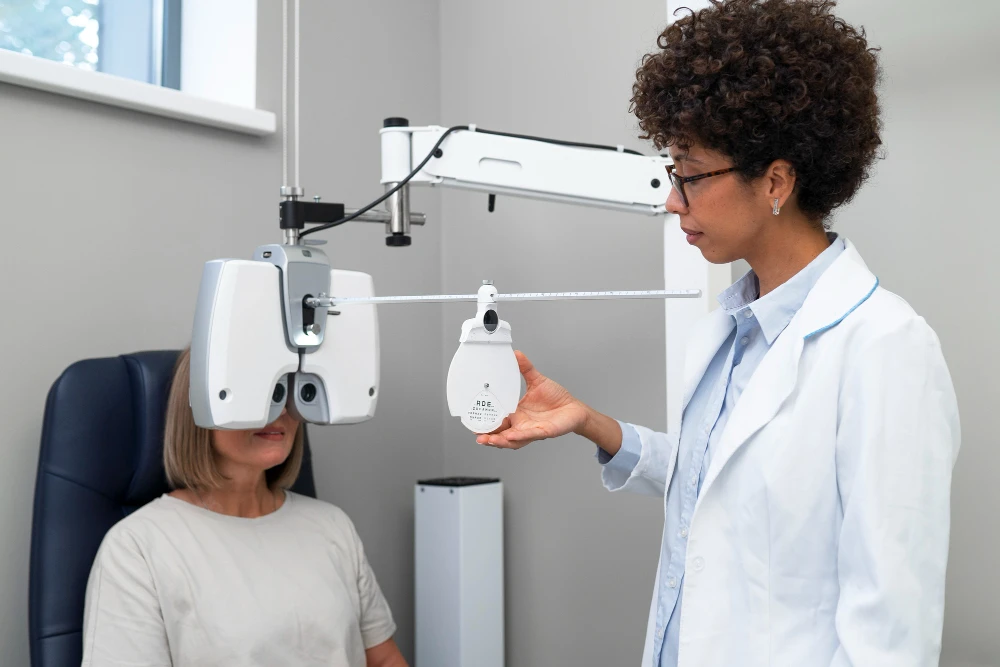
Routine eye exams are essential, especially if you have diabetes. A specialist can detect early changes before symptoms appear and recommend treatments such as:
- Anti-VEGF injections
- Laser therapy
- Steroid treatments
Early diagnosis significantly improves treatment outcomes and helps preserve vision.
Wrapping Up
Diabetic Macular Edema is a serious but manageable condition when detected early. By understanding the risk factors—such as poor blood sugar control, hypertension, and long-term diabetes—you can take proactive steps to protect your eyesight.
A proactive approach, regular eye exams, and guidance from a qualified specialist can make a significant difference. Don’t wait for symptoms to appear—prioritize your eye health today to ensure clear vision for the future.













Sign in to leave a comment.