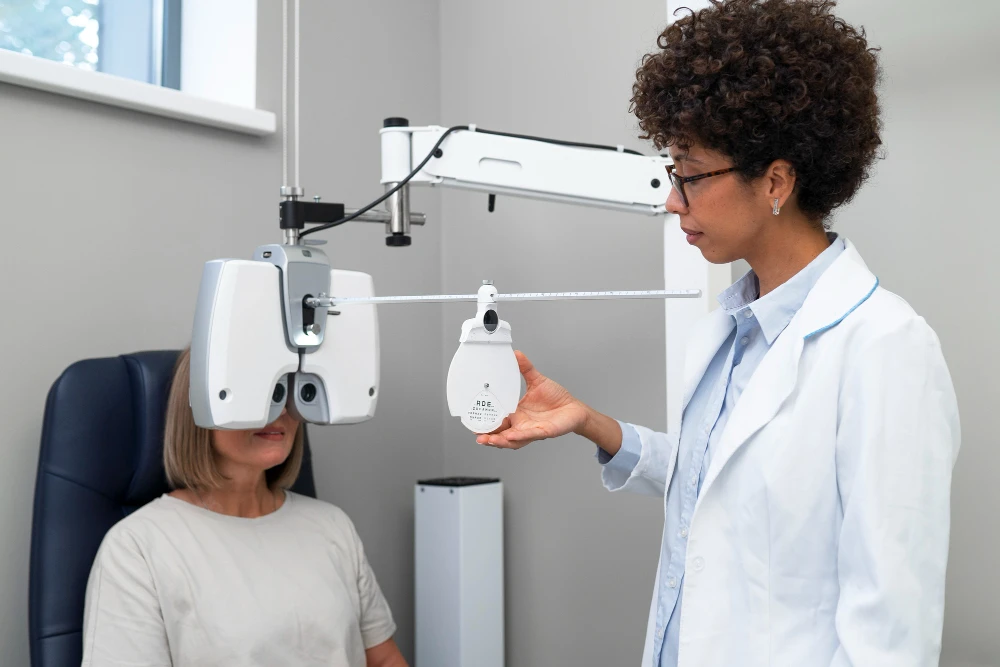

A macular hole can significantly affect central vision, making everyday tasks like reading, driving, and recognizing faces difficult. Fortunately, advances in retinal treatment have improved outcomes for many patients. Macular hole surgeons today use specialized surgical techniques that offer a high success rate for closing the hole and restoring useful vision.
While results vary depending on several factors, many patients experience noticeable improvement after surgery. Understanding how the procedure works and what influences visual recovery can help set realistic expectations.
What Is a Macular Hole?
A macular hole is a small break in the macula, the central part of the retina responsible for sharp, detailed vision. It usually develops due to age-related changes in the vitreous, the gel-like substance inside the eye that can pull away from the retina.
Common symptoms include:
- Blurred or distorted central vision
- Straight lines appearing wavy
- Difficulty reading small text
- A dark or empty spot in the center of vision
Early diagnosis by a retina specialist is crucial because treatment outcomes are often better when surgery is performed promptly.
How Macular Hole Surgery Works?
The standard treatment for a macular hole is vitrectomy surgery, a microsurgical procedure performed by a retinal surgeon.
During the procedure, the surgeon:
- Removes the vitreous gel from the eye
- Relieves traction pulling on the retina
- Peels a thin internal membrane from the macula
- Places a small gas bubble inside the eye to help seal the hole
The gas bubble acts like a temporary bandage that presses against the macula while it heals. Patients are usually asked to maintain a face-down position for several days after surgery to help the bubble stay in place.
Can Vision Actually Be Restored?
Yes, vision can often improve after macular hole surgery, especially when the condition is treated early. However, the degree of recovery varies from person to person.
Key outcomes many patients experience include:
- Closure of the macular hole in most cases
- Gradual improvement in central vision
- Reduced distortion of straight lines
- Better ability to read and perform detailed tasks
It is important to understand that vision typically improves gradually over several weeks or months as the retina heals.
Factors That Influence Vision Recovery
Several factors determine how much vision returns after surgery.
1. Size of the Macular Hole
Smaller holes usually have a higher success rate and better visual recovery.
2. Duration of the Condition
If the hole has been present for a long time, retinal cells may already be damaged, which can limit vision improvement.
3. Patient Age and Eye Health
Overall retinal health, presence of other eye diseases, and patient age can affect healing.
4. Surgical Expertise
Experienced macular hole surgeons and advanced surgical techniques play an important role in achieving successful outcomes.
5. Post-Surgery Positioning
Maintaining the recommended face-down positioning helps the gas bubble seal the hole effectively.
What to Expect During Recovery?
Recovery from macular hole surgery requires patience. Vision usually improves slowly as the eye heals and the gas bubble gradually dissolves.
Typical recovery milestones include:
- First few days: Blurred vision due to the gas bubble
- First few weeks: Gradual reduction in distortion
- Several months: Continued improvement in visual clarity
Doctors often use imaging tests like Optical Coherence Tomography (OCT) to monitor healing and confirm that the macular hole has closed.
Benefits of Early Treatment
Seeking treatment early can significantly improve the chances of restoring useful vision.
Benefits of timely surgery include:
- Higher probability of hole closure
- Better visual recovery outcomes
- Lower risk of permanent retinal damage
- Faster return to normal visual function
Patients who notice sudden central vision changes should consult an ophthalmologist or retina specialist as soon as possible.
When to Consult a Retina Specialist?
If you experience symptoms such as distorted vision or a central blind spot, scheduling an eye examination is essential. A comprehensive retinal evaluation can confirm whether a macular hole is present and determine the best treatment approach.
Diagnostic tests commonly used include:
- Optical Coherence Tomography (OCT)
- Dilated retinal examination
- Visual acuity testing
Early detection allows surgeons to plan treatment before the condition worsens.
Wrapping Up
Macular hole surgery has become a highly effective procedure for restoring vision and improving quality of life. While not every patient regains perfect eyesight, many experience meaningful improvements in central vision after successful treatment. With early diagnosis, modern surgical techniques, and the expertise of skilled macular hole surgeons, patients have a strong chance of recovering functional vision and returning to everyday activities with greater clarity.
If you notice sudden changes in your central vision, seeking prompt evaluation from a retina specialist can make a significant difference in treatment outcomes and long-term eye health.














Sign in to leave a comment.