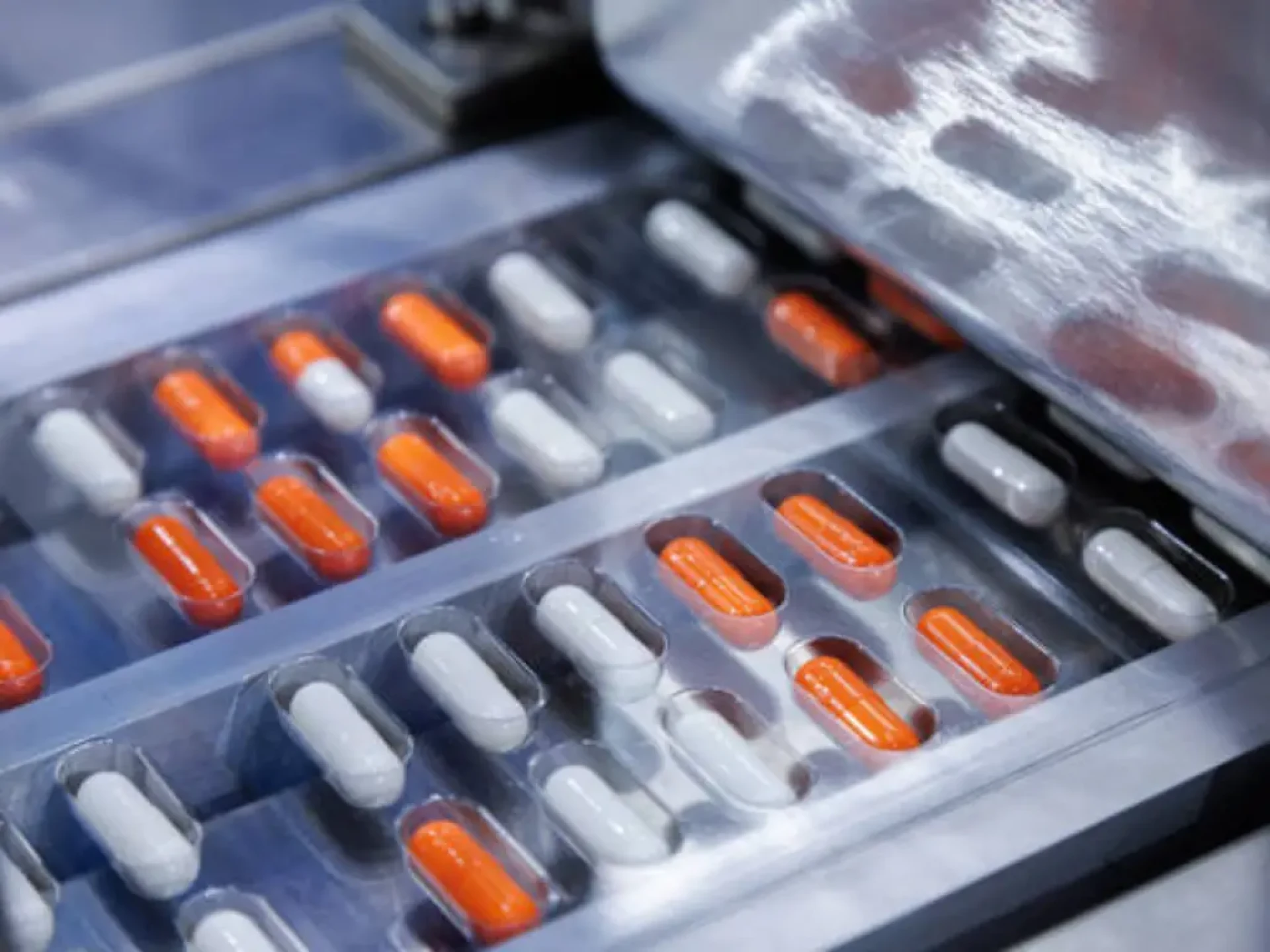

Pharmaceutical packaging is an essential aspect of drug manufacturing, ensuring that medications remain effective, safe, and easy to use. Traditionally, bottles have been the primary choice for packaging oral solid medications, but in recent years, blister packaging has gained prominence as a more efficient alternative. While both options have their merits, blister packaging provides notable advantages in terms of product protection, patient adherence, and cost efficiency. This article explores why blister packaging is often the superior choice, focusing on aspects such as quality, safety, compliance, and cost-effectiveness.
Product Protection and Shelf Life
One of the most critical roles of pharmaceutical packaging is to protect medications from environmental factors that can compromise their stability. Moisture, oxygen, and light exposure can degrade active ingredients, making medications less effective over time. Blister packaging utilizes high-barrier materials such as PVC, PVDC, and aluminum, which can be tailored to provide optimal protection for specific drugs.
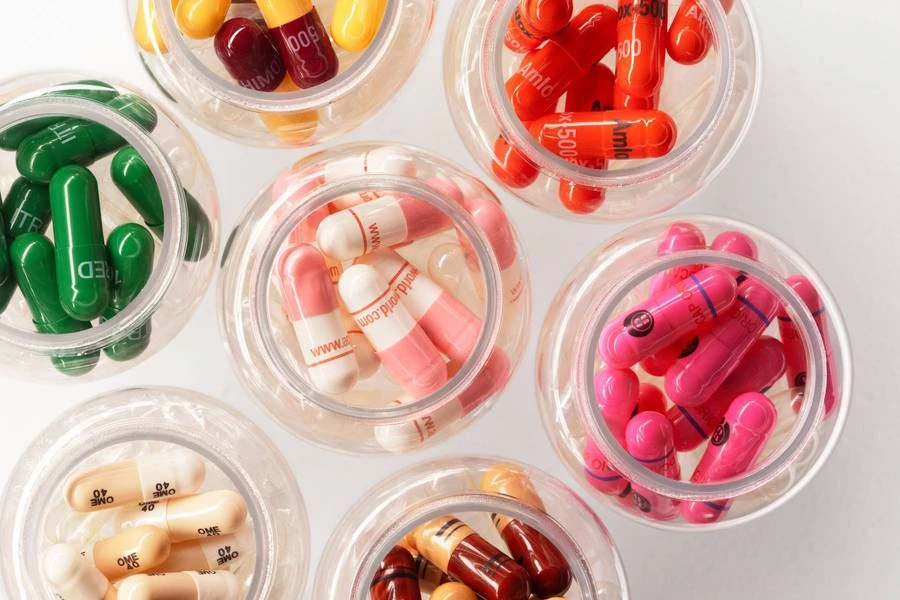
In contrast, HDPE bottles expose all contents to external conditions as soon as they are opened. This prolonged exposure increases the risk of degradation, particularly for moisture-sensitive drugs. Blister packaging, however, keeps each dose individually sealed until consumption, significantly reducing the risk of environmental damage and preserving the medication’s potency.
Certain medications are also highly sensitive to light, and extended exposure can alter their chemical composition. While bottles can be designed with opaque materials, they do not offer the same level of dose-specific light protection as aluminum-based blister packs, ensuring that each pill remains unaffected by external conditions.
Enhanced Patient Compliance and Safety
Adhering to a prescribed medication schedule is crucial for effective treatment. However, patients often forget doses, take extra pills by mistake, or struggle with complicated medication regimens. Blister packaging simplifies medication management by offering unit-dose dispensing, where each tablet or capsule is sealed in an individual cavity.
Many blister packs include printed days of the week or numbered doses, allowing patients to track their medication intake effortlessly. This feature is especially beneficial for elderly individuals and those on multiple medications. In contrast, bottles require patients to manually count and track their doses, increasing the likelihood of missed or accidental double dosing.
Child-Resistant and Senior-Friendly Features
Medication safety is a key concern, particularly when it comes to preventing accidental ingestion by children. Studies show that blister packaging is 65% more effective than child-resistant bottles at preventing unauthorized access. The unit-dose design makes it significantly harder for young children to ingest large quantities of medication.
Additionally, blister packaging can be customized with senior-friendly features such as peel-push mechanisms. This design allows older adults to access their medication more easily than traditional child-resistant bottle caps, which can be difficult to open for those with arthritis or limited dexterity. By offering a balance between child resistance and ease of use for seniors, blister packs enhance overall medication safety.
Enhanced Labelling and Branding
Clear and accurate labeling is essential for medication safety and brand recognition. Blister packaging allows manufacturers to print detailed product information directly on the packaging, including dosage instructions, expiration dates, and brand logos. This enhances product identification and reduces the risk of medication mix-ups.
Unlike bottles, which rely on external labeling that can fade, tear, or become detached, blister packs ensure that critical information remains accessible throughout the medication’s use. This added convenience improves patient adherence and minimizes the risk of confusion.
Enhanced Security and Counterfeit Prevention
The pharmaceutical industry faces ongoing challenges with counterfeit drugs and tampering. Blister packaging offers superior protection against these threats by providing a tamper-evident design. Each pill is individually sealed, making it easy to detect if a dose has been compromised.
Bottles, on the other hand, rely on external tamper-evident seals, which can be removed or replaced without clear signs of interference. With blister packaging, any attempt to access a dose prematurely leaves visible damage, offering a higher level of security against counterfeit products and ensuring patient safety.
Cost Benefits
Although the initial investment in blister packaging equipment can be higher than bottle-filling machinery, the long-term cost benefits outweigh the upfront expenses. Blister packaging materials are generally more affordable per unit, especially when produced at scale.
Logistically, blister packaging is a more efficient option. It is compact and lightweight, reducing transportation and storage costs. Unlike bulky HDPE bottles, blister packs allow for more efficient use of shipping space, leading to lower fuel consumption and cost savings.
Retailers also benefit from blister packaging's compact design, which takes up less shelf space than bottles. This allows pharmacies and stores to display a wider variety of products in the same area, improving inventory management and sales potential.
Lower Healthcare Costs
Blister packaging plays a significant role in reducing overall healthcare costs. By improving patient adherence, it helps ensure that medications are taken correctly, leading to better treatment outcomes. When patients follow their prescriptions as intended, the risk of complications, hospital readmissions, and additional medical interventions decreases.
Furthermore, blister packaging’s tamper-evident features help prevent the distribution of counterfeit medications, reducing the risks associated with fraudulent drugs. This protects patients, ensures medication quality, and lowers liability concerns for pharmaceutical manufacturers.
Conclusion
When comparing pharmaceutical packaging options, blister packaging emerges as a clear winner over traditional bottles. It provides superior protection against environmental degradation, enhances patient adherence, and offers advanced safety features.
Blister packaging also reduces logistics costs, optimizes retail space, and improves security measures against tampering and counterfeiting. As the pharmaceutical industry continues to prioritize efficiency, safety, and cost reduction, blister packaging is proving to be more than just a packaging choice—it is a strategic decision that benefits patients, healthcare providers, and manufacturers alike.










Sign in to leave a comment.