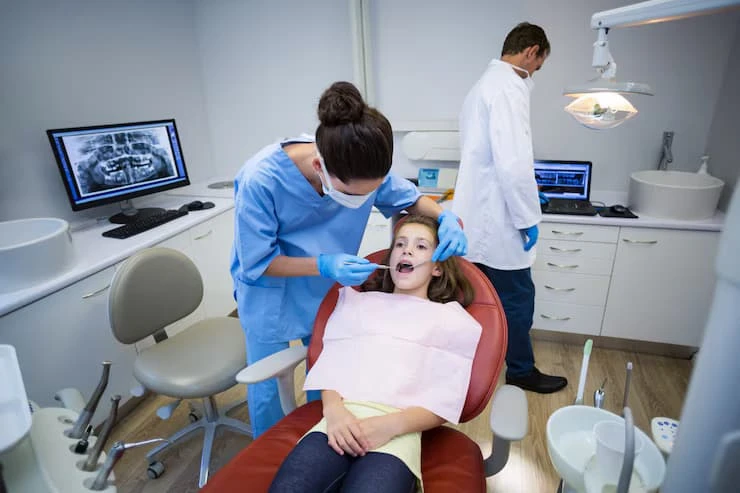

When it comes to achieving a beautiful smile, the journey often begins with a visit to an orthodontist in Woodstock. With the advancements in dental technology, patients now have a plethora of options to straighten their teeth and enhance their oral health.
In this article, we will explore the various types of orthodontic treatments available in Woodstock, focusing on braces and Invisalign, helping you make an informed decision for your orthodontic needs.
Understanding Orthodontic Treatments
Orthodontics is a specialized field of dentistry that focuses on diagnosing, preventing, and treating dental and facial irregularities. The primary goal of orthodontic treatment is to align the teeth and jaws correctly to improve both function and aesthetics. An orthodontist in Woodstock is well-versed in various treatment options, tailored to meet individual patient requirements.
The two most popular methods of orthodontic treatment are traditional braces and clear aligners, such as Invisalign. Each option has its unique advantages, disadvantages, and suitability based on the patient's dental condition and lifestyle.
Traditional Braces: A Time-Tested Solution
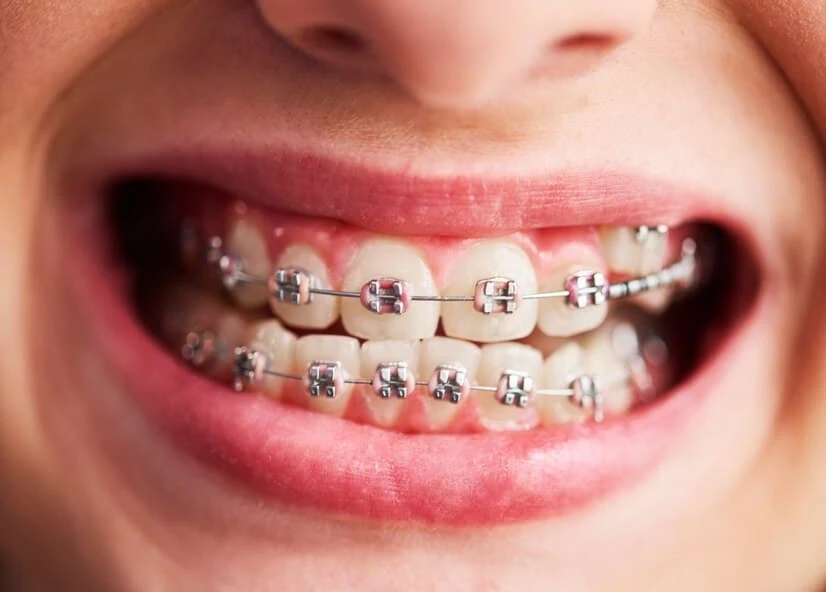
Traditional braces have stood the test of time as an effective method for correcting a wide range of orthodontic issues. They consist of metal brackets bonded to the teeth, connected by a wire that applies pressure to shift the teeth into the desired position gradually. While many associate braces with a teenage rite of passage, they are suitable for patients of all ages, including adults seeking to improve their smiles.
One of the significant advantages of traditional braces is their versatility. They can address various dental issues, including crowded teeth, gaps, overbites, underbites, and crossbites. Furthermore, the treatment process is generally well-established, with predictable outcomes and a clear timeline. Patients can expect to wear braces for a duration that typically ranges from 18 months to three years, depending on the complexity of their case.
However, traditional braces come with certain downsides. The most notable is their aesthetic appeal; metal braces are highly visible, which can be a concern for many adults. Additionally, maintaining oral hygiene can be more challenging, as food particles can get trapped in the brackets and wires. Regular visits to the orthodontist are necessary for adjustments and monitoring progress, which can be inconvenient for some patients.
Invisalign: The Clear Alternative
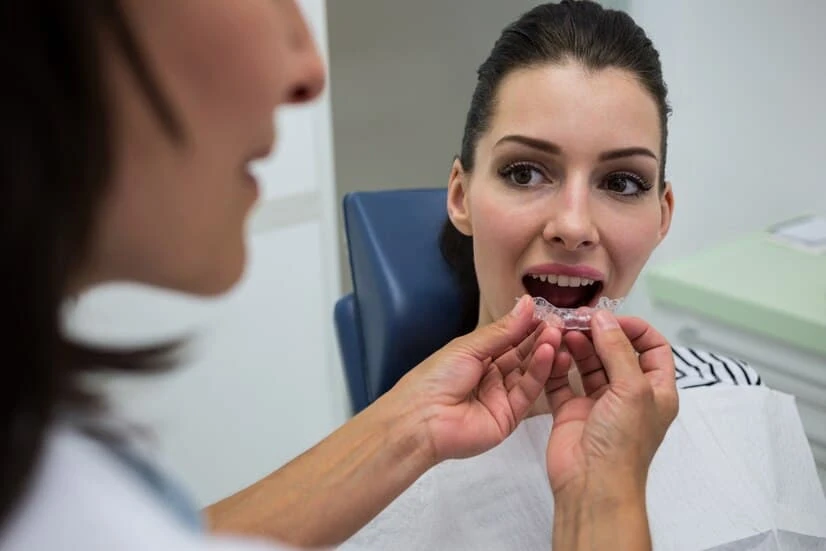
In recent years, Invisalign has emerged as a popular alternative to traditional braces, particularly among adults and teens seeking a more discreet orthodontic solution. Invisalign utilizes a series of clear, removable aligners custom-made for each patient. These aligners are designed to gradually move the teeth into the desired position, offering a more comfortable and aesthetically pleasing experience.
One of the most significant benefits of Invisalign is its invisibility. The clear aligners are hardly noticeable, allowing patients to undergo orthodontic treatment without drawing attention to their teeth. This feature has made Invisalign particularly appealing to adults who may feel self-conscious about wearing traditional braces in professional or social settings.
In addition to their aesthetic advantages, Invisalign aligners are removable, providing patients with the flexibility to eat, drink, and maintain oral hygiene without restrictions. Patients can simply pop out the aligners when it's time to brush and floss, ensuring that their oral health remains a priority throughout the treatment process. Moreover, the absence of wires and brackets means that patients often experience less discomfort during treatment compared to traditional braces.
Despite these benefits, Invisalign may not be suitable for everyone. The effectiveness of the treatment depends on the patient's commitment to wearing the aligners for at least 20 to 22 hours a day. Patients must also be disciplined about switching to the next set of aligners as prescribed by their orthodontist in Woodstock. In cases of severe dental misalignment, traditional braces may still be the more effective option.
Making the Right Choice for Your Smile
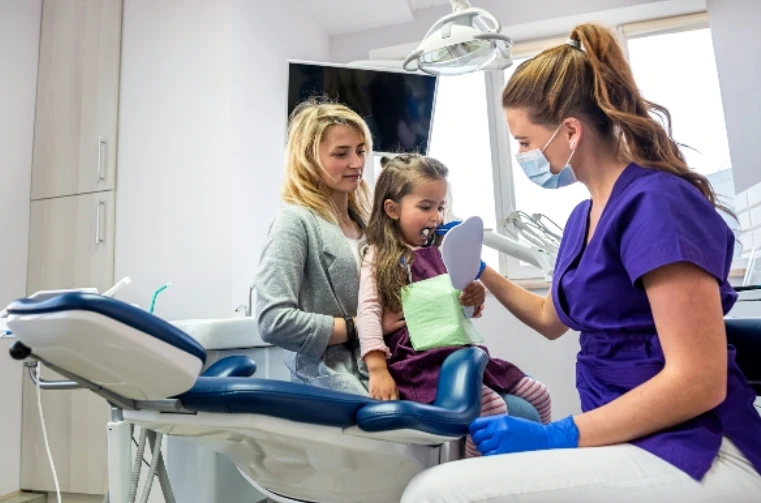
When considering orthodontic treatment, it’s essential to consult with a qualified orthodontist in Woodstock who can evaluate your specific needs and recommend the best course of action. During your initial consultation, the orthodontist will perform a thorough examination, which may include X-rays and digital imaging, to assess your dental alignment and develop a personalized treatment plan.
Your lifestyle, aesthetic preferences, and specific dental issues will all play a role in the decision-making process. If you value discretion and are dealing with mild to moderate alignment issues, Invisalign may be the ideal choice for you. Conversely, if you have complex orthodontic needs or prefer a more traditional approach, braces may be the better option.
Moreover, it's important to consider the financial aspect of orthodontic treatments. While both braces and Invisalign can require a significant investment, many orthodontists offer flexible payment plans and financing options to help make treatment more accessible. Discussing your budget with your orthodontist can lead to a solution that aligns with your financial situation while still ensuring you receive the care you need.
The Importance of Post-Treatment Care
Regardless of the orthodontic treatment you choose, post-treatment care is crucial for maintaining the results achieved. After completing your braces or Invisalign treatment, your orthodontist will likely recommend the use of a retainer to prevent your teeth from shifting back to their original positions. Retainers can be fixed or removable, and following your orthodontist's instructions regarding their use is essential for long-term success.
Maintaining regular dental check-ups after orthodontic treatment is also vital. These visits allow your dentist to monitor your oral health and ensure that your gums and teeth remain in optimal condition. Additionally, practicing good oral hygiene, including brushing and flossing daily, will help preserve your beautiful new smile for years to come.
In summary, both braces and Invisalign offer effective solutions for achieving a well-aligned smile, each catering to different patient preferences and needs. By consulting with an experienced orthodontist in Woodstock, you can embark on a transformative journey that not only enhances your smile but also boosts your confidence and overall oral health. The choice between braces and Invisalign ultimately lies in your hands, but with the right information and professional guidance, you can make a decision that leads to a lifetime of beautiful smiles.










Sign in to leave a comment.